





AMD
Latest News

January 28th 2024
President and CEO of Ashvattha Therapeutics talks about the company's unique nanomedicine technology
David Hutton of Ophthalmology Times talks with Jeffrey Cleland, PhD, President and CEO of Ashvattha Therapeutics, about the company's D-4517.2, a unique nanomedicine technology for the treatment of wet AMD and DME.
Advertisement
Video Series




CME Content













Advertisement

Principle findings showed that aflibercept 8 mg demonstrated similar improvements in BCVA and CST when compared to the 2 mg dose of aflibercept.

Company presenting data from the Phase II AAVIATE trial of suprachoroidal ABBV-RGX-314 for the treatment of wet age-related macular degeneration January 16 at the Hawaiian Eye and Retina 2024 Meeting.

Because acetylcholinesterase inhibitors have anti-inflammatory effects, authors of the study wanted to determine if these drugs reduce the risk of AMD in patients with Alzheimer’s disease.

The data indicated that patients with Alzheimer’s disease who were treated with acetylcholinesterase inhibitors had a slightly lower hazard of developing AMD compared with untreated patients.

The European Union approval applies to aflibercept 8 mg for treatment of nAMD and DME.

In a letter to shareholders, Ricciardi provided updates on Cognition’s 2024 pipeline and expected advances for several diseases.

The company announced more advancements of its RASP modulator platform, including plans for ADX-629 and ADX-246.

The company announced more advancements of its RASP modulator platform, including plans for ADX-629 and ADX-246.

This study compared AVT06 with aflibercept (Eylea) in patients with neovascular AMD.

If granted, this device would be assigned an official classification as a Class II device with special controls.

This study compared AVT06 with aflibercept (Eylea) in patients with neovascular AMD.

According to a news release, the services will be provided for RetinalGeniX Technologies’ Institutional Review Board to conduct a study to personalize medical evaluations for patients receiving treatment for wet macular degeneration.

According to the company, the designation follows interim Phase 1 PRISM clinical data for 4D-150 that demonstrated an encouraging safety, tolerability and clinical activity profile in patients with wet age-related macular degeneration.

The suspension is unrelated to product quality and will lift in February of 2024.

According to the company, the NORSE EIGHT study is set to kick off during the first quarter of 2024 and the Biologics License Application in the US is likely by the end of 2024.

The research marks the first attempt at integrating a photoactivatable anti-angiogenic agent with a photosensitizer into a single nanoformulation for AMD treatment.

Randomization has been completed and, according to the company, topline data is expected during the third quarter of 2024.

Umedaptanib pegol has potential to improve outcomes if used as a first-line medication prior to patients receiving treatments targeting VEGF.

Retina experts deliberate on the role of fluorescein angiography in AMD and discuss initiation of anticomplement therapy for geographic atrophy in conjunction with anti-VEGF therapy for neovascular AMD.
Roger Goldberg, MD, presents a case of a patient showing signs of geographic atrophy who subsequently develops nAMD and highlights the favorable outcomes achieved through anti-VEGF therapy.

According to the company, OCU410 is a modifier gene therapy product candidate being developed for dry AMD

The study saw encouraging results and helped to identify suitable dosing levels for future clinical trials.
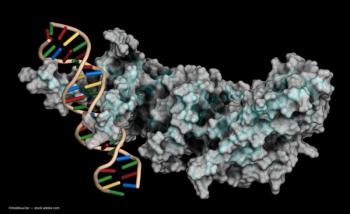
Both oxidative stress and HIF-1 have been previously implicated in the development of AMD.

Japanese investigators may have found a way of predicting which patients will develop intraocular inflammation in retrospective study.

Both oxidative stress and HIF-1 have been previously implicated in the development of AMD, but this research more clearly shows how cells are affected.
Advertisement
Advertisement
Trending on Eye Care Network - Ophthalmology Times
1
One day, three approvals: FDA expands options for ocular redness, thyroid eye disease, and presbyopia
2
Brepocitinib meets all Phase 3 end points in noninfectious uveitis
3
Diabetic macular edema: an inflammatory disease in focus
4
Matching artificial tears to dry eye phenotype: a Q&A with Omur Ucakhan, MD
5