
News
Advertisement

KOLs in the retina world reflect on advice they would share with fellows beginning their journey into retina, including the vast opportunities in healthcare and the importance of curiosity and collaboration for revolutionary advancements in retina medicine.
Advertisement

EYDENZELT is Celltrion's first FDA-approved biologic product in ophthalmology.

Singh highlights how understanding the “why” behind diagnostics and procedures boosts technician confidence, fosters pride, and strengthens their role in patient care.

A recent study uncovers a novel biomarker for retinal vascular diseases, highlighting the significance of intermittent capillary perfusion in monitoring treatment efficacy.

Biomarkers and fine-tuned staging are key to progress in improving retinal care, according to Fanka Gilevska, MD, PhD.
Advertisement

Dr Chhablani said "having multiple approaches to the same problem" is key for reaching the maximum number of patients with age-related macular degeneration
Ultra-high-resolution OCT advances retinal imaging, enabling detailed visualization of disease progression and potential therapeutic effects in eye conditions.

The Phase 1/2 ArMaDa trial is evaluating OCU410 (Ocugen), a gene therapy candidate for patients with dry age-related macular degeneration.
The video-driven platform equips ophthalmic practices with tools to standardize education, improve workflow, and foster technician engagement.
Advertisement

Sura-vec is intended to be a potential 1-time treatment consisting of the NAV AAV8 vector, which encodes an antibody fragment designed to inhibit vascular endothelial growth factor (VEGF).

Maximizing treatment based on GA location, lesion progression, and morphologic retinal changes.

The agenda includes subspecialty days, evening events and partner programmes from practice management organisations

A young surgeon reflects on training, technology, and the human side of adopting new excimer laser platforms.

Join the American Academy of Ophthalmology's annual meeting for cutting-edge insights, networking, and engaging events from October 17-20 in Orlando.

The company can now initiate the Opti-GAIN (Optimized Geographic Atrophy INterventional) phase 1/2 clinical trial.

Real-world insights emphasize identifying underlying causes to tailor treatment.
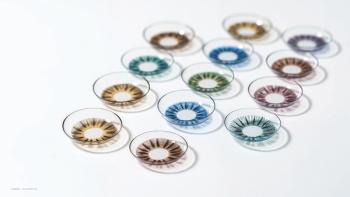
Research finding challenge the widely-held notion that cosmetic contact lenses are the safest technique for changing eye colour

Both have issued further statements regarding the deal.

Study finds retinal progenitor cell injections improve outcomes in rat model of diabetic retinopathy
The procedure showed positive effects on the electroretinography (ERG) (b-wave, oscillatory potentials), optomotor response, and contrast sensitivity in actively treated eyes compared with controls.

A stepwise guide to optimize astigmatism management in cataract surgery

A pair of studies, conducted in Taiwan and China, indicate that red light therapy could serve as an effective and safe alternative to atropine

From early experiences in India to fellowship training at Wills Eye Hospital, Dr. Ansari discusses how ophthalmologists can make a lasting impact worldwide.

Biomarkers and fine-tuned staging are key to progress in improving retinal care, according to Fanka Gilevska, MD, PhD

Learn how the YOURS Committee empowers young retina specialists through engaging educational initiatives, networking opportunities, and exam preparation resources.

Oculis plans to commence its PIONEER program, consisting of 3 trials, by the end of the year.

Advertisement
Advertisement
Trending on Eye Care Network - Ophthalmology Times
1
One day, three approvals: FDA expands options for ocular redness, thyroid eye disease, and presbyopia
2
Duravyu misses wet AMD end point again as EyePoint pivots to DME
3
A vascular link: erectile dysfunction may signal glaucoma risk in men
4
The Retina TL;DR with Dr. Weng: Thriving in fellowship with Amer Alsoudi, MD, and Monia Reding, MD
5