
The satellite of the US-based University of Miami Health System will offer a “full spectrum of ophthalmic services” in the United Arab Emirates
The satellite of the US-based University of Miami Health System will offer a “full spectrum of ophthalmic services” in the United Arab Emirates

Surgeons weigh in on emerging surgical technologies, premium lens trends, and strategies to optimize patient satisfaction and safety.
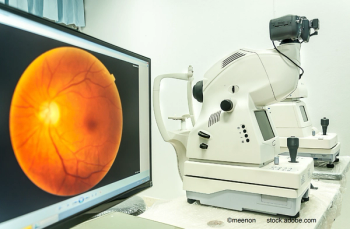
Retina specialists share their perspectives on evolving anti-VEGF therapy, pipeline treatments, and strategies to enhance patient outcomes.

Topcon Healthcare enhances its AI capabilities by acquiring Toku, Inc., aiming to revolutionize eye care with advanced predictive health insights.

From MIGS integration to remote monitoring and next-generation therapeutics, glaucoma specialists explore how new approaches are redefining patient outcomes.


The AAO 2025 meeting offered a platform for companies to showcase their latest technologies to advance ophthalmic patient care.

Automated standardized graphs facilitate refractive surgery outcome analysis.

A recently-updated textbook details major developments in therapeutic and cosmetic keratopigmentation, including superficial and intrastromal techniques
To celebrate Ophthalmology Times' 50th anniversary, we asked leading experts what the practice would look like today had optical coherence tomography (OCT), one of the biggest innovations in the field, never been invented.
Oluwatosin U. Smith, MD, reflects on early experiences caring for pediatric patients with complex glaucoma and how evolving tools and advancing science have reshaped treatment options over the decades.

STAAR releases new date for shareholder meeting

New research highlights iron dysregulation's role in dry AMD, suggesting transferrin as a promising treatment to slow disease progression.

Xelafaslatide (formerly ONL1204) is a small-molecule Fas inhibitor designed to protect key retinal cells from cell death that occurs across multiple retinal diseases and conditions such as geographic atrophy.
Andrew G. Lee, MD, and Drew Carey, MD, discuss the case of a patient with persistent papilledema after brain tumor resection due to superficial siderosis.
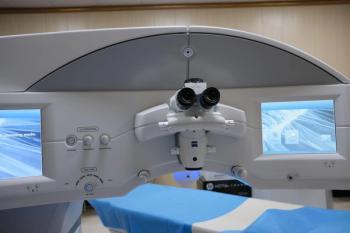
Faster cutting speeds and ergonomic design streamline workflows and enhance comfort.

The 24-month results of this first-in-human trial supports the potential long-term outcomes of this system to lower IOP.
A new study reveals a promising drug reduces vision loss in Stargardt disease, showing significant safety and efficacy over 2 years.

Innovative retinal therapies are advancing through FDA trials, promising breakthroughs in treating various retinal diseases.

Reporting from the European Society of Retina Specialists annual congress
To celebrate Ophthalmology Times' 50th anniversary, we asked leading experts what the practice would look like today had optical coherence tomography (OCT), one of the biggest innovations in the field, never been invented.

The awards recognize outstanding contributions in 3 categories—Rising Star, Catalyst, and Visionary Leader—honoring individuals driving innovation, inclusion, and impact across ophthalmology.

As a US clinical investigator, Wiley shares his insights on the FineVision HP trifocal lens, highlighting patient visual outcomes, satisfaction, and its impact on cataract surgery practice.
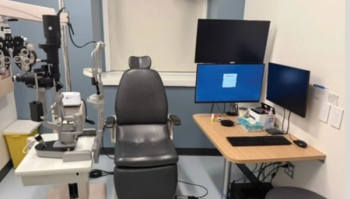
Providers are rethinking their spaces and systems to streamline care, reduce waste, and improve patient, staff and physician satisfaction

Catch up on news you may have missed at the meeting in Orlando, like the effects of GLP-1 drugs on eye health and a potential sign of cardiovascular disease.
David Eichenbaum, MD, FASRS, recalls an early-career case managing bilateral diabetic macular edema with frequent intravitreal triamcinolone injections—leading to severe steroid-induced glaucoma and valve implants.

Cases show improved clarity, astigmatism masking, and versatility in complex eyes.
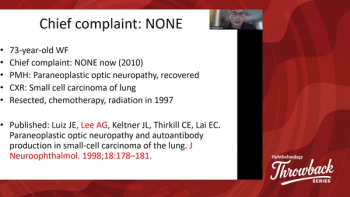
Andrew G. Lee, MD, revisits a 1997 case in which recognizing paraneoplastic optic neuropathy led to the diagnosis—and life-saving treatment—of small cell lung carcinoma.

Earlier use of SLT, sustained-release drug delivery, and MIGS is reframing glaucoma care.