In a new survey by medical software provider Kyruus, nearly three quarters had tried virtual care during the COVID-19 pandemic and more than 75 percent said they were very or completely satisfied with their experience.

In a new survey by medical software provider Kyruus, nearly three quarters had tried virtual care during the COVID-19 pandemic and more than 75 percent said they were very or completely satisfied with their experience.

Details help pave way for clinicians to provide safe environments for their patients


A survey from The Larry A. Greene Center and the Primary Care Collaborative found that the COVID-19 pandemic is impacting the well-being of physicians.
Maximizing refractive surgery is key to ensuring prosperous future
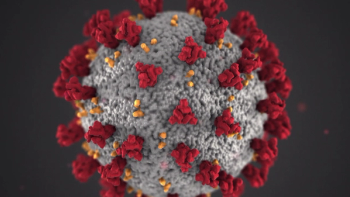
According to the Centers for Disease Control, coronavirus cases are on the rise in at least 32 states, and many of these states are also seeing increasing hospitalizations. These numbers are raising a red flag among ophthalmologists.

The CDC has updated the COVID-19 symptom list to include congestion or runny nose, nausea or vomiting, and diarrhea.
A report out of the United Kingdom revealed more than a 70% reduction in new referrals and a high rate of missed appointments due to the coronavirus, raising red flags for U.S. ophthalmologists.

Treatment options may expand beyond surgery, medication, and lasers

Overcoming protein deficiency in autosomal dominant optic atrophy
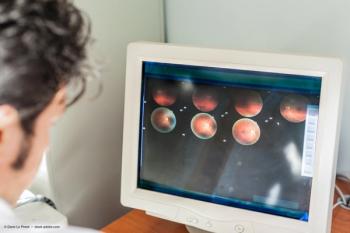
Subclinical lesions have been detected that are not apparent on other imaging platforms


The leadership of the American College of Physicians and the American Medical Association, in a joint letter issued this week, are calling for the U.S. healthcare system to wake up to the inequities laid bare by the COVID-19 pandemic.
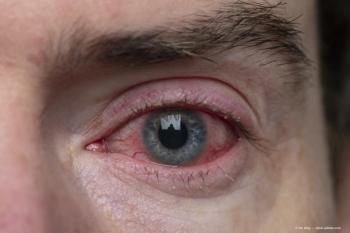
A team of researchers at the University of Alberta believe a case of pink eye is now a reason to be tested for COVID-19.


The North American Neuro-Ophthalmology Society, in alliance with the Spencer S. Eccles Health Sciences Library at the University of Utah, is offering the Neuro-Ophthalmology Virtual Education Library.

In letters to several major health insurers and health insurance associations in the United States, the American College of Physicians suggested recommendations about how to keep the new COVID-19 flexibilities in place after the period of the public health emergency has ended.

In the ever-changing landscape of the COVID-19 pandemic, the global population must refocus daily to remain tuned in to the latest understandings about the virus. Some of the most important observations involve new ways in which the virus affects patients.
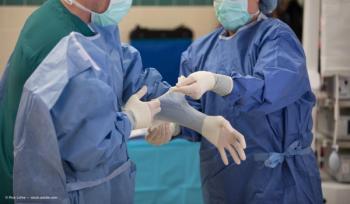
While ophthalmologists and their staffs continue to face challenges with the availability of proper personal protective equipment amid the COVID-19 pandemic, an internal Federal Emergency Management Agency slideshow detailed that N95 masks may have to be reused into October.