

Faricimab is the first and only FDA-approved medicine targeting two distinct pathways, Ang-2 and VEGF-A, that often cause retinal diseases that may cause vision loss.

Faricimab is the first and only FDA-approved medicine targeting two distinct pathways, Ang-2 and VEGF-A, that often cause retinal diseases that may cause vision loss.
Joshua Mali, MD, shares how the FDA-approved faricimab-svoa (Vabysmo, Genentech) will change the treatment landscape for wet AMD and DME.

With the addition of 7 new therapeutics, Théa will expand its presence in the U.S. market.

The new variant is described as a "subvariant" of the omicron variant and is closely related to omicron, though it has some different mutations.

Researchers collected data on COVID-19 symptoms via online surveys from in excess of 1 million 23andMe participants who self-reported their COVID-19 symptoms.

A team of investigators at the University of California, Irvine have found that inhibiting ceramide accumulation in retina protects photoreceptors improves vision
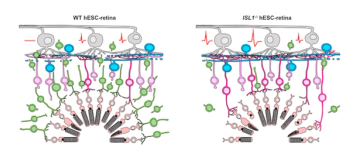
A team of investigators at the RIKEN Center for Biosystems Dynamics Research in Japan have used a genetic modification to improve human-derived retina transplants grown in the lab.

The study reviews the outcomes following penetrating, closed trauma–related injuries.
The historic eye institute celebrates six decades of leadership in eye care research, education and clinical practice.

Organization makes a commitment to expand translational research acceleration program and fund career development award.

Research also highlights the top factors that lead to care, which can be used to improve parents' uptake of sight-saving surgery for their children.

Work by a team of investigators is shedding light on the severity for gene variants and establishing outcome measures for therapeutic trials.
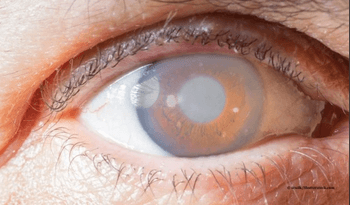
According to the company, the protocol enhancement for the RETeval Device marks an important step in mitigating vision loss from glaucoma.

Investigators find that successful outcomes may depend on the awareness of red-flag symptoms and signs.

A study finds acceptable outcomes, vision, and microperimetry improvements at higher doses.

Renewed consumer interest in and demand for LASIK, SMILE, and other procedures are among the key drivers for 2021 performance.
According to the companies, the trial will evaluate the safety, tolerability, and immune response of the vaccine that can be administered as a primary shot and a booster.

This Bascom Palmer Eye Institute 2-day virtual scientific program promises a distinguished international faculty who will share the latest developments in imaging, translational research, and clinical trials as well as the impact these advances will have on clinical ophthalmology.
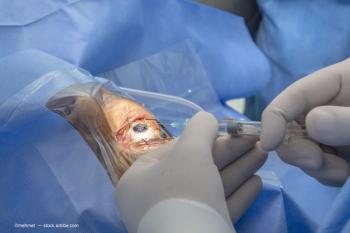
Nanoscope Therapeutics has received IND clearance from the FDA to begin a Phase 2 trial of its Multi-Characteristic Opsin ambient-light activatable optogenetic monotherapy to restore vision in Stargardt patients.

Across four studies, about half of eligible faricimab patients were able to go 4 months between treatments, and approximately three-quarters could be treated every 3 months or longer. Two papers published in The Lancet highlight one-year results.

Numerous studies have shown that adherence declines with more complex regimens of more than 1 or 2 bottles.
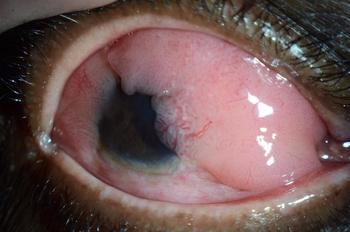
Investigators find the prevalence of ocular surface tumors is greater in the North Central region of the United States.

Canadian researchers have found that rapid antigen tests to detect the SARS-CoV-2 virus are associated with a very low rate of false positive results.
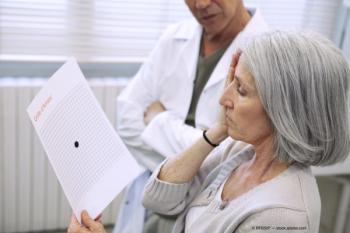
A partnership that includes BALANCED Media|Technology, the Retina Foundation of the Southwest and Southern Methodist University is seeking a patent for machine learning software for OCT images aids in identity progression and treatment options
A team of investigators are working on a simple test that may someday identify those who can stop therapy.

As the omicron variant continues to surge across the country, putting staff at many practices on edge, waning immunity may be driving an increase in virus infections.
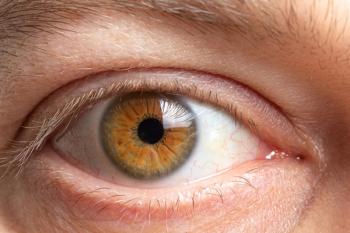
The difference between retina’s biological age and person’s real age linked to heightened death risk, with a team of Australian investigators finding that evidence suggests the microvasculature in the retina may be a reliable indicator of the overall health of the body’s circulatory system and the brain.

According to the companies, the agreement will open a channel between federal health facilities and CorneaGen's laboratories.
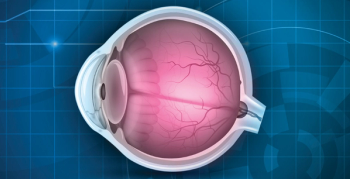
Physicians find that additional treatment is not required for many patients.
Since joining the foundation in 2018, Menzo has been involved in the formation of the Retinal Degeneration Fund, the venture arm of Foundation Fighting Blindness.