

In a clinical trial, investigators used an adeno-associated viral vector to deliver a normal functioning copy of the RPGR gene via subretinal injection.

In a clinical trial, investigators used an adeno-associated viral vector to deliver a normal functioning copy of the RPGR gene via subretinal injection.

EYS809, a non-viral gene therapy sustained drug-delivery product that delivers anti-vascular endothelial growth factor to the eye, may replace the need for repeated intravitreal anti-VEGF injections and improve vision in patients diagnosed with wet age-related macular degeneration.

Logan Vander Woude, DO, MPH, examines research on improved resolution of symptomatic vitreomacular traction as an attempt to further refine the potential factors predictive of better outcomes.

Robyn Guymer, PhD, MBBS, highlights the latest trial results for faricimab, the first bispecific antibody designed for intraocular use in treating patients with neovascular age-related macular degeneration.

Sunil Srivastava, MD, examines why and how optical coherence tomography characteristics may be predictive of the efficacy of the injections.
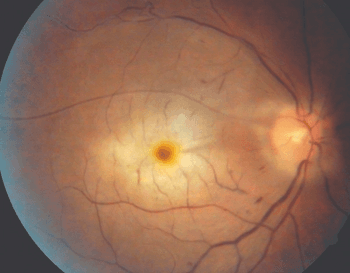
Bryce Buchowicz, MD, outlines roadblocks to timely diagnosis of central retinal artery occlusion and treatment with tissue plasminogen activator during a virtual presentation at ARVO.

Logan Vander Woude, DO, MPH, takes a deeper dive into symptomatic vitreomacular traction research in an attempt to further refine the potential factors predictive of better outcomes.

Investigators offer insight on how patients with BRVO or CRVO with any lapse in treatment of 3 months or longer are at risk for poorer outcomes.

John Wells, MD, presents efficacy, durability, and safety findings from phase 3 YOSEMITE and RHINE trials during the virtual ARVO meeting.

Safety data on non-clinician-led services have shown a low complication rate

Let the countdown begin for May as ‘month of ARVO’ and Annual Meeting

Community support and research continue to boost treatment in children
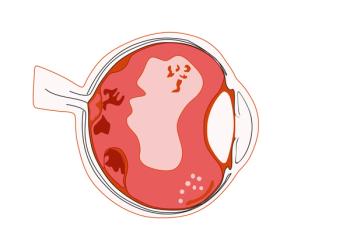
Study evaluates the impact of surgical procedure on visual outcomes in patients

Easier, more accessible functional studies have been made possible
Insulin pumps, digital technology and outcome analyses are useful tools

Studies are uncovering a range of potential treatment options for disorders

Dexamethasone implant is key to treating non-infectious posterior segment uveitis

How a combined ophthalmology/rheumatology uveitis clinic collaborates to monitor systemic disease activity and tolerance to systemic therapy

Technologies offer different approaches to different scenarios
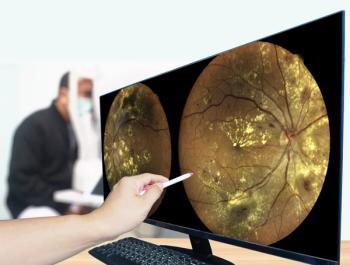
Eyes with chronic disease responded to steroid treatment

Investigators set out to determine if treatment crosses blood-retina barrier

Worldwide increase in technologies for ophthalmic use is dramatic

Fluocinolone acetonide implant for DME benefits visual acuity

For ophthalmologists, the interactive landscape of surgical visualization, including 3D digital surgery, robotics, and an OCT-enriched surgical theater, is leading to new opportunities.

Numerous studies will be completed during the next few years, and many new studies are being developed.
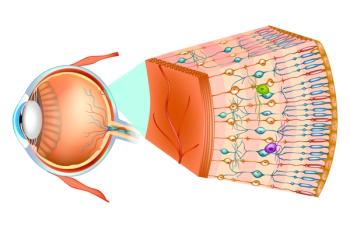
Studying zebrafish helps unravel mysteries of photoreceptor regeneration
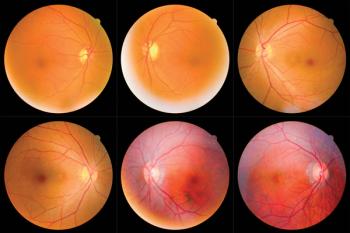
Short FLIO flecks may appear before changes are seen on other imaging modalities, including OCT.
This novel intravitreal gene therapy may also hold potential for the treatment of diabetic macular edema.

Studies highlight the need for specialists and training programs focusing on the disease.
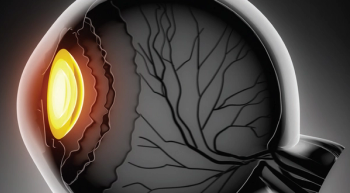
Technology helps physicians understand normal and abnormal macular anatomy