
At Angiogenesis, Dr. SriniVas R. Sadda discusses how choriocapillaris may predict the rate of progression of atrophy.
At Angiogenesis, Dr. SriniVas R. Sadda discusses how choriocapillaris may predict the rate of progression of atrophy.
At Angiogenesis, Dr SriniVas R. Sadda discusses how choriocapillaris may predict the rate of progression of atrophy.

During a presentation at the Bascom Palmer Eye Institute's Angiogenesis, Exudation, and Degeneration 2022 Virtual Edition conference, David S. Boyer, MD, explained that the drug, which is being considered to treat diabetic retinopathy, renal disease, and age-related macular degeneration, is intended to be an alternative therapy to monthly chronically administered intravitreal injections of anti-VEGF drugs.

In a presentation at the Bascom Palmer Eye Institute’s 19th annual Angiogenesis, Exudation, and Degeneration 2022 Virtual Edition, Glenn J. Jaffe, MD, noted that the analysis showed, for the first time, a decreased growth rate in the central foveal area by a therapeutic intervention when compared to sham treatment.

In a presentation at the Bascom Palmer Eye Institute’s 19th annual Angiogenesis, Exudation and Degeneration 2022 Virtual Edition, Dr Glenn J. Jaffe noted that the analysis showed, for the first time, a decreased growth rate in the central foveal area by a therapeutic intervention when compared with sham treatment.

In a presentation at the Bascom Palmer Eye Institute’s 19th annual Angiogenesis, Exudation, and Degeneration 2022 Virtual Edition, Glenn J. Jaffe, MD, noted that the analysis showed, for the first time, a decreased growth rate in the central foveal area by a therapeutic intervention when compared with sham treatment.
Dr. Nadia K. Waheed reviews the latest updates on the FOCUS trial, evaluating AAV-based viral vector GT005 for the treatment of geographic atrophy.

Dr. Nadia K. Waheed reviews the latest updates on the FOCUS trial, evaluating AAV-based viral vector GT005 for the treatment of geographic atrophy.

This study showed that an investigational subretinal implant, CPCB-RPE1, containing allogeneic human embryonic stem cell-derived RPE cells, was safe and well-tolerated by patients with dry AMD.

This study showed that an investigational subretinal implant, CPCB-RPE1, containing allogeneic human embryonic stem cell-derived RPE cells, was safe and well-tolerated by patients with dry AMD.

In a presentation at the Bascom Palmer Eye Institute’s 19th annual Angiogenesis, Exudation, and Degeneration 2022 Virtual Edition, Amir Kashani, MD, PhD, discussed results that show the implant procedure is feasible on an outpatient basis and has a good safety and efficacy profile.
Dr. David S. Boyer describes how blocking Connexin-43 may improve the retinal vascular system function in patients with diabetes, potentially creating a future of oral medication for treatment of diabetic retinopathy and AMD.
Dr. David S. Boyer describes how blocking Connexin-43 may improve the retinal vascular system function in patients with diabetes, potentially creating a future of oral medication for treatment of diabetic retinopathy and AMD.

A once-daily oral drug targets inflammatory processes and thus far has been found to be well tolerated in a phase 2 safety trial.

A once-daily oral drug targets inflammatory processes and thus far has been found to be well tolerated in a Phase 2 safety trial.

This Bascom Palmer Eye Institute 2-day virtual scientific program promises a distinguished international faculty who will share the latest developments in imaging, translational research, and clinical trials as well as the impact these advances will have on clinical ophthalmology.

The meeting places a special emphasis on pharmacotherapies in the pipeline for the treatment of neovascular exudative diseases of the eye and how they will affect clinical practice and Medicare.

Ophthalmologists gather to discuss neovascular and exudative diseases of the eye and the revolutionary therapies on the horizon.

RGX-314 eyed by investigators as a therapeutic option for exudative AMD.

Preexisting neutralizing antibodies associated with the inflammatory changes.

Study results show that aflibercept-treated eyes are protected.
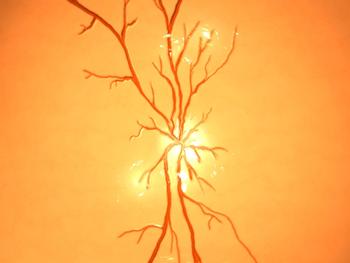
Annual Bascom Palmer Eye Institute program will spotlight latest advances in neovascular and exudative ocular disease over 2-day event, February 12-13.
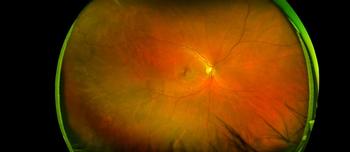
Three sessions cover the range from clinical updates for imaging to emerging therapies for non-exudative AMD.

The program features an update on faricimab, plus diabetes, choroiditis, retinitis pigmentosa, and late-breaking reports.