

















Quan Dong Nguyen, MD, MSc, FARVO, FASRS, speaks on the highlights of his presentation regarding new biological treatments of posterior uveitis.
Quan Dong Nguyen, MD, MSc, FARVO, FASRS, speaks on the highlights of his presentation regarding new biological treatments of posterior uveitis.

Study examines immunomodulatory as a potential long-term treatment option.
Long-term sustained-release therapy pays off in management of chronic, vision-threatening disease.
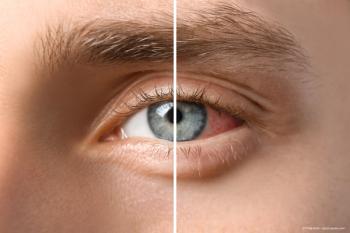
While operating on a patient with chronic uveitis presents some challenges, there are a few pearls that may increase success.
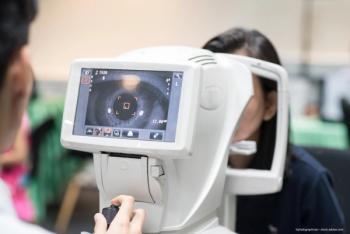
Measures of inflammation can predict treatment outcomes for patients
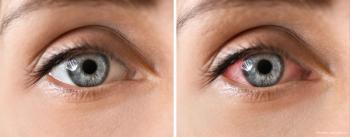
Standardization of Uveitis Nomenclature (SUN) Working Group utilized machine learning to create new uveitis classification criteria, inciting hope for implementation in clinical and research settings.
PDUFA action date of October 30, 2021, is assigned for investigational therapy with a proposed indication of treatment of macular edema associated with uveitis.

Study results show the device offers an effective long-term option for patients.

Dexamethasone implant is key to treating non-infectious posterior segment uveitis

Studies highlight the need for specialists and training programs focusing on the disease.
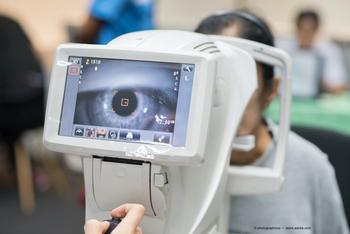
Bradley Smith, MD, presents at AAO 2020 on how fingolimod 0.5 mg, a first-line treatment for multiple sclerosis, may reduce both the number of relapses and disease progression in patients with relapsing-remitting MS as well as the incidence of uveitis.

Glenn J. Jaffe, MD, presents a summary of the results of a confirmatory study on a previous Phase III trial that examined sustained drug delivery for the treatment of uveitis, as well as data on the 36-month results in the second, confirmatory phase 3 study of YUTIQ.

Chronic cases can be difficult for retina specialists; treatment is satisfying.

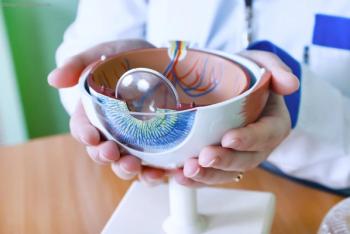
Inhibition plays role in autoimmune-based inflammation; has unique mechanism of action

One biologic response modifier has indication for uveitis; several in development to gain FDA approval

Quiescence, steroid-free quiescence achieved in VISUAL III trial
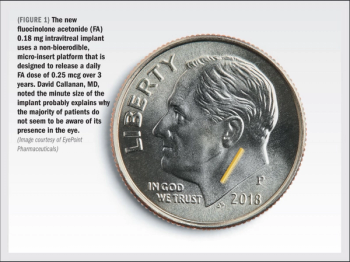
FA implant effective in lowering recurrence rates through available 6, 12 months of follow-up
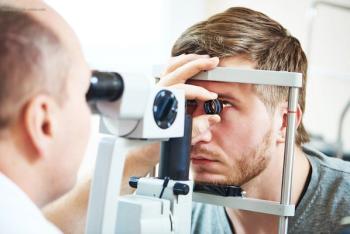
Improvement in visual acuity, central retinal thickness, vitreous haze reported at 6 months
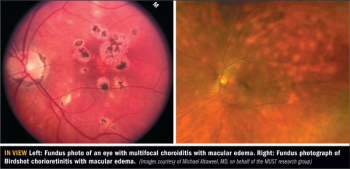
Intravitreal triamcinolone acetonide, dexamethasone implant superior for regional treatment of disorder


Novel local corticosteroid therapy shows positive efficacy signals, favorable safety profile says Rahul Khurana, MD.

Uveitis does not have to be vexing. Here are some basic principles to make it easier for ophthalmologists to identify the disorder, says James Philip Dunn Jr., MD