




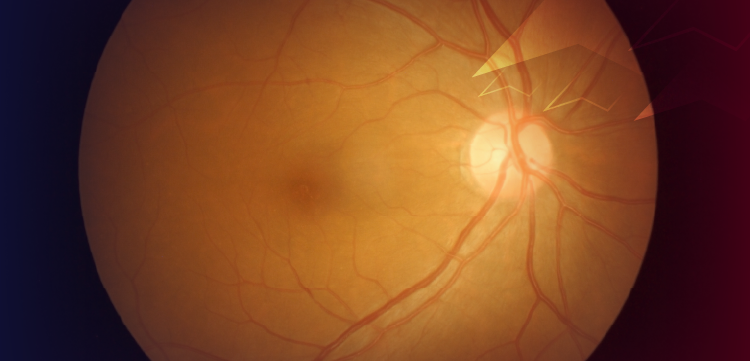













Patients who are repeatedly treated with bevacizumab (Avastin) for choroidal neovascularization (CNV) experience visual improvements similar to patients who received their first treatment with the drug.

Patients who are repeatedly treated with bevacizumab (Avastin) for choroidal neovascularization (CNV) experience visual improvements similar to patients who received their first treatment with the drug.
The introduction of anti-VEGF therapy has revolutionized the treatment of neovascular age-related macular degeneration (AMD); the main cause of blindness in the industrialized world. Large numbers of previously untreatable patients will now be eligible for treatment which, in itself, represents an overwhelming challenge to healthcare providers. Discussion and careful planning is needed to ensure that the manpower and funds are in place to deal with this new era in ophthalmic care.
A review of the various studies that have investigated the best way to treat macular oedema secondary to CRVO.
Pilot study, which examines the benefits of combining photodynamic therapy (PDT) with bevacizumab (Avastin) in AMD patients, yields promising results.
OCT a good AMD screening tool
Quantitative analysis of the impact of neovascular age-related macular degeneration (AMD) on the UK population has led a team of researchers to call for urgent, early access to the new class of drug therapies for the disease.
There may be an association between Alzheimer's disease and the onset of age-related macular degeneration (AMD), according to a report presented at the Association for Research in Vision and Ophthalmology (ARVO) meeting held in Fort Lauderdale, USA during May of this year.
Drivers with age-related macular degeneration (AMD) who used a small, spectacle-mounted bioptic telescope reported fewer self-imposed driving restrictions when compared with drivers with AMD who did not use the telescope. Alex R. Bowers, PhD, MCOptom, of the Schepens Eye Research Institute, Department of Ophthalmology, Harvard Medical School, Boston, noted that drivers with AMD who used the telescope drove greater distances and to more paces and reported fewer difficulties in potentially challenging situations, such as night driving, heavy traffic, or rain.
Long-term daily supplementation with folic acid and vitamins B6 and B12 may reduce the risk of developing age-related macular degeneration (AMD) in women with established cardiovascular disease (CVD) or CVD risk factors, said William G. Christen, ScD, DO, associate professor in medicine, Harvard Medical School, and associate epidemiologist, Division of Preventive Medicine, Brigham and Women's Hospital, Boston.
Identifying the bottlenecks that are preventing effective management of neovascular AMD.
Potentia Pharmaceuticals has announced that it is entering the clinical phase of development for POT-4, its lead drug candidate for the treatment of age-related macular degeneration (AMD).
Digital imaging technology, used during primary care visits, can significantly improve screening rates for diabetic retinopathy, according to a report published in the March issue of Diabetes Care.
Regeneron Pharmaceuticals and Bayer Healthcare have announced positive preliminary data from a Phase II randomized study of the VEGF Trap-Eye treatment for wet age-related macular degeneration (AMD).
Statins may have protective effects on the development of both cataract and age-related macular degeneration (AMD), according to a report published in the April issue of the American Journal of Ophthalmology.
An increased level of white blood cells can predict the risk of developing early age-related macular degeneration (AMD), according to findings published recently in the American Journal of Epidemiology.
In persistent macular oedema, a single dexamethasone drug delivery system (DDS) treatment can significantly improve best corrected visual acuity (BCVA).
Daily oral administration of ruboxistaurin (RBX) may delay progression of diabetic macular oedema (DME) to a sight-threatening stage.
The economical cost [of blindness] to society is extremely significant, with the annual financial cost estimated at €1.5 billion in France, €3.3 billion in Germany, €0.7 billion in Spain and €1 billion in the UK
A Phase I clinical study of Athenagen's topical eye drop therapy for wet age-related macular degeneration (AMD), ATG3, has found it to be safe and well tolerated.
Preliminary results from a Phase I trial of TargeGen's TG100801 eye drop for macular degeneration, has found it to be well tolerated in humans.
SR Pharma has launched a Phase I clinical trial of RTP-801i.
A Phase I clinical study of Athenagen's topical eye drop therapy for wet age-related macular degeneration (AMD), ATG3, has found it to be safe and well tolerated.
For most patients with choroidal neovascularization (CNV) resulting from age-related macular degeneration (AMD), triple therapy offers significant and sustained visual improvement after just one cycle of treatment.
Retinal specialists have a new therapy in their armoury: on January 24th 2007, the European Commission approved ranibizumab (Lucentis, Novartis) for the treatment of patients with wet age-related macular degeneration (AMD).
Why is it that education & training are sometimes regarded as a chore and an unnecessary obligation?