










Intelligent Retinal Imaging Systems (IRIS) celebrates the company’s 1 millionth diabetic retinal exam.


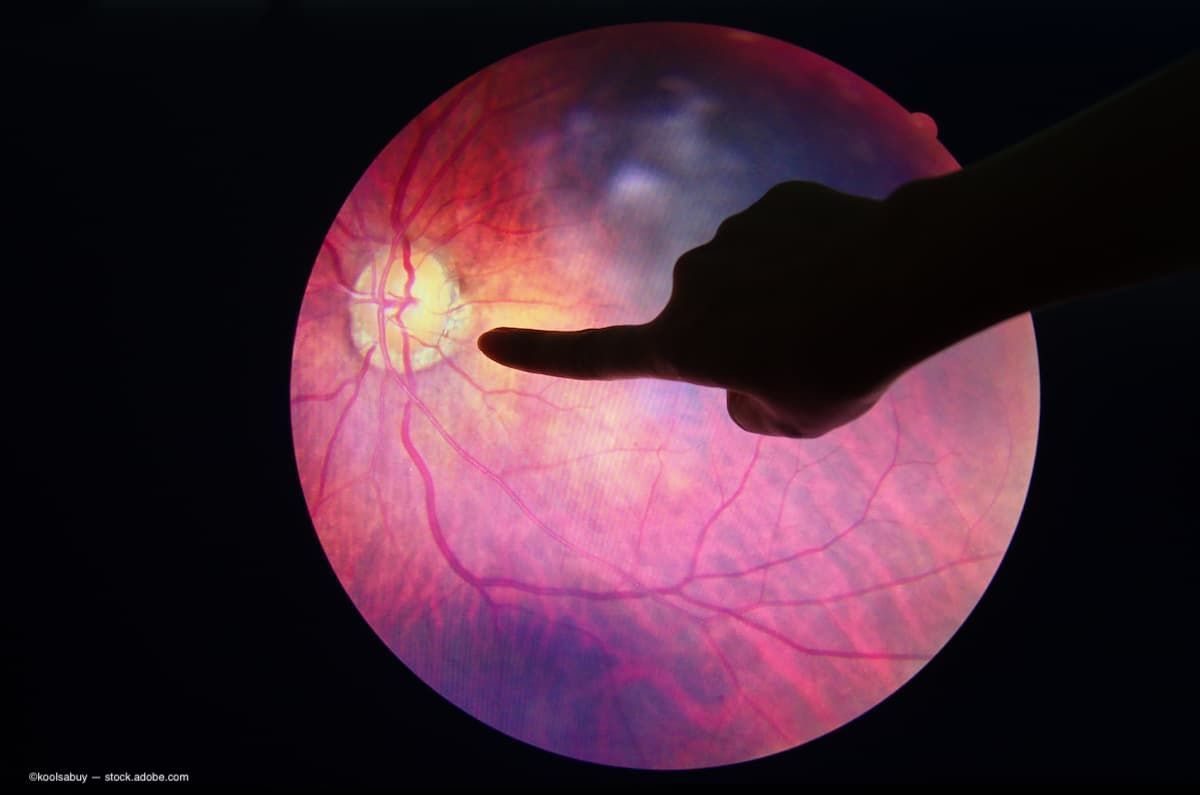
Study: Nearly 10 million people in US with diabetes have diabetic retinopathy

The use of AI in eye scans may improve diagnosis of inherited disease of the retina
Intelligent Retinal Imaging Systems (IRIS) celebrates the company’s 1 millionth diabetic retinal exam.

According to the company, the Phase 1/2 SLO-RP trial completed target enrollment of 48 patients diagnosed with RP associated with USH, with interim efficacy data anticipated by the end of the year.
According to company officials,the new image modality provides additional retinal visualization to our customers as they manage their patient’s treatment and ongoing care.
In a Wilmer Eye Institute study, in mice and human cell models, the drug 32-134D lowered protein levels known to contribute to diabetic macular edema and diabetic retinopathy

The research conducted at the Wayne State University School of Medicine implies that VCAM1 antagonism could be a promising therapeutic strategy for proliferative retinal disorders.

According to the company, topical administration is capable of delivering metformin to choroid, RPE, and retina.

Macular hole closure results from this novel treatment.

Study: AO retinal imaging has the potential to become a sensitive marker for disease.

A modified illuminated endolaser could be an efficient substitute for cryotherapy or indirect laser retinopexy during primary scleral buckling.

If approved, RVO would be the third indication for Vabysmo in addition to wet age-related macular degeneration and diabetic macular edema.
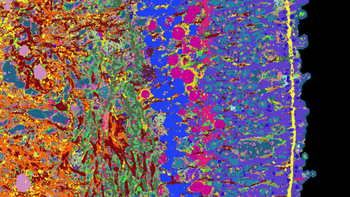
A team of researchers has now developed an approach to gather and compile a great deal of information about organoids and their development. The team applied its approach to the organoids of the human retina, which they derived from stem cells.

Inherited Retinal Diseases (IRD are genetic disorders that can cause severe vision loss or even blindness.

According to researchers, these chronic, progressive retinal diseases, including retinitis pigmentosa, arise from genetic and environmental disruptions of cellular and tissue stability.

Scientists at Medical College of Georgia demonstrated in their animal model of retinopathy of prematurity that the small molecule K604, which is being explored in cancer and Alzheimer’s, can block the development of leaky, obstructive blood vessels in the retina, tamp down inflammation and enable more normal blood vessel growth
Ram Kannan, PhD, FARVO, principal investigator and adjunct professor of Ophthalmology at David Geffen School of Medicine, UCLA, Doheny Eye Institute, made a pair of presentations at the Association for Research in Vision and Ophthalmology annual meeting in New Orleans. He offers some of the highlights in a conversation with Ophthalmology Times.

According to the company, TSN-201 leverages AAV capsid that spreads laterally beyond subretinal injection site to facilitate safe delivery of RS1 to photoreceptors in the central retina/fovea.
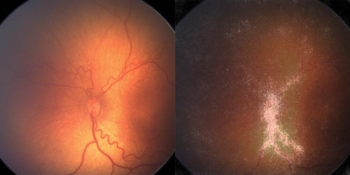
The UCL-Moorfields team have developed a deep learning AI model to screen for ROP, which was trained on a sample of 7,414 images of the eyes of 1,370 newborns who had been admitted to the Homerton Hospital, London, and assessed for ROP by ophthalmologists.

In a presentation at the Association for Research in Vision and Ophthalmology annual meeting in New Orleans, Kiora Pharmaceuticals showed its investigational drug has the potential to restore light perception in patients who are blind or living with ultra-low vision due to retinitis pigmentosa.
Ophthalmology Times® talked with Michael Ip, MD, about the 5 year follow-up of the original SCORE2 dataset from the NIH-sponsored clinical trial.at this year's ARVO meeting.
Post-hoc analyses from four Phase III studies indicate Vabysmo dried retinal fluid faster with fewer injections in wet age-related macular degeneration and diabetic macular edema.
Ophthalmology Times® talked with Edmund Arthur, OD, PhD, FAAO, about his research on the early detection of diabetic retinopathy in underserved communities at this year's ARVO meeting.

Ophthalmology Times® talked with Jay Barth, MD, about the work at Ascidian Therapeutics and their research into developing a new way to administer gene therapy at this year's ARVO meeting.

Hydrogen water intake improved retinal blood flow (RBF) dysregulation in response to flicker stimulation and systemic hyperoxia in type 2 diabetic mice.
Thomas V. Johnson, MD, PhD, sat down with David Hutton, Managing Editor, Ophthalmology Times®, to discuss his presentation at this year's ARVO meeting on retinal engineering and RGC replacement.

Japanese investigators have found an ocular biomarker of cardiovascular diseases.