






Ocular Surface Disease
Latest News
Advertisement
Video Series






Shorts

1:03
Approaching ocular pain like a detective
a month ago
by
Anat Galor, MD, MSPH(+1 more)

0:55
Stop ignoring your eyelids: the hidden risk of dry eyes
2 months ago
by
Alice Epitropoulos, MD
0:33
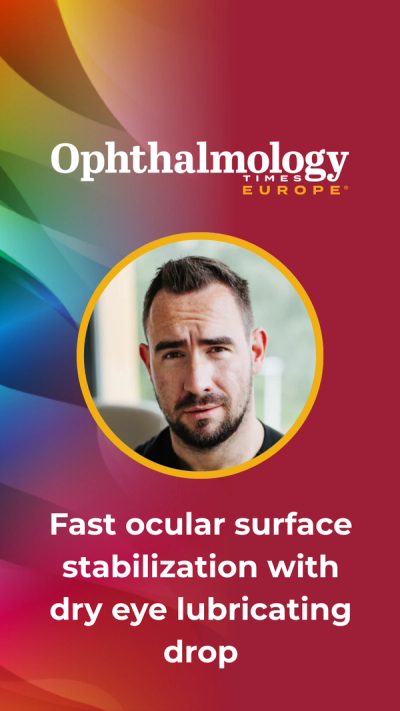
Fast ocular surface stabilization with dry eye lubricating drop: Piotr Wozniak, MD
3 months ago
by
Piotr A. Woźniak, MD, PhD(+2 more)
CME Content




Advertisement
Aldeyra Therapeutics will submit a FDRR to the FDA for reproxalap, an investigational drug or dry eye disease.

Coats, OD, FAAO, explains how neurotrophic keratitis, demodex, cosmetic habits and mucus fishing complicate dry eye disease.
The first patients were dosed in the global phase 3 ORBIT trial evaluating linsitinib as an oral therapy for thyroid eye disease.

Startup S5G Therapeutics aims to move ubiquinol technology from the laboratory toward treatments for dry eye, Fuchs dystrophy, and other corneal conditions.
Cataract safety, Glaucoma drugs and MIGS, plus Artificial Intelligence debates and retina breakthroughs—key FDA moves and trial updates in ophthalmology.

Bausch + Lomb advances dual-action dry eye drop to phase 3 and reports positive phase 1b data for TRPV1 antagonist BL1332

Angela Y. Zhu, MD, of Bascom Palmer Eye Institute, explains how to distinguish eye allergy from vision-threatening VKC and AKC in children and when steroid-sparing therapy and referral are warranted.

Preparing the ocular surface for surgery in the presence of Demodex blepharitis
Published: | Updated:
Alice Epitropoulos, MD, shares cases of Demodex blepharitis and reflects on how lotilaner has changed treatment before ocular surgery.

Topical chloroprocaine hydrochloride ophthalmic gel 3% (IHEEZO, Harrow) resulted in less pain f following intravitreal injections in patients undergoing same-day bilateral intravitreal injections.

Two investigational pipeline therapies take aim at the root causes of dry eye disease
A study of YB-101, a potential treatment for both Graves' disease and thyroid eye disease, has begun dosing the first patients. The molecule receive Fast Track Designation from the FDA.

A newly developed diagnostic system, CaptureTumor (CaT), driven by artificial intelligence (AI) and designed specifically for smartphone deployment, achieved diagnostic accuracy comparable to that of a specialist-graded slit-lamp evaluation” for detecting rare ocular surface malignancies.
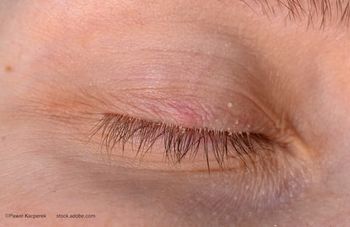
Two cases illustrate how recognizing and treating Demodex can change surgical outcomes and resolve chronic dry eye disease.

Proactive strategies enhance comfort, adherence, and long-term glaucoma control

According to the company, this meeting helped to provide a “clear path forward” for CBT-004 in its projected phase 3 study

Harvard researchers used data to shed light on pediatric neurotrophic keratopathy, revealing key insights into prevalence, vision outcomes, and treatment approaches.

A recent study reveals significant ocular complications from monkeypox, highlighting the need for enhanced eye health strategies in affected regions.

Sezen Karakus, MD, highlights options including compounded cyclosporine, autologous serum drops, recombinant human nerve growth factor, and newer topical agents to manage refractory or neurotrophic dry eye.
Alternative management may avoid current concerns found with antibiotics.

Advertisement
Advertisement
Trending on Eye Care Network - Ophthalmology Times
1
Myopia comanagement: The missing link in myopia care
2
Thyroid Eye Disease in 2026: Disease state, recent developments, and the pipeline
3
Q&A: GLP-1 RAs and NAION: Nocturnal hypotension and the same-day workup
4
Closing the Gap in Presbyopia Management for Patients Without Cataract: From “No Laser” to “Now Laser” With ZEISS PRESBYOND
5