



Interventional Glaucoma
Latest News
Advertisement
Video Series





CME Content













Advertisement

Thurein Htoo, MS, MBA, CEO and co-founder of Qlaris Bio, took the podium at the New Horizons Forum at the Glaucoma 360 conference in San Francisco to discuss the performance of the company’s episcleral venous pressure eyedrop, QLS-111.

Ruth Williams, MD, explained the importance of hypotension in glaucoma and its potential as a modifiable risk factor at the 27th annual Glaucoma Symposium during Glaucoma 360 at the Westin St. Francis San Francisco on Union Square.

Unless there is an underlying medical necessity, researchers discourage the application of atropine as a standard therapy for trabeculectomy surgery in a recent study.

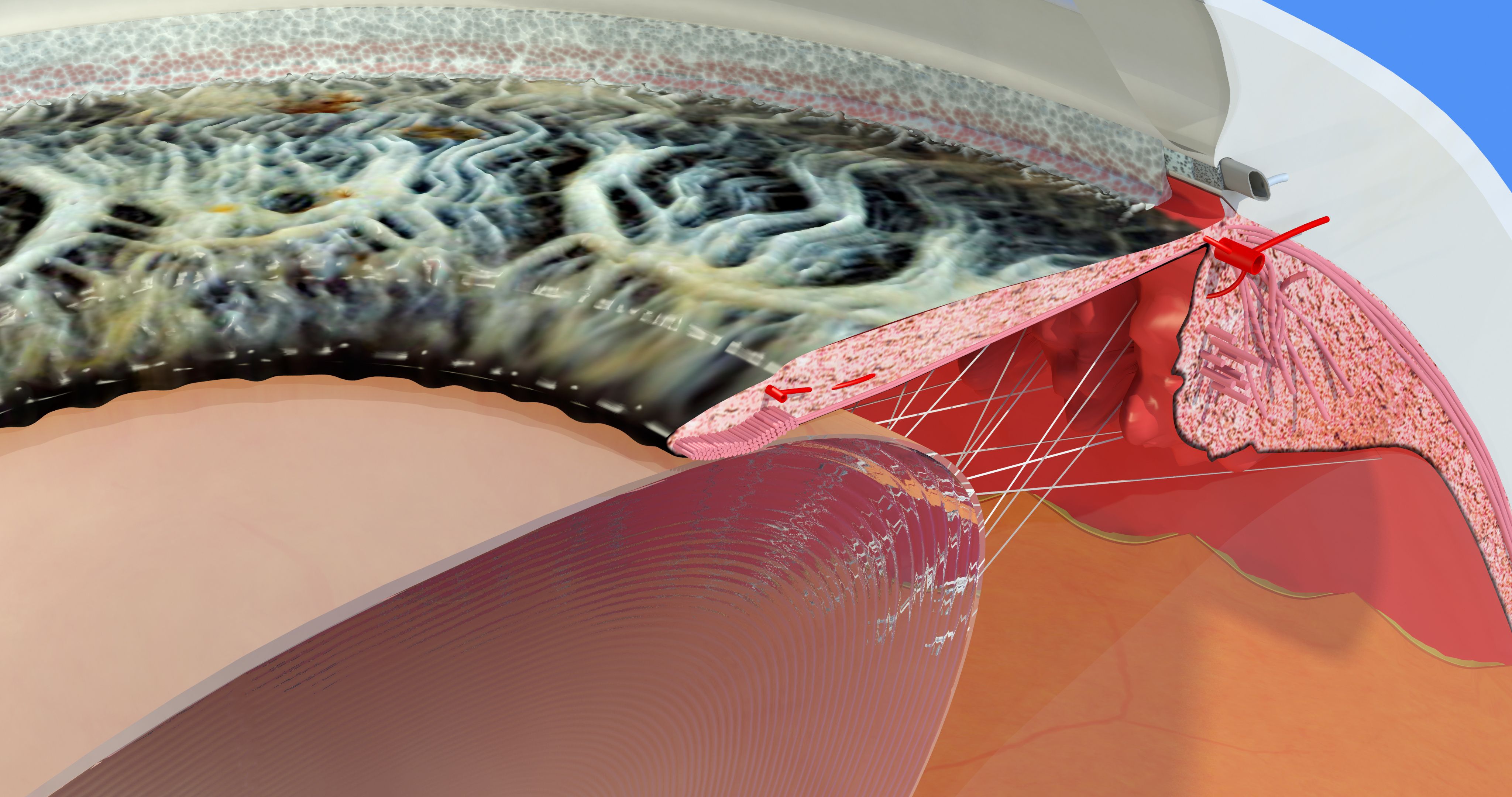
The technology uses excimer laser energy to create microscopic openings in the trabecular meshwork to re-establish the natural flow of aqueous.
Investigators' data showed that overweight/obesity, migraine, asthma, and smoking are major risk factors for conversion from ocular hypertension to open-angle glaucoma in this Spanish and Portuguese population.

The technology is used to treat glaucoma at the same time as cataract surgery.

The company anticipates introducing latanoprost ophthalmic solution 0.005% to U.S. eye care practitioners in the second half of 2023.

Members of the Ophthalmology Times Europe® Editorial Advisory Board were asked to predict developments in their ophthalmic specialties and interests for 2023. A focus is our ageing population, while efficiency and productivity are also on their minds. The board members agree that one of the major challenges in the year to come will be the large number of patients awaiting diagnosis and treatment, which is only going to increase with the rising average life expectancy worldwide.

A new device for goniotomy has the advantage of an irrigation/aspiration system, which offers easier excision of the trabecular meshwork and better visibility. Dr Desai shares his experiences using the device as well as his tips and surgical pearls for success.
Studies reveal the advantages of numerous new glaucoma treatments that offer a wider range of options for individual patients.

Combining ECP with vitrectomy can reduce medication use following the procedure and in some cases avoid the need for further surgery.
An end-of-week review of what happened in ophthalmology from 29 October to 3 November 2022.
Gentle eye drops, laser or minimally invasive surgery, advising patients on safe viewing of electronic devices, and addressing eyelid disorders can all help to minimise adverse effects.
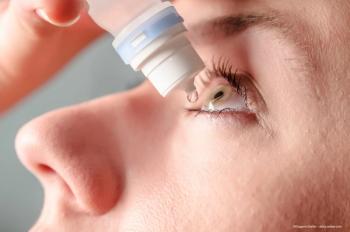
Investigators report that a gel-forming sustained-delivery eye drop containing sunitinib can provide increased intraocular absorption of the drug while protecting retinal cells.
Shawn O'Neil of ViaLase shares updates on the company's femtosecond laser, image-guided, high-precision trabeculotomy (FLigHT) treatment.

The goal of World Sight Day, according to IAPB, is “to shine a light on blindness and vision impairment as a major, but solvable, public health issue."
At AAO 2022, Dr Mitch Shultz provides discourse on iStent inject vs Hydrus contralateral eye evaluation data.

A combination of posters, podium presentations and instructional courses provided invaluable revelations to the ophthalmic community.
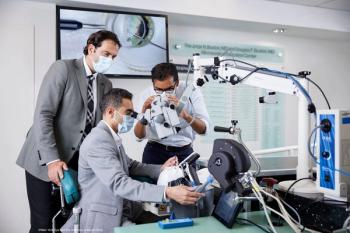
Robot-assisted surgical precision offers less than 5-µm precision tremor stabilization, 1 to 10-mN force-sensing smart instrumentation and automated procedure-specific guidance and assistance with analytics.

13% of pediatric patients had new-onset strabismus after a tube shunt procedure; in contrast, 0% of adults had new-onset strabismus after tube shunt surgery (at 6 months or at last follow-up).

Following the lockdown due to COVID-19, investigators highlight the need to re-assess policies on patient follow-up and establish new approaches to provision of care for elderly patients.
Mr Gokulan Ratnarajan recaps his 2022 ESCRS presentation: "A Real World Comparison Of iStent Combined With Phacoemulsification And Endocyclophotocoagulation (Ice2) With Preserflo And Xen-45 Implants In The UK; Short- And Long-Term Outcomes."
According to Nicox SA, the patients made their final 3-month visit last week. Top line results of the trial are expected in November.
Dr David Lubeck talks with Caroline Richards of Ophthalmology Times Europe about his ESCRS presentations, touching on surgical effects on corneal epithelium and the iTrack Global Registry for glaucoma.
The investigators explained that elevated angle-closure-related intraocular pressure may aggregate the visual impairment in patients with retinitis pigmentosa.
Advertisement
Advertisement
Trending on Eye Care Network - Ophthalmology Times
1
Brepocitinib meets all Phase 3 end points in noninfectious uveitis
2
Myopia control using spectacle lenses with highly aspherical lenslets
3
Demodex blepharitis: Diagnosis, treatment response, and recurrence
4
CHMP recommends ranibizumab biosimilar Fovlussea for retinal disease
5