

















Cornea
Latest News
Advertisement
CME Content
Advertisement






Early identification, aggressive treatment critical; when to consider surgical intervention
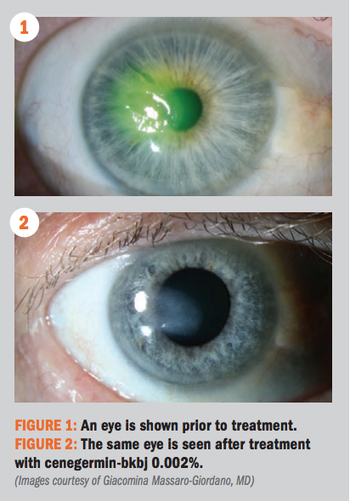

The results of widefield epithelial thickness mapping with the Optovue Avanti OCT in eyes with a single mild topographic or tomographic abnormality were similar to normal eyes in myopes, which eases decision making surrounding refractive surgery.

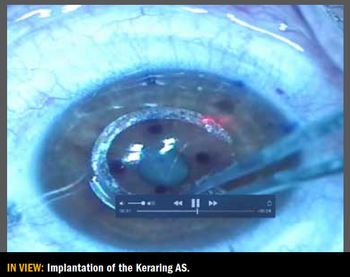

ICYMI: Here's what's in the 2019 pipeline
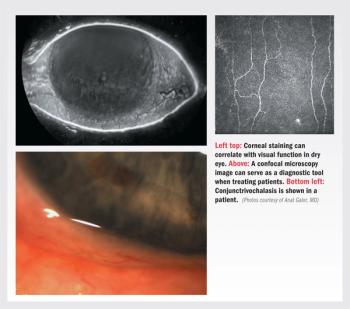
Focus of dry eye may shift to ocular surface issues that can cause discomfort in patients
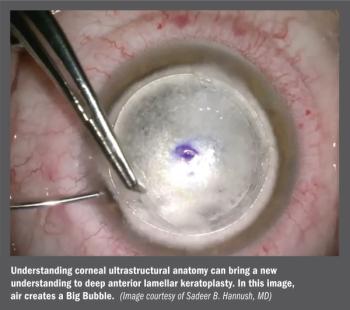
Understanding corneal anatomy can minimize risk of Descemet’s membrane rupture
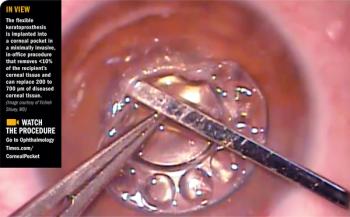
Device in FDA trial for patients with corneal opacity, high risk of penetrating keratoplasty complication
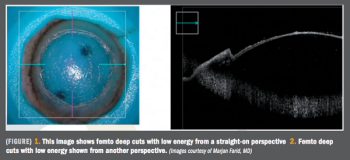
Innovations in procedure may overcome current technical difficulty

Much has been learned about epidemic keratoconjunctivitis (EKC) since it was first described in 1889.

Treatment slows or halts the progression of keratoconus, corneal ectasia
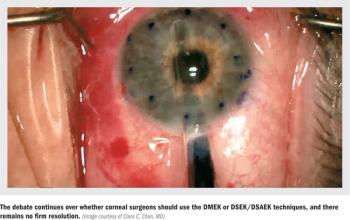
Question of which technique is superior remains unanswered amid shift to thinner grafts

Audrey Talley Rostov, MD, discusses corneal cross-linking (CXL) complications, and when to consider CXL treatment

Providing findings from a retrospective study, Li Lim, MD, noted that eyes with high myopia benefit from CXL add-on to LASIK, resulting in safety, efficacy, and predictability with refractive outcomes that are more stable than those achieved with LASIK alone.
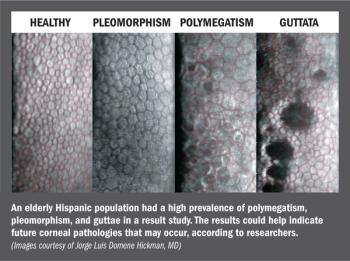
With ‘surprise’ finding, results may help indicate future corneal pathology that may occur
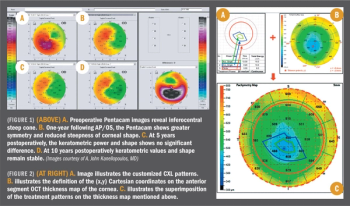
Adding procedure can improve visual function, offer patients normal lifestyle
Advertisement
Advertisement
Trending on Eye Care Network - Ophthalmology Times
1
AAO 2026: Tinlarebant in Stargardt disease: Jacque Duncan, MD, on DRAGON results
2
AAO 2026: MCO-010 sustains vision gains in RP through 4 years
3
AAO 2026: Elegrobart reduces proptosis in active thyroid eye disease
4
AAO 2026: New trials target optic neuritis treatment questions
5