
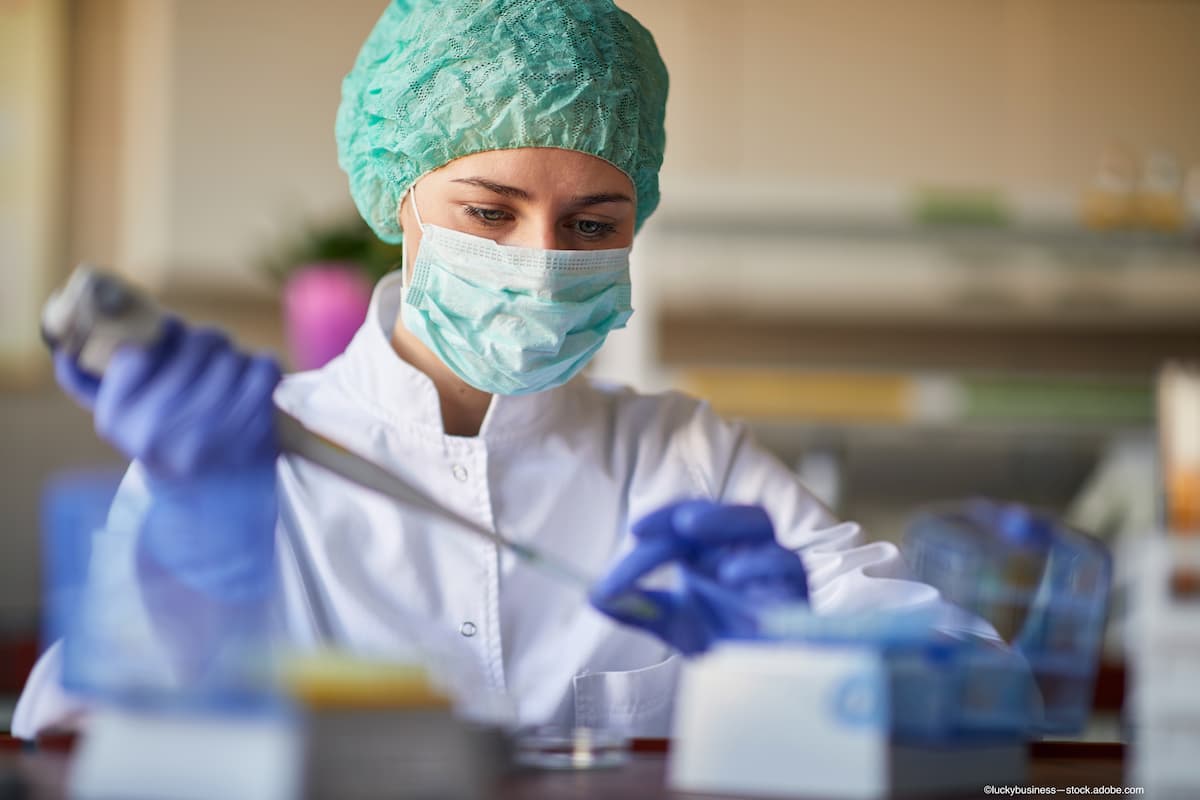








Kiora Pharmaceuticals announced it has enrolled the first patient as a part of a Phase 2 study evaluating KIO-201 topical eye drops in patients with PCED, a rare ocular surface condition characterized by non-healing wounds on the eye surface.

Kiora Pharmaceuticals announced it has enrolled the first patient as a part of a Phase 2 study evaluating KIO-201 topical eye drops in patients with PCED, a rare ocular surface condition characterized by non-healing wounds on the eye surface.
Takeaway: there doesn't seem to be a specific dry eye phenotype that does better or worse.
Biologic treatments can be utilised to help the eye heal itself in inflammatory conditions such as dry eye disorder.
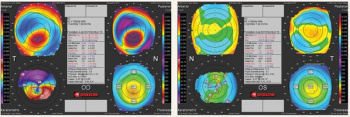
Eye rubbing is an essential factor in the development of keratoconus. “No rub, no cone” is the rule: a genetic predisposition for the disease will come to nothing without excessive eye rubbing.
The study evaluates three separate cases, each of which experienced irreversible changes in their corneal structure caused by challenges in getting timely treatment due to various reasons, including insurance, lost to follow up, and the COVID-19 pandemic.

In a paper, investigators identified strategies used by patients to reduce the cost of therapy and its impact on adherence to treatment. Patients may be reluctant to disclose challenges regarding adherence to dry eye disease therapy, as well as fears of worsening quality of life.
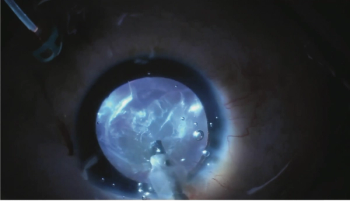
Physicians offer pearls for improving visualisation in eyes using retroillumination techniques.

The study's primary endpoints were to look at increasing Schirmer's scores, as well as eye discomfort score.
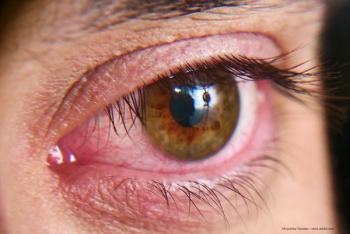
BRIM Biotechnology Inc. has entered into a new strategic partnership with Ora Inc. for the late-stage clinical development of lead drug candidate BRM421 for dry eye syndrome (DES).
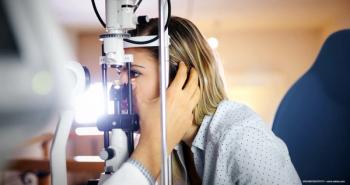
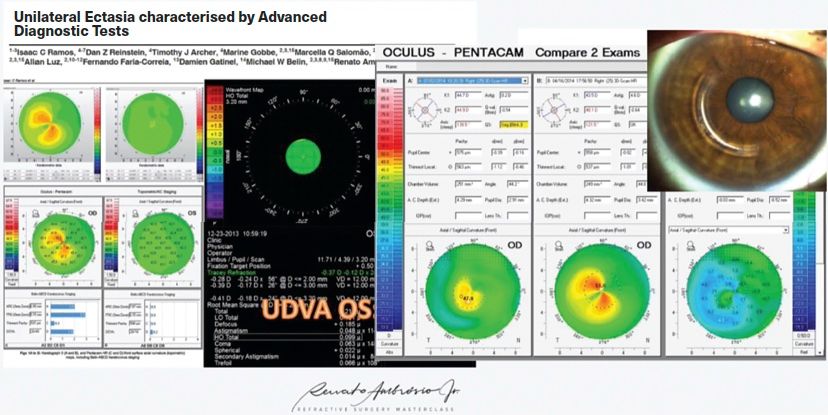
Polarisation-sensitive optical coherence tomography has facilitated early diagnosis of disease before it becomes apparent on topography.
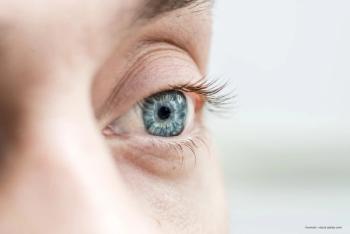
Patients are at risk for developing severe dry eye and ocular surface disease.
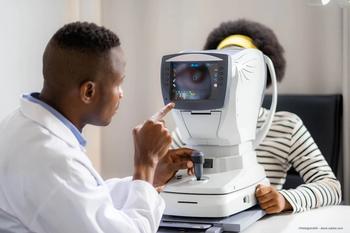
In a poster presented at the Association for Research in Vision and Ophthalmology’s 2022 annual meeting, Dr Osama Ibrahim Hirayama and colleagues offered results that demonstrating that anisometropia and astigmatic error were greater among the patients with high myopia compared with the other groups. Compared with the subjects with no myopia, those with high myopia reported significantly more dryness, less photophobia, and less pain.
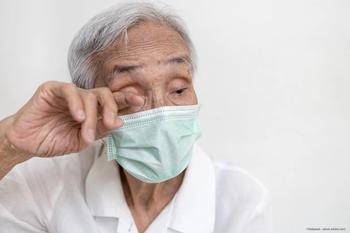
During a presentation at the Association for Research in Vision and Ophthalmology’s 2022 annual meeting, Dr Yuichi Hori and colleagues found that taping the top border of a surgical mask to a clinicians’ skin reduces the potential for ocular surface damage resulting from expirations of air reaching the ocular surface during the COVID-19 pandemic.
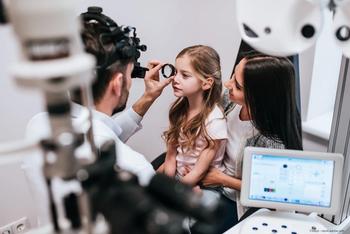
In a poster presented at the Association for Research in Vision and Ophthalmology’s 2022 annual meeting in Denver, Dr Mamoru Ogawa noted that investigators have found that the choroidal and central corneal thicknesses increased over a very short period of time following intensive outdoor activity.
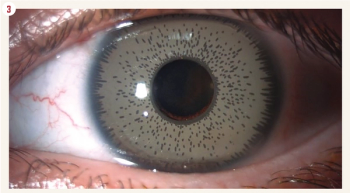
Authors of a retrospective study into complications associated with iris implants advise that the procedure should be considered as malpractice.
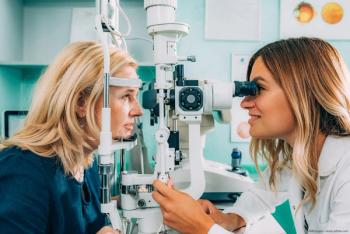
It is particularly important to identify any signs of meibomian gland disease in patients to prevent gland atrophy and loss of function.
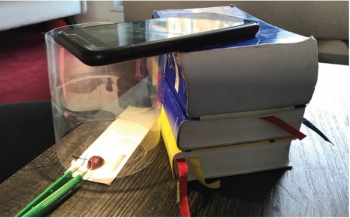
The pandemic has impacted ophthalmic surgical training. Exercises have been developed to provide key skills that can be practised simply at home and require no special equipment.
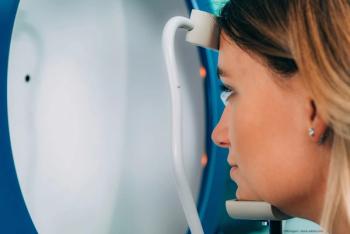
Light-based biometry is especially effective for providing accurate measurements inside the eye and evaluation of the ocular surface.

Thanks to recent innovation, ophthalmologists have several options at their disposal for the treatment of presbyopia.
An end-of-week review of what happened in ophthalmology from April 9-April 15.
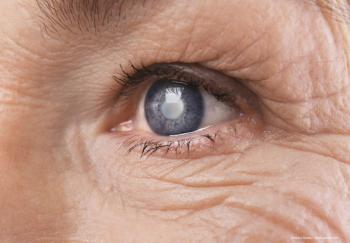
Overall anterior stromal haze was greater at all postoperative time points.
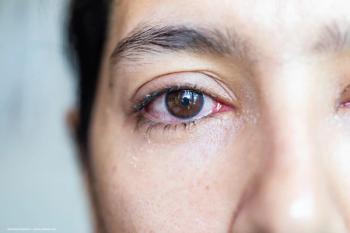
A team of investigators from Pohang University of Science and Technology has found that conjunctival goblet cell examination is important for the precise diagnosis and effective treatment of ocular surface diseases; however, CGC examination has not been possible until now due to lack of non-invasive devices.

Assessing cornea status can aid early recognition of disease-related changes.

A very-high-frequency ultrasound device provides a range of detailed intraocular measurements that enable highly accurate ICL sizing and placement.

Investigators theorize that the ophthalmic nerve may be affected by the COVID-19 virus, and therefore may affect the corneal esthesiometry values.