





Cataract
Latest News
Advertisement
Video Series








CME Content













Advertisement

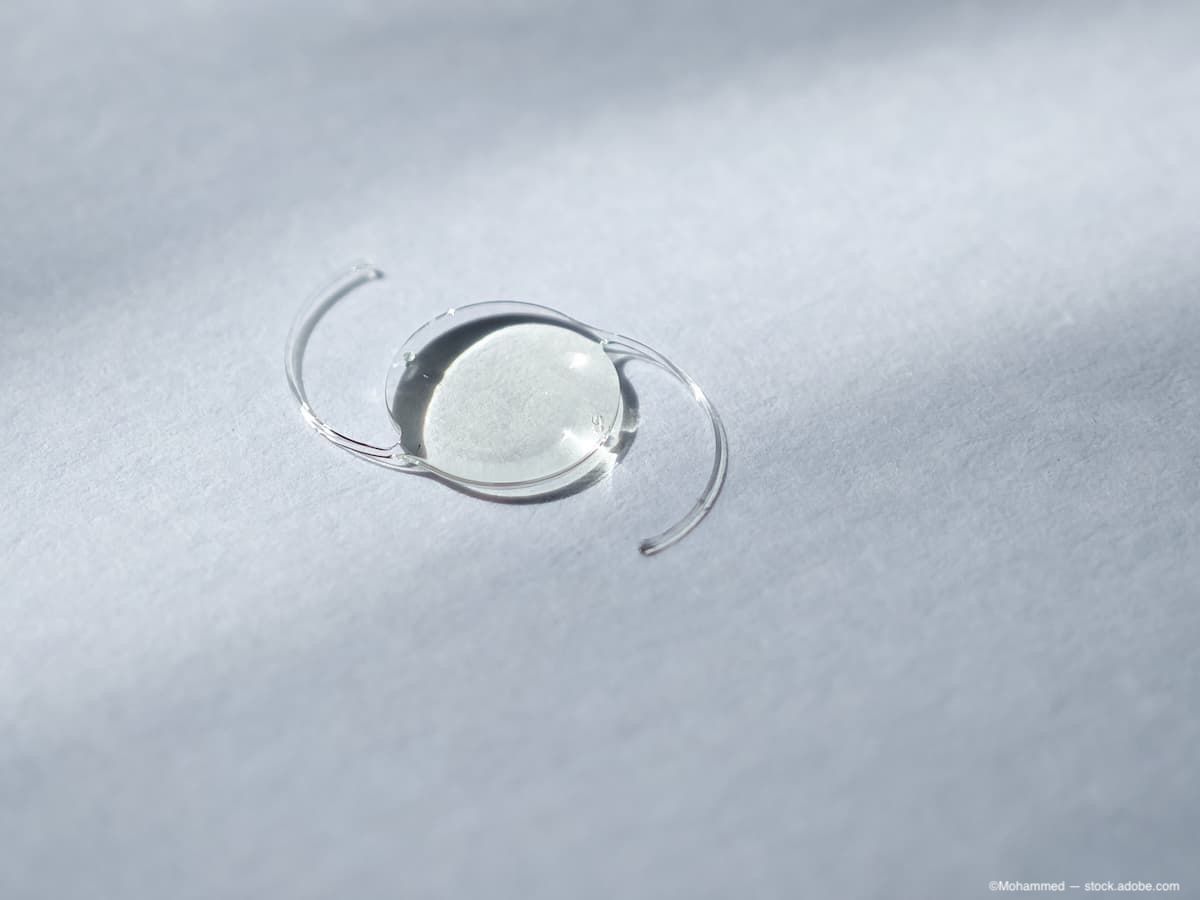
Alcon's Clareon Panoptix Pro IOL enhances cataract surgery with advanced light utilization and low visual disturbance.

Ophthalmologists discuss the most impactful advancements reshaping patient care over five decades.

In honor of Ophthalmology Times’ 50th anniversary, anterior segment surgeons attending ASCRS 2025 weigh in on the innovations that defined modern ophthalmology.
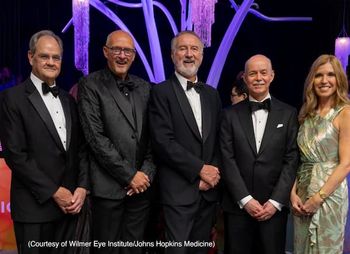
From Nobel laureates to AI-driven research, the Wilmer Eye Institute honors a century of transforming vision science and care.

Q&A: Kira Manusis, MD, on how the Center for Refractive Solutions is redefining patient care at NYEE
As its director, Manusis outlines the facility’s role in delivering advanced, personalized solutions to improve vision and patient experience.

Changing demographics and increasing trial complexity present challenges and opportunities.

Patients in Ontario expose illegal user fees for cataract surgeries in private clinics, urging government action to uphold the Canada Health Act.

The center aims to optimize patients' vision with a range of cataract and corneal refractive procedures and minimize reliance on glasses and contacts.

The rationale for the study under discussion is that the experience level of the operating surgeon is a potential factor affecting the outcomes of all ophthalmic procedures, including ISBCS

FDA noted that the US phase 2 trial may serve as 1 of the 2 pivotal trials required for NDA filing.

Prevent Blindness offers resources for Cataract Month, empowering patients and caregivers with knowledge on cataracts and surgery options.
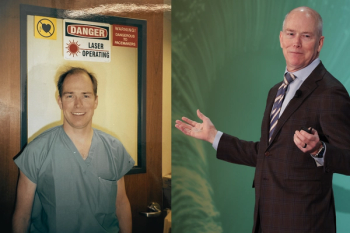
Following his keynote address at Controversies in Modern Eye Care, Dr. Maloney said he will be leaving his surgical practice and returning to research.

A significant proportion of cataract surgery patients exhibit hyperosmolar tear film both before and 1 month after surgery, underscoring preoperative screening and postoperative management to optimize visual outcomes.
A panelist discusses how he managed a 57-year-old tennis player with dry eye and Hashimoto thyroiditis by selecting a Toric enVista IOL for her refractive lens exchange, noting the patient’s satisfaction despite a temporary market recall of the lens.
A panelist discusses how he successfully treated a complex case of a 72-year-old patient with previous radial keratotomy by using an innovative combination of an Apthera lens in the bag and a light adjustable lens in the sulcus as a primary piggyback.
A panelist discusses how ophthalmologists face challenges with Generation X patients who desire spectacle independence after laser vision correction, highlighting the difficulties in intraocular lens calculations and epithelial irregularities following previous refractive surgeries.

Discover how real-world evidence shapes cataract surgery practices, highlighting user satisfaction with enhanced monofocal IOLs at the 2025 ASCRS Annual Meeting.

Discover how dropless cataract surgery enhances patient comfort and outcomes, reducing the need for eye drops and improving recovery efficiency.

Verana Health’s newly launched Qdata Cataract offers a comprehensive dataset to improve outcomes, reduce complications and enhance IOL technology.

A machine learning model using treated astigmatism and other nuanced inputs can significantly improve the accuracy and personalization of arcuate keratotomy planning

Alex Hacopian, MD, highlights how a recent ambispective study demonstrated strong visual acuity outcomes and patient satisfaction following bilateral implantation of an advanced presbyopia-correcting intraocular lens.
A study reports minimal rotation and improved near vision following implantation of the Eyhance toric lens.

Sheng Lim, MD, FRCOphth, discussed the CONCEPT study, which compared standalone cataract surgery to cataract surgery with ECP.

George O. Waring IV, MD, FACS, discusses the “vision for a lifetime” approach and how modern advancements allow tailored treatments for every stage of eye maturity.
Advertisement
Advertisement
Trending on Eye Care Network - Ophthalmology Times
1
Brepocitinib meets all Phase 3 end points in noninfectious uveitis
2
Matching artificial tears to dry eye phenotype: a Q&A with Omur Ucakhan, MD
3
Demodex blepharitis: Diagnosis, treatment response, and recurrence
4
SpyGlass Pharma's BIM-IOL System holds 37% IOP reduction at 4 years in first-in-human trial
5