




Cataract
Latest News
Advertisement
Video Series







CME Content












Advertisement

Aflibercept briefly reverses severe ROP in tiny preemies, yet nearly half relapse within weeks—prompting laser rescue and renewed safety questions.

See which ophthalmology surgery centers earn US News’ 2026 high-performing badge, where they cluster, and why complication rates drop 40%.

The planned phase 3 trial will evaluate the triamcinolone acetonide injectable for managing inflammation and pain after cataract surgery.

Revisyon is described as a device-led therapy that applies specific wavelengths of low-level LED light to the crystalline lens through a non-invasive, in-clinic procedure.

Looking back on 2025, Neda Shamie shares how a challenging monocular patient reinforced the importance of patience, presence, and psychological support in ophthalmic care.

A phase IV study in China found that 22 of 26 patients achieved complete healing of a persistent corneal epithelial defect or corneal ulcer after 8 weeks.

Leading cataract surgeons discuss their comprehensive approach to IOL counseling, exploring how they bridge expectation gaps and tailor premium lens strategies to each patient's unique anatomy, goals, and lifestyle.


Surgeons explore innovative cataract surgery techniques that significantly lower intraocular pressure while ensuring patient safety and comfort.

Surgeons reflect on milestones that have redefined patient care—and share a glimpse of the advances that promise to shape the next era of eye health.

Marking 5 decades of Ophthalmology Times, clinicians share the innovations that defined their training, shaped patient outcomes, and continue to push the field ahead.

Surgeons weigh in on emerging surgical technologies, premium lens trends, and strategies to optimize patient satisfaction and safety.

Neda Shamie, MD, recounts a humbling experience performing cataract surgery in Honduras using older-generation phaco machines, revealing how technology elevates both skill and patient care.

Explore the groundbreaking advancements in ophthalmic technology from the 1980s and 1990s, including excimer lasers, LASIK, and innovative imaging techniques.

FDA clears BVI’s FineVision HP trifocal IOL for the US market
Published: | Updated:
The approval of the third-generation trifocal intraocular lens broadens the range of advanced lens options available for patients in the US.

From lasers to lenses, the 1970s redefined vision care through breakthroughs in surgery, imaging, and therapeutics.

The Polaris platform is the world’s first AI-supported and robotics-enabled surgical system developed specifically for ophthalmology, according to the company.

A stepwise guide to optimize astigmatism management in cataract surgery

Canadian researchers reveal increased complications in cataract surgeries during the COVID-19 pandemic, highlighting risks and factors affecting outcomes.

Q&A: Robert H. Osher, MD, on how VR is changing the cataract conversation
Published: | Updated:
By letting patients “see” their options before surgery, virtual reality may eliminate confusion, boost confidence, and strengthen surgeon–patient trust.

Mark your calendars: On September 26 and 27, 2025, the Ophthalmology Times and Optometry Times EyeCon 2025 conference will convene at the Margaritaville Hollywood Beach Resort in Hollywood, Florida.

The studies compared the Unity Vitreoretinal Cataract System (VCS) to the Constellation Vision System and the Centurion Vision System with Active Sentry.

Q&A: Redefining cataract education for patients with virtual reality
Published: | Updated:
Immersive VR simulation helps patients better understand intraocular lens options.

Bausch + Lomb reveals promising results for the enVista Envy IOL, showcasing superior vision outcomes in cataract surgery patients.
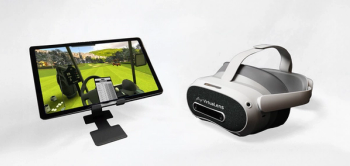
VirtuaLens introduces immersive VR IOL simulation platform; partners with Virtual Vision Health
Published: | Updated:
The virtual reality technology lets patients with cataract experience lens options in real-life scenarios, while a new strategic partnership aims to expand VR adoption.
Advertisement
Advertisement
Trending on Eye Care Network - Ophthalmology Times
1
Brepocitinib meets all Phase 3 end points in noninfectious uveitis
2
Matching artificial tears to dry eye phenotype: a Q&A with Omur Ucakhan, MD
3
Demodex blepharitis: Diagnosis, treatment response, and recurrence
4
SpyGlass Pharma's BIM-IOL System holds 37% IOP reduction at 4 years in first-in-human trial
5