

















In recognition of Cataract Awareness Month, Fasika Woreta, MD, MPH, discusses IOL options for cataract patients.
In recognition of Cataract Awareness Month, Fasika Woreta, MD, MPH, discusses IOL options for cataract patients.
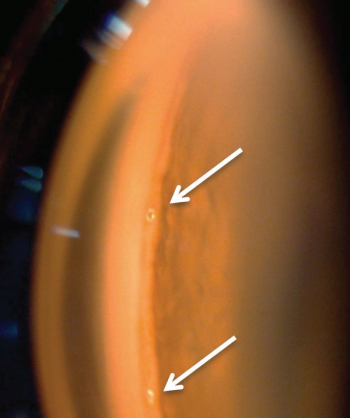
Retrospective review highlights the sustained efficacy of combination procedure.
In recognition of Cataract Awareness Month.

Lens option can correct for surgically induced astigmatism or an inaccurate position.
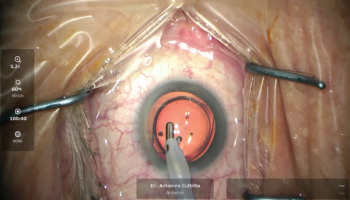
Bi-sign design compensates for aberrations resulting from misalignment.

Mark Packer, MD, offers personal insight in honor of Cataract Awareness Month.
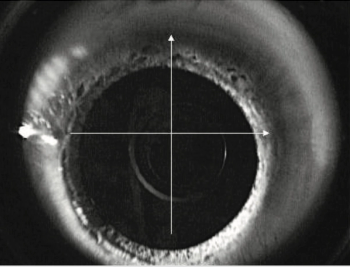
Procedure can improve best-corrected visual acuity, enhancing quality of life for patients.
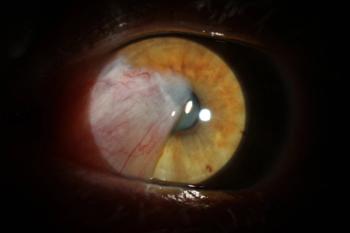
A recent study may indicate the need for future research to assess the relationship between pain and the anterior chamber depth.
Findings from retrospective study support intraoperative cefuroxime irrigation.
Short learning curve, significant clinical advantages make this a comfortable addition.

Surgeons learn that timing is everything when using technology.
Investigators find treatment is an option for treating open-angle glaucoma.
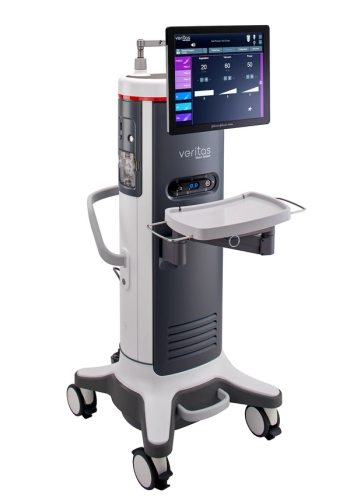
Johnson & Johnson Vision announced today that the FDA has granted 510(k) clearance and CE mark for its VERTIAST Vision System, a next-generation phacoemulsification innovation.

An alternative to drops, the option provides consistent therapeutic levels.

The method by which sedation is applied to keep patients relaxed and comfortable throughout cataract surgery can be tailored similar to that of anesthesia — surgical anesthesia is not a one size fits all endeavor.
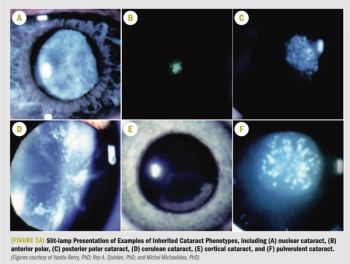
Several hundred genes are associated with congenital forms.
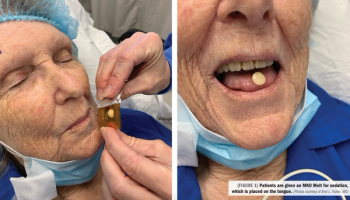
Sublingual troche sedation represents attractive anesthesia option for specific subset of patients with cataracts.
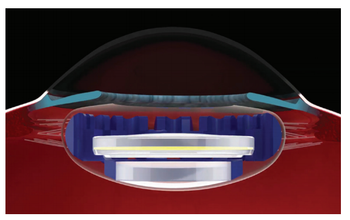
Lens offers full range of vision from distance through near vision.
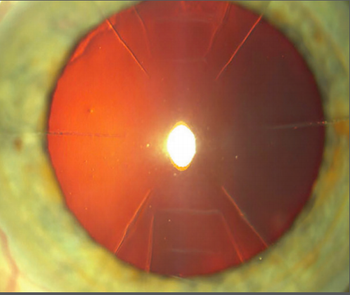
New option may prove to be a solution for cataract cases with unusual corneas.

Drinking alcohol on a regular basis may decrease patients’ chances of developing cataracts that require surgery, new research shows.
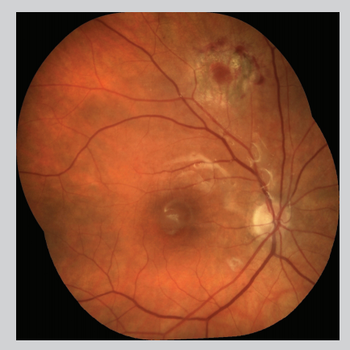

Visus Therapeutics announced today that FDA has approved its Investigational New Drug Application (IND) to move forward with the clinical development program for BRIMOCHOL
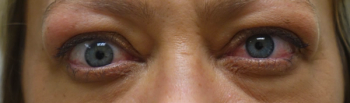
Patients show impressive proptosis and diplopia responses to teprotumumab.
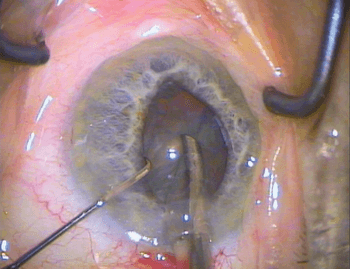
Cataract surgeons must consider medication history as part of preoperative evaluation.

Investigators find options could prove to be alternatives to surgical management.