

















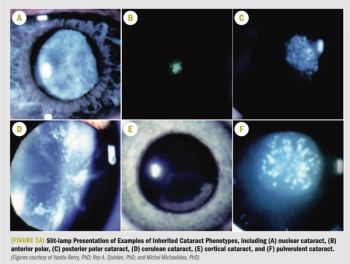
Several hundred genes are associated with congenital forms.
Several hundred genes are associated with congenital forms.
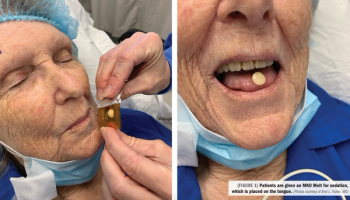
Sublingual troche sedation represents attractive anesthesia option for specific subset of patients with cataracts.
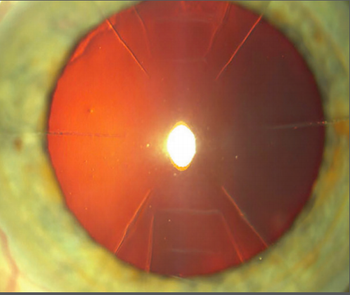
New option may prove to be a solution for cataract cases with unusual corneas.

Drinking alcohol on a regular basis may decrease patients’ chances of developing cataracts that require surgery, new research shows.
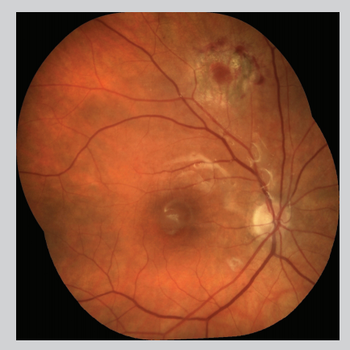
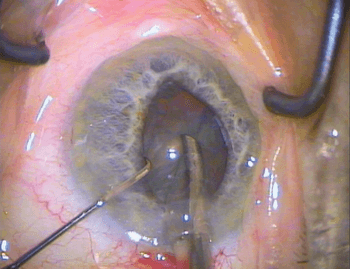
Cataract surgeons must consider medication history as part of preoperative evaluation.

Investigators find options could prove to be alternatives to surgical management.
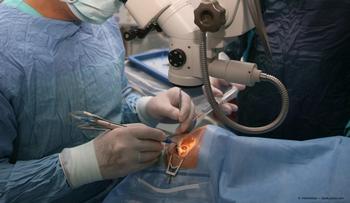
Physician pioneers technique offering higher perspective in surgery, outcomes.
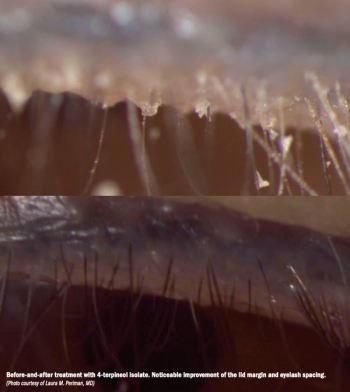
New options open possibilities for treatment, resulting in better outcomes for patients.
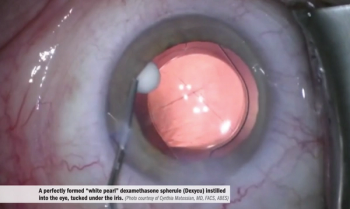
With intraoperative sustained release steroids, ophthalmologists can eliminate the gambles of patient adherence.
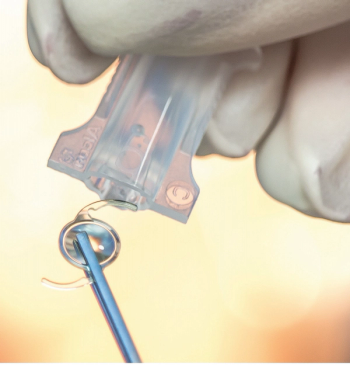
Procedure increases lens stability and improves visual acuity in patients.

Improvements gained prior to surgery can result in positive outcomes.

Richard Lehrer, MD, speaks on the highlights of a study analyzing the success of SLT after trabecular bypass stenting / phacoemulsification, presented during AAO 2020.
John A. Hovanesian, MD, discusses the highlights of his presentation on a clinical study evaluating dexamethasone vs prednisolone acetate 1% in controlling postop pain/inflammation in sequential cataract surgery patients.
Pandemic is driving — and accelerating — changes in how ophthalmic care is delivered to patients.
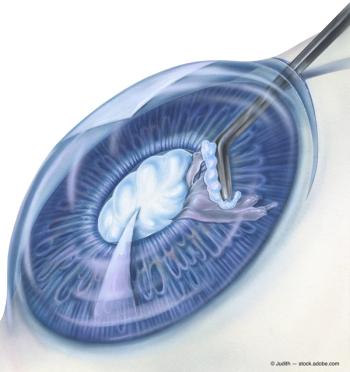
Innovations have made procedure quick, safe, effective.

Goniotomy-viscodilation cataract surgery controls IOP without medications.
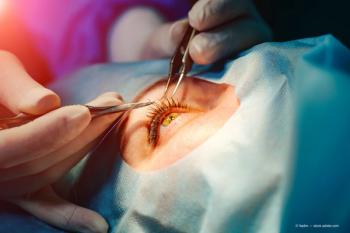
Advances in laser-vision correction provide visual results that often surpass 20/20.

Programs use detection and treatment to ease burden of eye disease.

Robert Weinstock, MD, presents data from a retrospective multicenter study focusing on the efficacy of dexamethasone intraocular suspension 9% delivered at the time of cataract surgery.
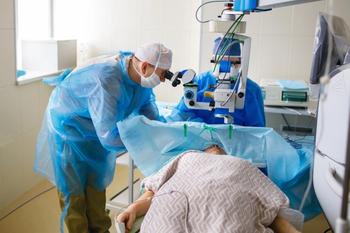
Speaking during the American Academy of Ophthalmology’s virtual 2020 annual meeting, Neal H. Shorstein, MD, explained how physicians at Kaiser Permanente have been using a prophylactic drop-free drug regimen before cataract surgery for more than a decade. Their regimen is so streamlined that the only drop that patients receive in anticipation of cataract surgery is a supplemental dilation drop instilled preoperatively while they are still in the holding area.

Rudy Nuijts of the University Eye Clinic Maastricht, the Netherlands, discusses the highlights of his AAO 2020 presentation on a combination treatment regimen for lowering the incidence of cystoid macular oedema following category surgery.
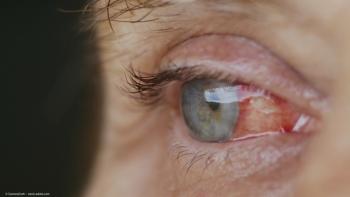
Elevated pressure can lead to irreversible optic nerve damage, vision loss
Optics block out-of-focus and stray light, allow continuum of vision.

Large randomized trial compares efficacy and safety of multiple regimens