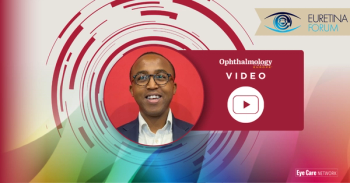
To mark the occasion, Lloyd Williams, MD, PhD, director of Duke Global Ophthalmology at Duke Eye Center in Durham, North Carolina, spoke with Ophthalmology Times about why cataract blindness continues to rise and how teams deliver high-quality surgery in low-resource settings. Williams received the American Academy of Ophthalmology's 2025 Outstanding Humanitarian Service Award for expanding access to cataract and corneal surgery in underserved regions.
Why is cataract-related blindness still rising?
Williams attributed the increase to aging populations in regions where ophthalmic care has not expanded, compounded by conflict and poverty that make many areas harder to reach. He cited a recent cataract camp in South Sudan.
"We literally had to negotiate a ceasefire in order to do cataract surgery," Williams told Ophthalmology Times.
How can readers support global eye care?
Williams highlighted several organizations working to expand access to eye care. Readers can donate or get involved through the following:
• Duke Global Ophthalmology: Give to Duke GO.³
• Cure Blindness Project: Donate; ophthalmologists and practices can also join its Global Partners Program.⁴
• IAPB: Individuals can become a Love Your Eyes Visionary, and organizations can apply for membership.⁵
• CBM (Christian Blind Mission): Donate.⁶
• Sightsavers: Donate or fundraise through Sightsavers USA.⁷
Can low-cost cataract surgery match outcomes in high-income settings?
On a recent trip to Abyei, surgery cost approximately $70 per case using manual small incision cataract surgery (MSICS), which requires a microscope as the only electrical equipment. In skilled hands, Williams said, MSICS achieves results roughly equivalent to those in the US. A $700,000 donation this year is expected to fund approximately 9000 surgeries, a volume he said would not be possible with phacoemulsification or laser-based approaches.
"I strongly believe that we're not providing somebody substandard care," Williams said.
How does restoring sight affect mood and cognition?
Williams also addressed studies linking cataract surgery to lower rates of dementia diagnosis, which cannot yet establish cause and effect. He recalled veterans whose anxiety and depression appeared to improve after surgery during his residency, and he said he discusses the cognitive benefits of sight with families of older patients. Reflecting on his own vision problem as a resident, he described sight as "something that you could lose just like your arm."