

Opinion|Videos|November 18, 2026
Navigating Payer Requirements in wAMD
Step-therapy mandates, formulary restrictions, and gaps in copay assistance continue to constrain first-line anti-VEGF selection in neovascular AMD, making practice-level access strategies essential to individualized care.
Advertisement
This episode, titled "Navigating Payer Requirements in wAMD," features panelists comparing how insurance policies shape treatment decisions across their practice settings. For many patients with wet age-related macular degeneration (wAMD), insurance coverage rather than clinical judgment determines the first injection they receive. Dr. Kitchens, who practices in both Kentucky and Colorado, calls payer policy decisive and explains that he reassures patients facing tiered therapy that compounded bevacizumab is a reliable drug, even if it may require more frequent injections before an appeal succeeds. He identifies a growing problem beyond step therapy: patients whose drug is covered but who cannot afford the remaining copay, a challenge he sees particularly among Medicare and Medicare Advantage patients as foundation assistance has tightened.
Dr. Javaheri encounters less step therapy in his market but notes patient frustration when insurers dictate treatment. He credits a knowledgeable, persistent office team as the most important asset, arguing that aggressive advocacy can change insurer decisions more often than clinicians expect. Dr. Kim describes working within the rules while running benefits investigations to know when a switch becomes possible. With a low threshold to switch and a strong team handling approvals, she usually reaches her preferred agent, and for high-risk patients she may use samples initially before transitioning to the covered therapy. Dr. Dhoot shares his reservations about compounded bevacizumab, citing concerns with compounding quality and silicone oil, and notes that capitated plans can extend step requirements. Dr. Kitchens finds peer-to-peer reviews the most effective route, supplemented by patient letters to insurers and, when needed, imaging that documents a better response on an alternative agent. The panel underscores that navigating access is now a core clinical skill in retina practice. In the next episode, "Understanding the Evolving Anti-VEGF Landscape in wAMD," panelists will review the anti-VEGF agents now available and the mechanistic differences that guide their selection.
Advertisement
Related to this article

In this Q&A, Ping Moore, OD, covers emerging dry eye therapies, from selenium sulfide to next-gen cyclosporine, and how subtype-guided care shapes treatment choices.

Ophthalmology is projected to face one of the steepest physician shortages of any subspecialty by 2038.

Two investigational pipeline therapies take aim at the root causes of dry eye disease

The RMAT designation opens the door to a faster development pathway for EO2002 as a minimally invasive alternative to corneal transplantation, while Emmecell also advances a cell therapy for geographic atrophy.
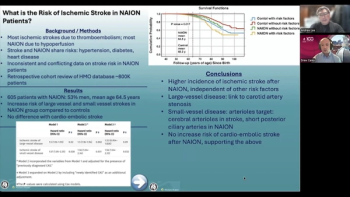
Andrew G. Lee, MD, and Drew Carey, MD, discuss findings from a retrospective study examining ischemic stroke risk in patients with non-arteritic anterior ischemic optic neuropathy and the implications for vascular risk factor management.

Length and width, not thickness, emerge as key drivers of higher-order aberrations.

What the approval of a second targeted biologic means for patients, practice, and the evolving TED treatment landscape

Three real-world cases illustrate strategies to identify and manage GA across a range of scenarios, from coexisting wet age-related macular degeneration to functionally monocular patients.
Advertisement
Advertisement
Trending on Eye Care Network - Ophthalmology Times
1
Johnson & Johnson to acquire Ollin Biosciences in deal worth up to $3.3 billion
2
Dazodalibep data put Sjögren screening in focus for ophthalmologists
3
Q&A: What the FDA’s class-wide NAION warning on GLP-1s means for eye care
4
The important role of midface support in undereye rejuvenation
5