
Positive findings in a gene therapy trial for patients with Leber Congenital Amaurosis Type 5.
Positive findings in a gene therapy trial for patients with Leber Congenital Amaurosis Type 5.

The FDA noted in the letter that it is unable to approve the application for ONS-5010/LYTENAVA (bevacizumab-vikg) in its current form for the treatment of wet AMD.

The letter noted the FDA is unable to approve the application for ONS-5010/LYTENAVA (bevacizumab-vikg) in its current form for the treatment of wet AMD, according to the company.

The letter noted the FDA is unable to approve the application for ONS-5010/LYTENAVA (bevacizumab-vikg) in its current form for the treatment of wet AMD, according to the company.


Oluwatosin U. Smith, MD, highlights the practical impact of expanding tools on real-world glaucoma treatment.

Daniela Ferrara, MD, PhD, FASRS, FARVO, discusses how data from low- and middle-income countries can strengthen US trials, improve equity, and inform innovation as the field looks toward 2026.

Concentric lens positioning of an adjustable lens helps avoid a late myopic shift.
An in-depth look at the FDA approvals and clinical milestones that defined 2025 and how they are poised to influence practice patterns moving into 2026.

The year introduced shifts in residency education, and program directors reflect on changes, challenges, and what’s next.
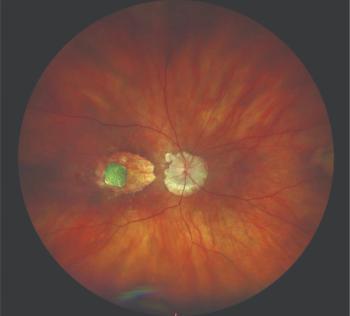
The novel system converts light into electrical signals to stimulate retinal cells.

A shift toward minimally invasive, evidence-based interventions is redefining standards of care.

Sahar Bedrood, MD, PhD; Inder Paul Singh, MD; and AnnMarie Hipsley, DPT, PhD, recount moments that blended professional milestones with mentorship and legacy.

Sezen Karakus, MD, highlights options including compounded cyclosporine, autologous serum drops, recombinant human nerve growth factor, and newer topical agents to manage refractory or neurotrophic dry eye.
An overview of the top 10 stories from Optometry Times in 2025.

Looking back on 2025, Neda Shamie shares how a challenging monocular patient reinforced the importance of patience, presence, and psychological support in ophthalmic care.

Strategies for treatment intervals, drug selection, and patient expectations.
From artificial intelligence to home monitoring, Joel Schuman, MD, of Wills Eye Hospital, explores the innovations that could change how clinicians detect and treat glaucoma in the new year.
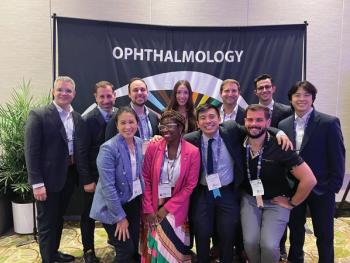
The value of attending industry meetings at the beginning of a career in ophthalmology.

Navigating the labyrinth of IRD research to identify objective, clinically meaningful outcomes.

Discover key insights from the AAO 2025 meeting, highlighting advancements in real-world data, gene therapies, multitargeting treatments, and AI in retina care.

As artificial intelligence tools become more common in research, students must navigate issues including plagiarism, data consent, and equitable application.


Panel examines drug mechanisms, patient factors, and strategies to optimize results.

Real-world insights guide the way to tailored treatment.

A trio of retina specialists recently reviewed the clinical benefits of aflibercept 8 mg, including its extended dosing intervals, improved patient satisfaction, and enhanced treatment outcomes for various conditions.


Alternative management may avoid current concerns found with antibiotics.