


A group of French researchers is hoping its work to develop an artificial retina will help blind people see again.
A group of French researchers is hoping its work to develop an artificial retina will help blind people see again.

Phase 2 trial of 0.3% minocycline microparticle suspension shows promise in dry eye diseases associated with Inflamed meibomian gland dysfunction

RegeneRx Biopharmaceuticals announces that its ARISE-3 Phase 3 clinical trial evaluating RGN-259 eyedrops did not meet its primary outcome measures.
According to a national study, serious vision issues among older Americans have dropped sharply, with the greatest improvement found among women, individuals over 85 and Black or Hispanic seniors.
Researchers at the Royal College of Ophthalmologists offer guidance on the impact of treatment delays in crosslinking (CXL) amid COVID-19 on patients with keratoconus.
Visus Therapeutics announced today that FDA has approved its Investigational New Drug Application (IND) to move forward with the clinical development program for BRIMOCHOL

Graybug Vision, Inc. has reported preliminary topline data from a 12-month treatment phase of its Phase 2b ALTISSIMO trial of GB-102 for the treatment of wet AMD.
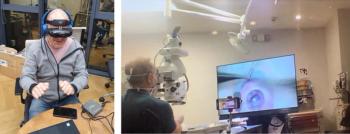
A Canadian artificial cornea clinical trial has been enhanced by a remote, real-time 3D HD video training solution.

The study will evaluate the safety and tolerability of the R:GEN laser in patients with early-stage age-related macular degeneration.

Citing an unstable supply chain, Pfizer is discontinuing the ophthalic drops.

George Marcellino, vice president of Iridex, is being remembered by colleagues as a man of substance.

Topcon Corp. will purchase exclusive rights to distribute Iridex Corp.’s retina and glaucoma products, while also acquiring a common equity stake in the company. Iridex will acquire Topcon’s PASCAL product line.

The FDA has accepted Oyster Point Pharma's New Drug Application (NDA) for its OC-01 (varenicline) nasal spray to treat dry eye disease.

Visits, elective procedures decreased as physicians responded to COVID-19 guidelines.
With funding from the National Eye Institute, the team of researchers will focus on developing a broad-spectrum immunomodulatory eye drop for patients dealing with dry eye and ocular surface disease stemming from inflammatory and immune system disorders.

The bulk of a $25 million gift from the Henry L. Hillman Foundation will drive vision care research and development through The Eye and Ear Foundation and the University of Pittsburgh Departments of Ophthalmology and Otolaryngology.
According to a survey by the Larry A. Green Center, in collaboration with the Primary Care Collaborative (PCC) and 3rd Conversation, primary care offers assets, including experience and relationships with patients.

Gene therapies to mitigate the effects of mutations that cause blindness are undergoing rapid development. Investigators have found that novel gene vectors reduce the risks associated with these procedures.
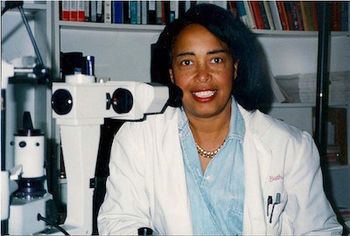
Dr. Bath could be the first African-American woman inducted into the Hall. As the first African-American woman to receive a medical patent, for the laserphaco probe, and the first woman to lead a post-graduate training program in ophthalmology, her experience is extensive.
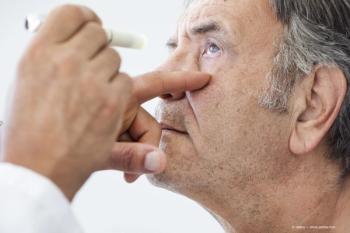
Findings from a new quality of life (QOL) assessment on thyroid eye disease (TED) indicate that the impact on patients extends well beyond its active phase and into the chronic phase.
The drop, formerly prescribed as Pazeo, joins Alcon’s over-the-counter ocular allergy portfolio to meet a variety of patient needs.

Applicants must submit an original essay focusing on how biologics are transforming regenerative medicine in eye care. The deadline to apply is March 12.

Biophytis will begin recruiting patients in France and Belgium for the second part of the COVA Study analyzing its leading drug candidate as a potential treatment for acute respiratory failure linked to COVID-19.
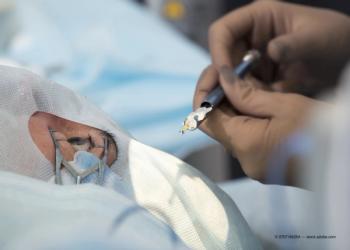
New World Medical relied on feedback from surgeons in the development of the device, which was registered with the FDA in October.

LumiThera has announced positive interim data in visual and ERG clinical outcomes in the ELECTROLIGHT pilot study in dry AMD patients.

To mark the 20th anniversary of its TECNIS IOLs, Johnson & Johnson Vision is launching the “See More” campaign to educate patients and physicians on what is possible with cataract surgery.

The session duration is 4 hours per week over the course of about 6 months, according to Jorge L. Alió, MD, PhD, FEBO, director of the course.
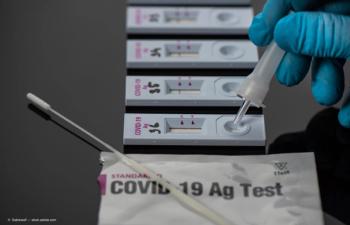
Rapid test allows healthcare professionals to make fast decisions at the point of care.

Investigators are studying the use of photobiomodulation in the treatment of dry age-related macular degeneration.
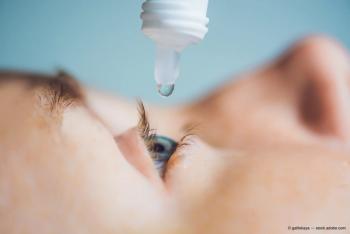
Following a successful Phase 2 study, a Phase 2/3 clinical trial for the compound is currently planned for mid-2021.