
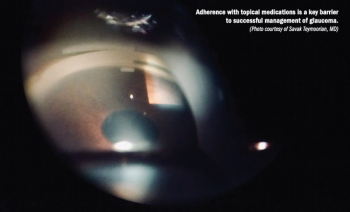
Sustained release helps mitigate disease progression without impacting quality of life.

Sustained release helps mitigate disease progression without impacting quality of life.
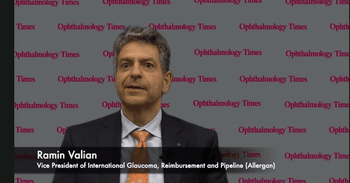
Pharmaceutical representatives share what keeps them up at night within the ophthalmic space.

Cynthia Matossian, MD, FACS, advises on how ophthalmologists can start performing a better diagnosis of ocular surface disease in three simple steps.

Technology with potential to improve treatment and evaluation of cortical visual impairment.

Check out the latest cartoon!

Large randomized trial compares efficacy and safety of multiple regimens
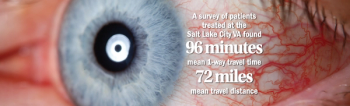
Streamlining preoperative process can offer some relief during stressful time

Hand washing is one of the key components in starving the COVID-19 virus. A team of investigators studied the importance of washing hands to slow the spread of the virus.

Ophthalmologists remain in touch with colleagues while maintaining social distancing

Fast-acting efficacious options are key to treating acute inflammation
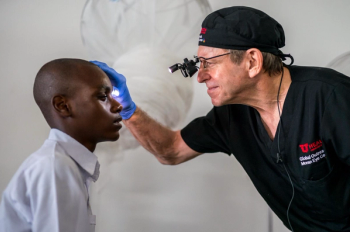
The ophthalmic community is mourning the loss of Alan S. Crandall, MD, a fixture at the John A. Moran Eye Center at the University of Utah for nearly four decades.

With three days of content, expo will kick off November 13. See page 6 of our October 1 issue: https://bit.ly/3iP5ERY
Queen Elizabeth II and the Countess of Wessex on Thursday marked World Sight Day during a video chat with the International Agency for the Prevention of Blindness and eye health professionals.
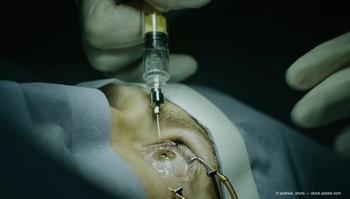
Study points to possible role of addressing preprocedural anxiety

Anne L. Coleman, MD, PhD, shares advice for others who are interested in pursuing a leadership role based on 5 dimensions of centered leadership.

Through donations and activism, industry leaders are educating the public on the importance of eye health as a survey finds many people understand importance of exams, but don’t always seek treatment.
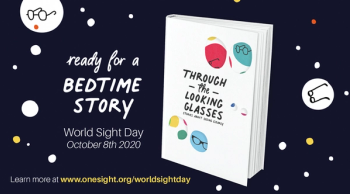
Selections from Through the Looking Glasses: Stories About Seeing Clearly will be read in a virtual setting to increase awareness of the importance of seeing clearly.

Canadian researchers have found that wearing a mask can have a significant impact on the spread of COVID-19.

John J. Grande, CFP, and John S. Grande, CFP, of Grande Financial Services, continue their discussion on how having a solid financial plan in place can ease anxiety amid the pandemic, their advice to ophthalmologists contemplating retirement, as well as the uncertainty surrounding the economy ahead of the 2020 election, ongoing virus, and the unknown of what's in store for 2021.

Cynthia Matossian, MD, FACS, explains why she believes if ophthalmologists consistently evaluate the ocular surface, tear film and lid margins—and treat any problems that we find—surgical outcomes will improve.
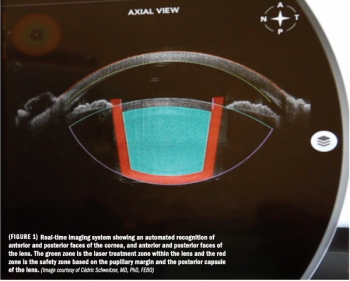
The FEMCAT study found that FLACS is not superior to conventional approach
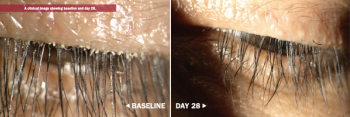

In study, treatment demonstrates promising biologic activity, safety profile
In study, treatment demonstrates promising biologic activity, safety profile

Primary care has yet to regain the strength it had before the COVID-19 pandemic, according to a study released recently by the Larry A. Green Center, a research organization, in collaboration with the Primary Care Collaborative.
The U.S. Department of Health and Human Services has announced $20 billion in new funding for providers on the frontlines of the coronavirus pandemic.
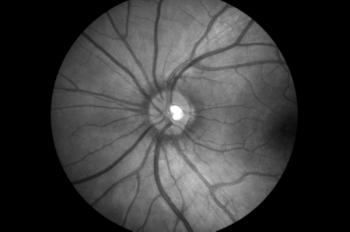
High-quality images can be useful for early diagnosis, prognosis, monitoring
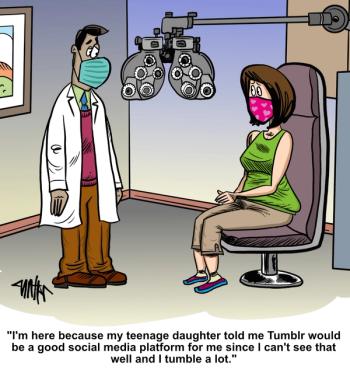
Check out the latest cartoon!
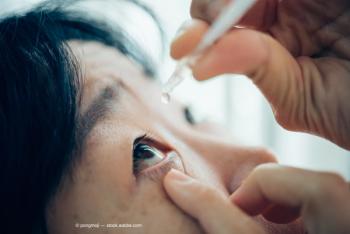
Initiating the treatment preoperatively was associated with better outcomes than if the artificial tears were used only after the procedure.