

Ocular Innovations debuts an option that delivers content touchpoints through a frictionless mobile experience.

Ocular Innovations debuts an option that delivers content touchpoints through a frictionless mobile experience.

Studies on nurse-led services find a low level of complications among patients.

Tarsus Pharmaceuticals kicks off Saturn-2, trial, which is designed similar to Saturn-1, first pivotal trial for TP-03. Topline data from Saturn-1 is expected in July.

According to Applied Genetic Technologies Corp., groups 5 and 6 had a 50% response rate among patients who met the inclusion criteria for the Skyline and Vista trials.

New operating procedures ensure eye clinics can operate safely amid virus.

Ophthalmologist details his preferred technique to avoid complications during procedure.
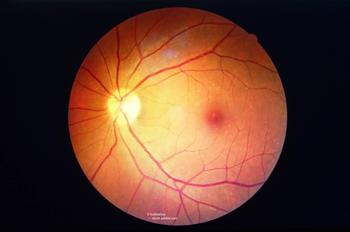
According to Lloyd Paul Aiello, MD, PhD, a key hurdle for diabetic retinopathy is the lack of patient awareness, which is a substantial contributor to non-adherence to eye care guidelines and poor outcomes.

Investigators use an adeno-associated viral vector in a clinical trial to deliver a normal functioning copy of the RPGR gene via subretinal injection.
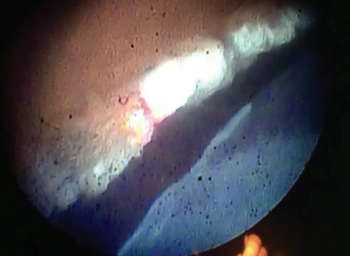
Short learning curve, significant clinical advantages make this a comfortable addition.
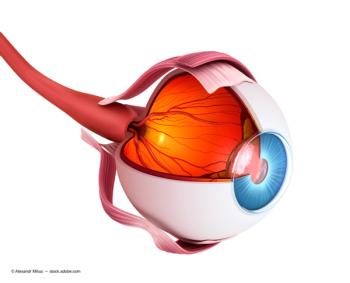
IOP-controlling protein in the trabecular meshwork may get the fluid moving.

A non-viral gene therapy sustained drug-delivery product that delivers anti-VEGF to the eye may replace the need for repeated intravitreal anti-VEGF injections and improve vision in patients diagnosed with wet AMD.

According to Sandoz, it will begin enrolling the first patients in MYLIGHT, a clinical Phase III confirmatory efficacy and safety study.

Logan Vander Woude, DO, MPH, examines research on improved resolution of symptomatic vitreomacular traction as an attempt to further refine the potential factors predictive of better outcomes.

Robyn Guymer, PhD, MBBS, highlights the latest trial results for faricimab, the first bispecific antibody designed for intraocular use in treating patients with neovascular age-related macular degeneration.

Approach can unravel causes in MYOC and TBK1 glaucoma.

Bryce Buchowicz, MD, outlines roadblocks to timely diagnosis of central retinal artery occlusion and treatment with tissue plasminogen activator.

During ARVO 2021, Sunil Srivastava, MD, points out that optical coherence tomography characteristics may be predictive of the efficacy of the injections.

At ARVO’s 2021 virtual annual meeting, John Wells, MD, presents efficacy, durability, and safety findings from the phase 3 YOSEMITE and RHINE trials.
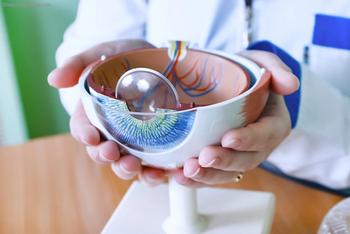
According to Jessica Liu, patients with BRVO or CRVO with any lapse in treatment of 3 months or longer are at risk for poorer outcomes.
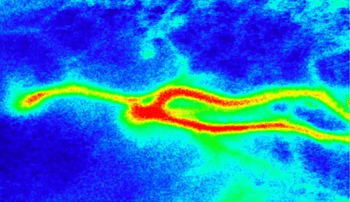
Investigators found that non-invasive ocular blood flow measurement using laser speckle flowgraphy may be a new indicator of shock-related organ damage.

Investigators review changes in ocular anterior segment blood flow and temperature after treatment of patients with meibomian gland dysfunction.
After more than a decade at the helm of the American Academy of Ophthalmology as its CEO, David W. Parke II, MD, has announced that he will be stepping down from the position.

Surgeons learn that timing is everything when using technology.
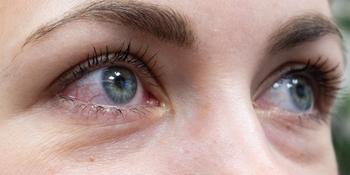
After receiving FDA approval for its IPL device, Lumenis Ltd. announced that it is launching OptiLight, a bright solution for dry eyes.

Clues to dangerous etiologies include pain and positive imaging findings.

A residency applicant shares his perspective on the pandemic’s impact.

Preexisting neutralizing antibodies associated with the inflammatory changes.
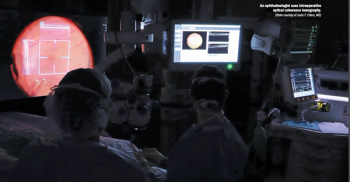
Advances in integrative technology enable a transition to the operating room.

Patients are serious about procedure and ready to move forward.
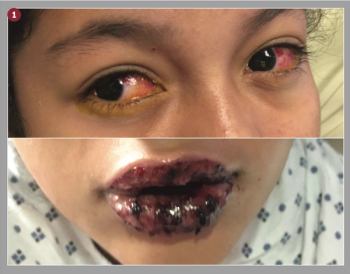
Aggressive lubrication combined with topical steroids, antibiotics boosts chances of recovery.