
Rich Small, CEO of Neurotech, provides updates on the company’s pipeline that is the culmination of nearly 2 decades of research.

Rich Small, CEO of Neurotech, provides updates on the company’s pipeline that is the culmination of nearly 2 decades of research.

The company this week is rolling out its Clareon family of IOLs, including Monofocal, PanOptix and Vivity options.

Goal-based retirement planning is different from longevity planning.

Ameet Goyal, MD, 58, recently pled guilty in the Southern District of New York to all charges for orchestrating a seven-year healthcare fraud scheme by falsely billing for millions of dollars of upcoded procedures, and also for fraudulently obtaining two government-guaranteed loans intended to help small businesses during the COVID-19 pandemic.

Traditional thyroid eye disease therapies with their sometime limited success are making way for new drugs with the potential to provide sustained benefits for patients, according to Erin Shriver, MD.

In advance of World Glaucoma Week March 6-12, a study of 3826 patients with glaucoma has found significantly higher odds of self-reported difficulty affording medication observed among non-Hispanic African American and Hispanic individuals compared with non-Hispanic White individuals.
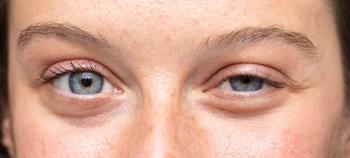
Oculoplastic surgeons are experts at ptosis surgery. However, surgery is not for everyone, according to Andrea Kossler, MD.
The company notes that the system’s design includes a small footprint, enhanced ergonomics, superior imaging, dual-pulsed laser, and advanced astigmatism management tools.

The company’s new technology, which targets the eye’s conventional outflow pathway, is expected to have full commercial availability on April 1.

Christina Y. Weng, MD, MBA, an associate professor of ophthalmology and surgical retina fellowship program director at Baylor College of Medicine in Houston, recently shared some standout therapies for macular degeneration.

A team of investigators found that sigma 1 receptor, which is known to protect cells from stress, could turn out to be key to the function and survival of the neurons most impacted by glaucoma.

The glaucoma toolbox is expanding to include laser, drug delivery systems, and minimally invasive glaucoma surgery.

New World Medical notes that the intuitively designed Streamline features ClickPulse technology that targets the eye’s conventional outflow pathway.

The companies note that the partnership will propel Ray Therapeutics’ lead optogenetics gene therapy to Phase 1-2 clinical trials.

The eye care nonprofit has continually harnessed the power of innovation to reach new heights in the fight against avoidable blindness.
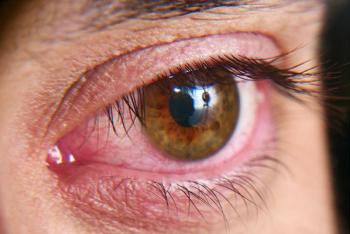

The group is offering free sight-savings resources to employees and their employers.
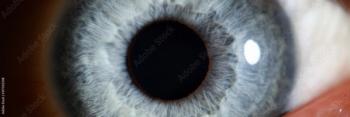
This novel surgical system could dramatically improve outcomes for patients with glaucoma with its remarkable level of precision that is unachievable during standard glaucoma surgery.

According to the U.S. Department of Health and Human Services, nearly $19 billion in total aid has been distributed to providers since November.

The company expects to have topline proof of concept data by the end of the first quarter of the year.

Aleksandra Rachitskaya, MD, discusses how the treatment landscape for inherited retinal diseases has changed and her hope for the future.

TearSolutions Inc. is preparing to conduct two trials, one in a primary Sjögren’s Syndrome patient population and the second in a potentially less severe general dry eye population for the treatment of DED.

In a blog, Mackenzie Andrews, the CCO and a co-founder of Nanodropper, discusses the need to update policies on single-use and early disposal of eyedrops.

Cynthia Matossian, MD, FACS, ABES, points out that there has been confusing news lately about what is (and is not) covered by Medicare when it comes to in-office treatments for meibomian gland dysfunction.

The organization uses its Eyes on Capitol Hill program to educate lawmakers and their staff on a variety of vision health issues, including vision health inequities, the need for improved vision surveillance, the impact of community eye health programs, and disparities in access to affordable eyecare services.

Investigators at Trinity College Dublin have highlighted the SARM1 gene, a key driver in the damage that ultimately leads to impaired vision.

Investigators conducted a study of the ocular findings in infants with congenital Zika virus syndrome that showed the findings were similar and occurred frequently among the affected infants.
KSI-301, a therapy for patients with nAMD, did not meet the primary endpoint of showing non-inferior visual acuity gains compared to aflibercept given every eight weeks, however it was safe and well tolerated with no new or unexpected safety signals.

Investigators at the Eye Clinic, Department of Medicine, Surgery and Health Sciences, University of Trieste, Trieste, Italy, found that the appearance of the retina and optic disc was associated with the SARS-CoV-2 virus.