


Surgery
Latest News
Advertisement
Video Series






CME Content








Advertisement

A study reveals that cryopreserved amniotic membrane enhances recovery and reduces infection risk in post-corneal cross-linking patients.

Marking 5 decades of Ophthalmology Times, clinicians share the innovations that defined their training, shaped patient outcomes, and continue to push the field ahead.

Host Deborah Ristvedt, DO, is joined by Marguerite B. McDonald, MD, FACS, to discuss her journey with pioneering contributions to ophthalmology, patient-centered care, leadership, and guidance for the next generation.

Marguerite B. McDonald, MD, FACS, reflects on a first-year residency case that taught her the importance of trusting her instincts and advocating for patient safety.

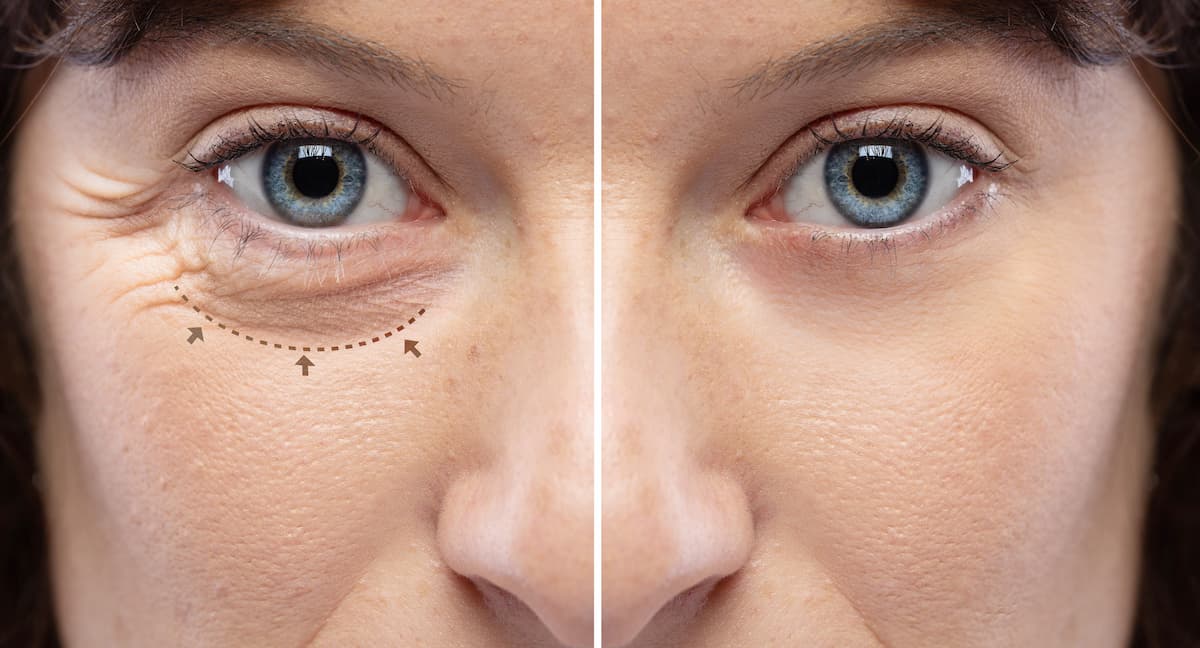
Dr. James Chelnis explores innovative energy-based technologies in aesthetic facial surgery, emphasizing safety, personalized treatments, and future advancements in patient care.

Ophthalmologists discuss topography-guided techniques, long-term corneal health, and emerging technologies set to transform refractive surgery.

Deborah Ristvedt, DO, recalls a retinal detachment repair that took an unexpected turn, teaching lasting lessons in patient awareness and surgical presence.

Peter J. McDonnell, MD, reflects on his early experience managing bullous keratopathy with penetrating keratoplasty and how advances like DMEK have transformed outcomes across corneal, refractive, and cataract surgery.

Surgeons weigh in on emerging surgical technologies, premium lens trends, and strategies to optimize patient satisfaction and safety.

From MIGS integration to remote monitoring and next-generation therapeutics, glaucoma specialists explore how new approaches are redefining patient outcomes.

Oluwatosin U. Smith, MD, reflects on early experiences caring for pediatric patients with complex glaucoma and how evolving tools and advancing science have reshaped treatment options over the decades.

As a US clinical investigator, Wiley shares his insights on the FineVision HP trifocal lens, highlighting patient visual outcomes, satisfaction, and its impact on cataract surgery practice.

Cases show improved clarity, astigmatism masking, and versatility in complex eyes.

Neda Shamie, MD, recounts a humbling experience performing cataract surgery in Honduras using older-generation phaco machines, revealing how technology elevates both skill and patient care.

Innovations in surgery, biologics, and AI are shaping the future of eye aesthetics.

Inder Paul Singh, MD, shares a formative experience in which a patient’s vision loss—and their unexpected gesture of comfort—shaped his approach to high-risk glaucoma care.

FDA clears BVI’s FineVision HP trifocal IOL for the US market
Published: | Updated:
The approval of the third-generation trifocal intraocular lens broadens the range of advanced lens options available for patients in the US.

The epithelium-on cross-linking modality is designed to enable simultaneous, bilateral keratoconus treatment, according to Epion Therapeutics.

A young surgeon reflects on training, technology, and the human side of adopting new excimer laser platforms.

A stepwise guide to optimize astigmatism management in cataract surgery

Q&A: Robert H. Osher, MD, on how VR is changing the cataract conversation
Published: | Updated:
By letting patients “see” their options before surgery, virtual reality may eliminate confusion, boost confidence, and strengthen surgeon–patient trust.


Q&A: Redefining cataract education for patients with virtual reality
Published: | Updated:
Immersive VR simulation helps patients better understand intraocular lens options.
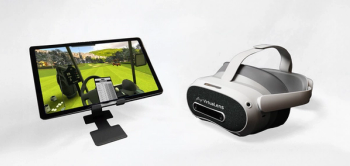
VirtuaLens introduces immersive VR IOL simulation platform; partners with Virtual Vision Health
Published: | Updated:
The virtual reality technology lets patients with cataract experience lens options in real-life scenarios, while a new strategic partnership aims to expand VR adoption.
Advertisement
Advertisement
Trending on Eye Care Network - Ophthalmology Times
1
Laru-zova meets primary endpoint in pivotal VISTA trial for X-linked retinitis pigmentosa
2
EyeCon 2026: ODs and MDs pull up a chair
3
Addressing geographic variation in dry eye disease care requires patient-centric approaches
4
How screen time and eyelid health affect dry eye risk
5