


Commentary|Podcasts|February 2, 2026
The Residency Report: PreserFlo microshunt vs trabeculectomy—five-year trial insights
Fact checked by: Sheryl Stevenson
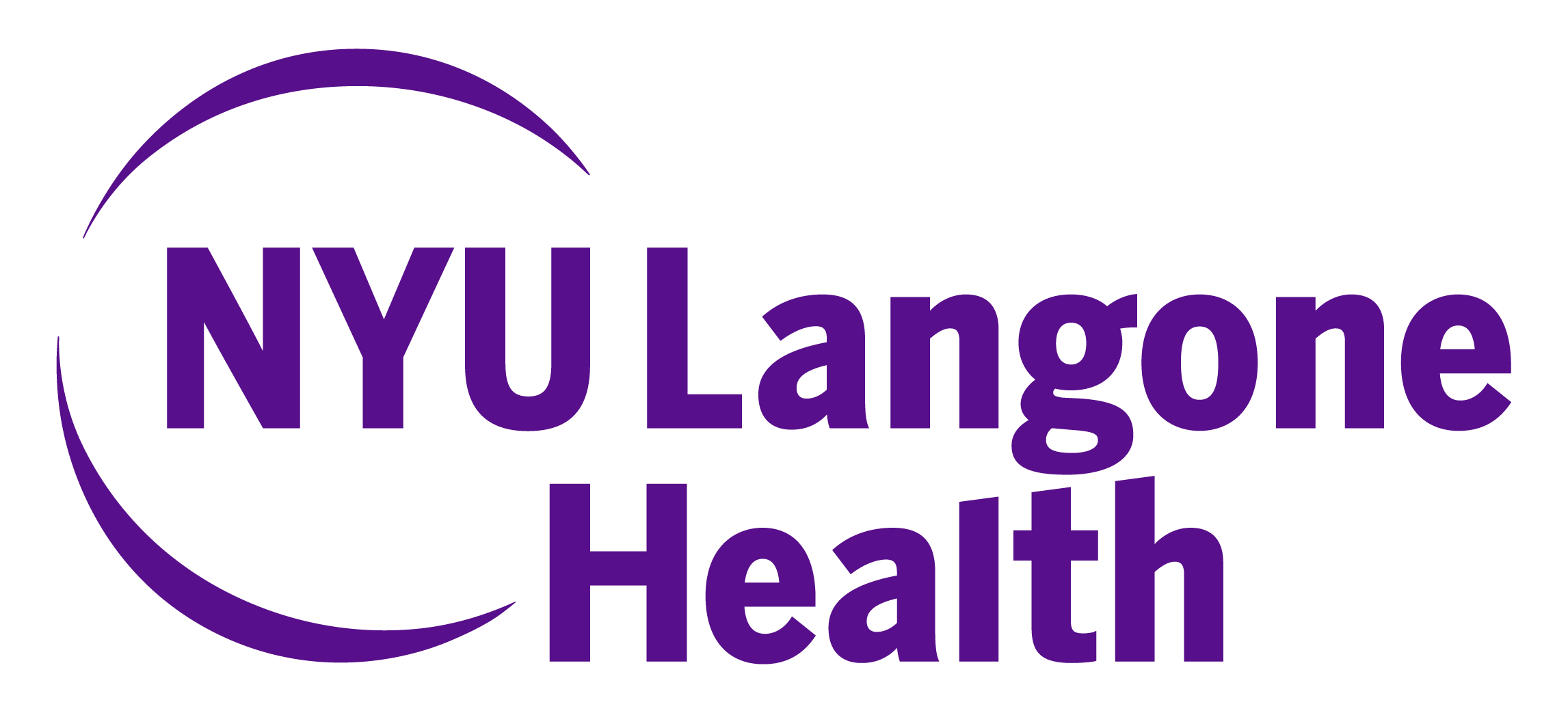
NYU Grossman’s Preeya Mehta, MD, and Jonathan S. Williams, MD, sit down with Mount Sinai’s Louis R. Pasquale, MD, to discuss long-term safety and efficacy data from a PreserFlo microshunt trial and the role of microshunts in glaucoma surgery.
Advertisement
Episodes in this series
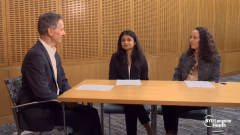


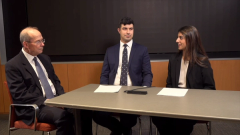

In this installment of
The discussion focuses on a 3-year observational extension of a 2-year randomized trial comparing the PreserFlo MicroShunt with trabeculectomy, with an emphasis on long-term safety and effectiveness outcomes.1 The panel addresses key clinical questions regarding ideal patient selection, expected intraocular pressure (IOP) targets, and how the device may fit into the current glaucoma surgical treatment paradigm.
Pasquale notes that the 5-year data provide a valuable window into long-term outcomes and suggest that the device can be effective for patients with target pressures around 15 mm Hg, emphasizing that not all patients require single-digit IOPs. The panel contrasts the device with trabeculectomy, highlighting that microshunts occupy a distinct role in practice and may require adjunctive medications, underscoring the importance of preoperative counseling.
Surgical technique, mitomycin C, and the learning curve
The conversation also explores surgical technique and mitomycin C dosing, with Pasquale noting that the study’s concentration of 0.2 mg/mL was appropriate given the moderate severity of glaucoma in the study population and the need to balance efficacy with late-onset complications such as conjunctival retraction or extrusion. The panel discusses the learning curve associated with new surgical procedures and anticipates that outcomes may evolve as surgeons gain experience and share best practices.
A central theme is the continued role of trabeculectomy, which the panel agrees remains the only procedure capable of reliably achieving single-digit IOPs, despite its higher risk profile and technical demands. The device may be positioned as a less invasive option that may serve as an intermediate step before glaucoma drainage devices, with the advantage of preserving surgical real estate for future interventions.
Looking forward, the panel emphasizes the importance of longer-term data beyond 5 years to understand tissue responses such as Tenon’s encapsulation and long-term device performance. They conclude by framing glaucoma surgery as a continuum of tools with finite lifespans, reinforcing the concept of tailoring surgical strategies over time to maintain vision throughout a patient’s life.
Reference
Scheres LMJ, Kujovic-Aleksov S, Winkens B, de Crom RMPC, Webers CAB, Beckers HJM. Five-year follow-up with the PreserFlo MicroShunt for open-angle glaucoma. Eye (Lond). 2025;39(8):1540-1546. doi:10.1038/s41433-025-03707-3
Advertisement
Related to this article

A retrospective study finds that direct selective laser trabeculoplasty significantly lowers intraocular pressure, with the greatest benefit seen in treatment-naive eyes.

Douglas D. Koch, MD, and Karolinne Maia Rocha, MD, PhD, discuss the optics behind enhanced monofocal lenses, patient selection, and how to set expectations.
Andrew G. Lee, MD, and Drew Carey, MD, discuss findings from a retrospective study examining ischemic stroke risk in patients with non-arteritic anterior ischemic optic neuropathy and the implications for vascular risk factor management.

A large real-world cohort study finds OSA is associated with elevated glaucoma risk, though whether positive airway pressure therapy itself plays a role remains unclear.

Bayer acquired Perfuse Therapeutics and its experimental endothelin-blocking eye implant PER-001, and partnered with AI firm Iambic Therapeutics to accelerate small molecule drug discovery.

Their conversation covers a holistic, cross-specialty approach to ocular surface disease and the unmet need driving a new model of dry eye care in Ireland.

In this Q&A, Ping Moore, OD, covers emerging dry eye therapies, from selenium sulfide to next-gen cyclosporine, and how subtype-guided care shapes treatment choices.

Ophthalmology is projected to face one of the steepest physician shortages of any subspecialty by 2038.
Advertisement
Advertisement
Trending on Eye Care Network - Ophthalmology Times
1
Uveitis: a practical guide for ophthalmologists and optometrists
2
FDA approves phentolamine ophthalmic solution 0.75% (Ryzumvi) for presbyopia
3
Varicose veins linked to central serous chorioretinopathy in large cohort study
4
The One Thing: Teaching, optic nerve regeneration, and retina trainees | Episode 2
5