






Retina
Latest News
Advertisement
Video Series








CME Content













Advertisement

The Part B dose-expansion portion is evaluating SB-007 for the treatment of Stargardt disease.

Optoretinography is an emerging technology used to test light-evoked photoreceptor activity.

Their conversation focuses on anatomy-driven, individualized approaches and multidisciplinary decision-making for patients with neovascular glaucoma.
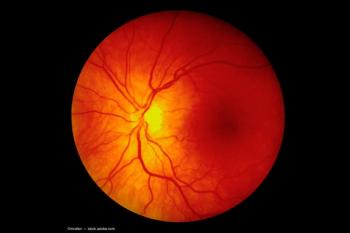
OCTA shows deep retinal vessel density mirrors thyroid eye disease activity, tying orbital inflammation and muscle thickening to improved monitoring.

Researchers uncover a DNA repair mechanism in Greenland sharks that preserves their vision for centuries, offering insights into longevity and eye health.

According to the company, the FDA’s decision was supported by visual function results from the phase 2 ACUITY trial in ON.

Jennifer E. Thorne, MD, PhD, discusses evidence from the ADJUST trial, including relapse risk, retreatment success, and how clinicians should monitor children when considering adalimumab discontinuation.
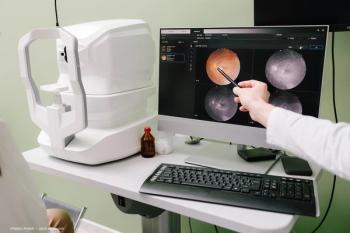
A recent study represents a step forward in investigations of the retinal layers as they are affected by glaucoma.

The letter noted the FDA is unable to approve the application for ONS-5010/LYTENAVA (bevacizumab-vikg) in its current form for the treatment of wet AMD, according to the company.

An in-depth look at the FDA approvals and clinical milestones that defined 2025 and how they are poised to influence practice patterns moving into 2026.
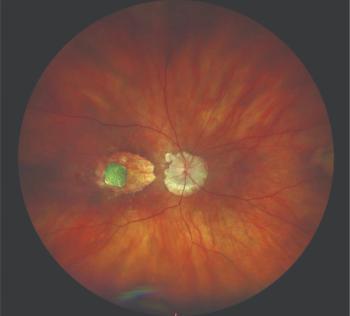
The novel system converts light into electrical signals to stimulate retinal cells.

Strategies for treatment intervals, drug selection, and patient expectations.

A trio of retina specialists recently reviewed the clinical benefits of aflibercept 8 mg, including its extended dosing intervals, improved patient satisfaction, and enhanced treatment outcomes for various conditions.



Leading cataract surgeons discuss their comprehensive approach to IOL counseling, exploring how they bridge expectation gaps and tailor premium lens strategies to each patient's unique anatomy, goals, and lifestyle.

The DRAGON trial was a 24-month pivotal phase 3 trial evaluating Tinlarebant in adolescent STGD1 patients.

Kiora Pharmaceuticals advances ocular therapies with new patents for KIO-104, targeting retinal inflammation and enhancing treatment options.

Both therapeutics will leverage AGC Biologics’ BravoAAV suspension platform and use an innovative dual AAV vector approach, which splits the therapeutic gene into 2 halves.


HELIOS-3 is a phase 3 registrational program for AXPAXLI (or OTX-TKI) for the treatment of non-proliferative diabetic retinopathy (NPDR).
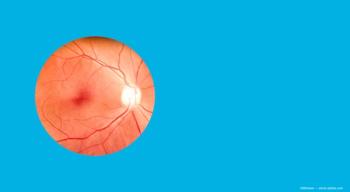
AAO 2025 revealed that true-color widefield imaging, AI-powered home OCT, and refined FAERS analyses are collectively transforming retinal diagnostics into a more precise, continuous, and safety-aware system.
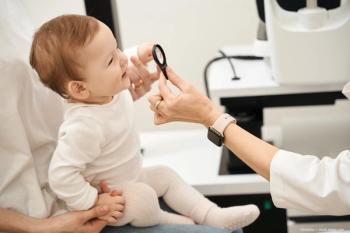
According to the company, this is the first and only single-use kit on the market that includes the diagnostic lens.

Regeneron's EYLEA HD injection 8 mg approved by FDA for the treatment of macular edema following RVO
Additionally, the FDA approved a monthly dosing option for some patients who may benefit from resuming this dosing schedule across approved indications.

CoTx-101 is intended for the treatment of retinal vascular diseases, such as wet age-related macular degeneration (wAMD) and diabetic macular edema (DME).
Advertisement
Advertisement
Trending on Eye Care Network - Ophthalmology Times
1
FDA approves phentolamine ophthalmic solution 0.75% (Ryzumvi) for presbyopia
2
Alvotech files first known aflibercept 8 mg biosimilar with EMA
3
Uveitis: a practical guide for ophthalmologists and optometrists
4
AAO 2026: How to become an ocular pain detective in dry eye
5