












The annual meeting brought announcements and insights from companies in the retina care space.


The human impact of geographic atrophy: Survey examines experiences and perceptions of patients living with GA
The annual meeting brought announcements and insights from companies in the retina care space.
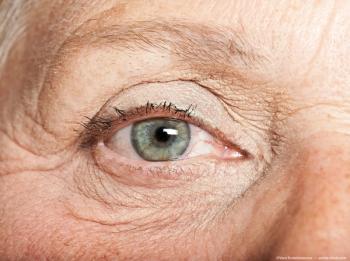
The organization will provide resources for spreading awareness and educating patients and care givers.

Prevent Blindness announces its fourth annual Geographic Atrophy Awareness Week, December 2 to 8, 2024. The organization offers free educational resources, including videos and guides, and supports GA patients through programs like Living Well With Low Vision.

Patients treated with investigational oral therapy gildeuretinol (ALK-001) showed a statistically significant reduction in the GA lesion growth rate.

Astellas said in a press release that the FDA comments in the CRL relate to proposed labeling language, not safety.

The FDA comments in the CRL relate to proposed labelling language, not safety, Astellas said in a press release.

News
Key findings include reduced lesion growth, retinal tissue preservation, and improved visual function, demonstrating significant potential for the treatment option.

In a recent Modern Retina case-based discussion, Ferhina S. Ali, MD, MPH, discussed how to effectively manage geographic atrophy (GA).

This merger creates an innovative biotechnology company with a broader focus in the advancement of multiple disease therapies.

Srinivas R. Sadda, MD, described the advantages and disadvantages of the various imaging technologies used to evaluate GA at the AAO 2024 conference.

PST-611 is a first in class non-viral vectorized therapy for the treatment of dry AMD/GA coding for human transferrin.

OCT-based AI analysis brings changes in GA and therapeutic responses into sharp focus.

The European Association for Vision and Eye Research 27th EVER Congress will be held in Valencia, Spain, November 3 – 5, 2024.
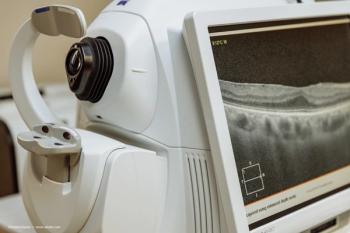
The investigators undertook a study in which they retrospectively evaluated the presence and amount of small HRF in the eyes of patients with different macular atrophic phenotypes.

David Eichenbaum, MD, spoke with Modern Retina to provide and overview on his presentation at ASRS 2024 and the current state of geographic atrophy treatment.

Inflammasome Therapeutics has completed enrollment of a Phase I PK/Safety study of its new brain- and retina-penetrant drug, K9.

The agency confirmed its June 2024 negative opinion after Apellis requested re-examination of EMA's initial opinion.

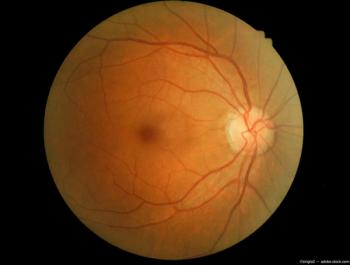

Oral gildeuretinol demonstrated a clinically meaningful reduction in the GA lesion growth rate at 24 months in the SAGA study.

Oral gildeuretinol demonstrated a clinically meaningful reduction in the geographic atrophy lesion growth rate at 24 months, supporting additional clinical development. SAGA topline data has been accepted as a late breaker at the 128th annual meeting of the American Academy of Ophthalmology, being held October 18-21 in Chicago.


According to the company, the pilot study showed procedural feasibility of ophthalmic artery angioplasty in the treatment of vascular lesions associated with geographic atrophy (GA).

BI 771716, with technology licensed from CDR-Life, is a highly specific antibody fragment, possibly enabling an optimized penetration through all retinal layers to the most critical target site driving GA disease pathology.

BI 771716, with technology licensed from CDR-Life, is a highly specific antibody fragment, possibly enabling an optimized penetration through all retinal layers to the most critical target site driving GA disease pathology.