



















Recent research suggests the need for routine HSV-1 and VZV PCR testing in all explanted corneas regardless of clinical suspicion to detect, treat, and prevent possible recurrence of herpes infection in corneal grafts and support graft survival.

Recent research suggests the need for routine HSV-1 and VZV PCR testing in all explanted corneas regardless of clinical suspicion to detect, treat, and prevent possible recurrence of herpes infection in corneal grafts and support graft survival.

Patients need to pay attention to their eye health over the long term.

Members of the Ophthalmology Times Europe® Editorial Advisory Board were asked to predict developments in their ophthalmic specialties and interests for 2023. A focus is our ageing population, while efficiency and productivity are also on their minds. The board members agree that one of the major challenges in the year to come will be the large number of patients awaiting diagnosis and treatment, which is only going to increase with the rising average life expectancy worldwide.
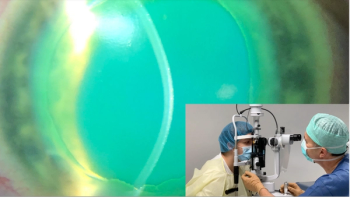
Corneal cross-linking (CXL) is improving all the time, although all protocols retain the basic requirements for oxygen, riboflavin and UV light. Recent developments mean that CXL at the slit lamp is feasible, which will improve access to the procedure.
An end-of-week review of what happened in ophthalmology from 29 October to 3 November 2022.

One clinician advises investigating prospective patients for history and evidence suggesting HSV keratitis, and monitoring for post-surgery epithelial defects.
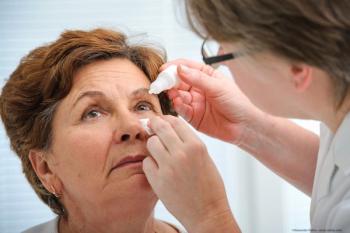
Gentle eye drops, laser or minimally invasive surgery, advising patients on safe viewing of electronic devices, and addressing eyelid disorders can all help to minimise adverse effects.
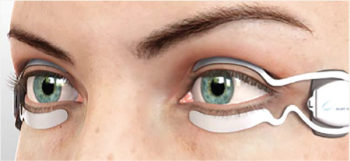
Methods using a combination of non-invasive thermal treatments and meibomian gland expression seem to be particularly effective.

Patients appreciate the convenience and aesthetic improvements of light-based dry eye treatment, and it can also be applied elsewhere on the face.

Adam Szaronos, President and CEO of Trukera Medical, discusses the recent rebranding of TearLab as well as the launch of the ScoutPro Osmolarity System.

Non-diffractive lenses offer alternative in challenging post-corneal refractive surgery cases.

Innovations in the design of rigid corneal lenses and scleral lenses have delayed the use of or eliminated the need for keratoplasty.

A combination of posters, podium presentations and instructional courses provided invaluable revelations to the ophthalmic community.

Those who used both traditional and electronic cigarettes reported severe to very severe ophthalmic symptoms.

At the 2022 American Academy of Ophthalmology meeting, Dr Philip Dockery, MPH, presents, "Effectiveness of corneal crosslinking in young patients."
David Hutton discusses the AAO 2022 talk, "Corneal Oedema, Opacifications, Ectasia, and Bacterial Keratitis: Diagnosis and Treatment Strategies from the Preferred Practice Pattern Guidelines," with presenter Dr Francis S. Mah.

Almost 5 million patients in the IRIS Registry had received at least one diagnosis of DED between 2013 and 2019; of those, 203,171 were children under 18 years of age and 4,592,808 were adults.
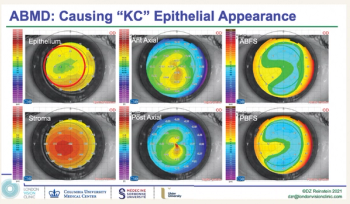
The epithelium adapts to compensate for changes in the cornea and these changes can be detected with high sensitivity, reducing both false positives and false negatives in the diagnosis of keratoconus.

Dr David Lubeck talks with Caroline Richards of Ophthalmology Times Europe about his ESCRS presentations, touching on surgical effects on corneal epithelium and the iTrack Global Registry for glaucoma.

Prof. Martin Dirisamer discusses his instructional course on common mistakes when performing DMEK and how to avoid them at ESCRS.

Assistant Prof. of ophthalmology Basak Bostanci discusses her ESCRS presentation, “Extended Range Of Vision In Unusual Cases” and how EDOF lens technology is evolving to include a wider pool of candidates.
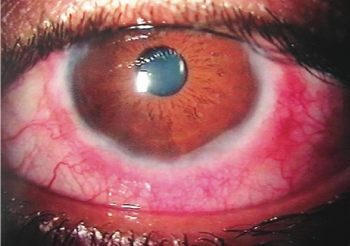
Ophthalmologists should look past the eyes in patients presenting with a persistent ocular allergic response and be mindful that sight-threatening vernal keratoconjunctivitis is a possibility.

Members of the Ophthalmology Times Europe Editorial Advisory Board offer comments on the symposia they are most excited to attend at the 2022 ESCRS Congress in Milan, Italy.
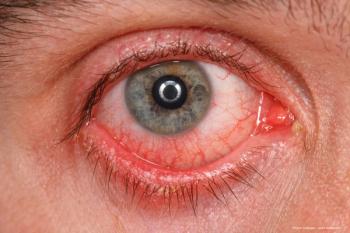
Spanish investigators hypothesise that conjunctivitis plays a role in disease transmission.

A short course of a low-dose corticosteroid eye drop can relieve inflammation with only a low increase in intraocular pressure.