


Conference Coverage
Trending on the Eye Care Network
1
Brepocitinib meets all Phase 3 end points in noninfectious uveitis
2
Matching artificial tears to dry eye phenotype: a Q&A with Omur Ucakhan, MD
3
Demodex blepharitis: Diagnosis, treatment response, and recurrence
4
SpyGlass Pharma's BIM-IOL System holds 37% IOP reduction at 4 years in first-in-human trial
5
Myopia control using spectacle lenses with highly aspherical lenslets
Latest News

Oct 21, 2026 | Commentary
Demodex blepharitis: Diagnosis, treatment response, and recurrence

The One Thing: Natural history studies, diet and the gut, and reimbursement | Episode 3
Oct 21, 2026

Myopia control using spectacle lenses with highly aspherical lenslets
Oct 21, 2026

Oculis completes randomization in PREDICT-1, the first genotype-guided registrational trial in dry eye disease
Oct 20, 2026

(FAQ) Inflammatory Eye Disease Week: What clinicians should know
Oct 20, 2026






Advertisement
Shorts

1:04
Subcutaneous option for TED
8 hours ago

0:55
How a subcutaneous option could change thyroid eye disease care
3 days ago

1:23
Using videos and recorded visits for IOL counseling
3 days ago

0:58
How AI is changing the patient conversation in eye care
3 days ago

1:02
A complementary lens approach to refractive IOL selection
8 days ago

1:03
Approaching ocular pain like a detective
8 days ago

0:52
Safety profile of elegrobart in the REVEAL-1 trial
9 days ago

1:11
What the first whole eye transplant in a human revealed
9 days ago
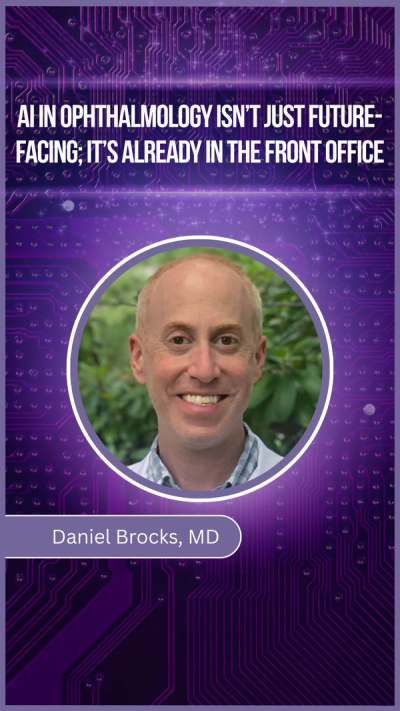
0:39
AI in ophthalmology isn’t just future-facing; it’s already in the front office
11 days ago

1:08
How MCO-010 optogenetic therapy works in RP
11 days ago
Digital Edition

Ophthalmology Times
The concerns of October 10, 1857, sound remarkably familiar today.

Ophthalmology Times
A solo surgeon explains how automation replaced his front desk, scheduling, and billing staff.

Ophthalmology Times
Sequencing IOL choice by eye can ease patient decision paralysis.

Ophthalmology Times
Concurrent exudative disease, early intervention, and a rare masquerader complicate the classic picture of geographic atrophy.

Ophthalmology Times
Epithelial basement membrane dystrophy can affect premium IOL outcomes.

Ophthalmology Times
A checklist could help keep patients with geographic atrophy on track.

Ophthalmology Times
Influence on effective lens position in cataract and lens-based surgery.

Ophthalmology Times
Two investigational pipeline therapies take aim at the root causes of dry eye disease

Ophthalmology Times
Waste, cost, and carbon are converging to reshape how cataract centers choose instruments.

Ophthalmology Times
Ultra-widefield imaging reveals early retinal risk in pediatric patients.
Podcasts


Continuing Medical Education













Advertisement
All News
Advertisement
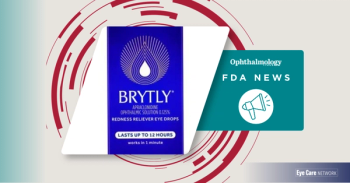
The nonprescription 0.125% apraclonidine drop is approved for adults and children 12 years and older, and Alcon says each dose whitens the eye for up to 12 hours.

Interim 48-month data show 86% of patients with glaucoma or ocular hypertension remain off topical drops after a single cataract procedure, although the drop-free rate has eased from earlier timepoints.

Ryzumvi gained a presbyopia indication in adults based on the phase 3 VEGA-2 and VEGA-3 trials, adding a pharmacologic option for optometrists managing near vision loss.

Enspryng is the first subcutaneous, at-home treatment option for TED and the first interleukin (IL)-6 receptor inhibitor approved in the indication.

Noab Banoub, a third year medical student, describes his journey into medicine and his view of ophthalmology's future.

At AAO 2026, Adam, MD, shares Yamane technique pearls, from docking the trailing haptic to preventing tilt and haptic exposure.

Uveitis is uncommon, but it causes a disproportionate share of visual morbidity.

Discover how IRIS Registry real-world data turns EHR notes and images into evidence that speeds ophthalmology trials, recruitment, safety studies, and post-approval insights.

FDA accepts vamikibart BLA for UME as data show sustained gains at 1 year; decision July 2027.

FDA advisers review SYD-101, low-dose atropine 0.01% for pediatric myopia, on Oct 30 after a 2025 complete response letter.
Advertisement

Ehsan Rahimy, MD, says most PRIMA serious adverse events occurred early, while vision gains held through 36 months.

Anti-VEGF for ROP is not associated with systemic and neurodevelopmental outcomes.

The evidence for nutrition in eye care is strong for some conditions and thin or absent for others.

A successful premium outcome depends not only on the lens, but also on how well the patient understands what to expect before surgery.

Jacque Duncan, MD, reviews phase 3 DRAGON data on oral tinlarebant for Stargardt disease and its mechanism-related visual effects.
Advertisement
Advertisement