
Commentary|Videos|March 24, 2026
iOpeners with Nicole Bajic, MD: Emily Schehlein, MD, on sustainability in ophthalmology
Author(s)Nicole Bajic, MD, Emily M. Schehlein, MD
Fact checked by: Sheryl Stevenson

Their discussion touches upon EyeSustain’s global efforts to reduce waste in ophthalmology, strategies for greener cataract surgery, and collaborations with industry and professional societies to promote sustainability.
Advertisement
Episodes in this series




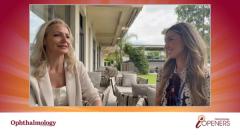
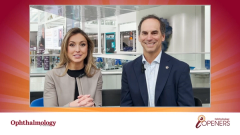
In this episode of “iOpeners” from Ophthalmology Times, host Nicole Bajic, MD, comprehensive ophthalmologist at the Cole Eye Institute, Cleveland Clinic, speaks with Emily Schehlein, MD, about efforts to reduce environmental waste within the specialty and the role ophthalmologists can play in advancing more sustainable practices. Schehlein is a glaucoma and cataract surgeon with Brighton Vision Center in Brighton, Michigan, and also serves on the EyeSustain editorial board.
Bajic introduces Schehlein as “one of the big leaders in sustainability with ophthalmology,” noting that while ophthalmology is a high-volume specialty caring for many patients, it also generates substantial waste. “We take care of a lot of patients, but it does generate a lot of waste,” Bajic says, emphasizing the importance of considering how the field can become more sustainable moving forward.
EyeSustain and the global effort to reduce ophthalmic waste
Schehlein highlights the work of EyeSustain, describing it as “a global coalition of eye surgeons and organizations working to reduce waste in ophthalmology.” The initiative addresses environmental impact across clinical and surgical care, particularly in cataract surgery, which she notes is “the most commonly performed surgery in the entire world,” with more than 30 million procedures performed annually. The scale of this activity leads to significant material use, including plastic and paper waste.
Because ophthalmologists perform such a high volume of procedures, Schehlein explains that the specialty is well positioned to implement meaningful changes. “As ophthalmologists, because we perform so many surgeries, we really have a unique opportunity to be more sustainable and to reduce the amount of waste that we're producing,” she says.
Partnering with industry to reduce packaging and emissions
A central component of this effort involves collaboration with industry partners. Schehlein notes that ophthalmologists rely heavily on industry for intraocular lenses, instruments, and other surgical supplies, all of which arrive with packaging and documentation. EyeSustain therefore works directly with manufacturers to explore practical solutions, such as reducing packaging size, transitioning paper instructions for use to electronic formats, and improving shipping logistics to reduce carbon emissions.
Schehlein emphasizes that these discussions occur in a collaborative environment where companies and clinicians can openly exchange ideas. The goal, she explains, is to “affect change in this way” by aligning ophthalmologists and industry around shared sustainability goals.
Engaging the ophthalmology community in sustainability
EyeSustain is collaborating with the American Society of Cataract and Refractive Surgery (ASCRS) and The FOCUS Group to host a sustainability video contest with top entries being featured during the ASCRS 2026 annual meeting, April 10-13, 2026, in Washington, DC.
Advertisement
Related to this article

Their conversation covers a holistic, cross-specialty approach to ocular surface disease and the unmet need driving a new model of dry eye care in Ireland.

In this Q&A, Ping Moore, OD, covers emerging dry eye therapies, from selenium sulfide to next-gen cyclosporine, and how subtype-guided care shapes treatment choices.
Ophthalmology is projected to face one of the steepest physician shortages of any subspecialty by 2038.

Two investigational pipeline therapies take aim at the root causes of dry eye disease
The RMAT designation opens the door to a faster development pathway for EO2002 as a minimally invasive alternative to corneal transplantation, while Emmecell also advances a cell therapy for geographic atrophy.
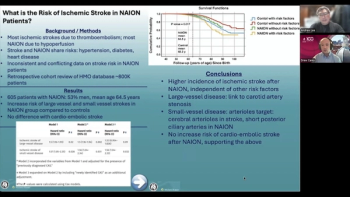
Andrew G. Lee, MD, and Drew Carey, MD, discuss findings from a retrospective study examining ischemic stroke risk in patients with non-arteritic anterior ischemic optic neuropathy and the implications for vascular risk factor management.
Patients with polyendocrine metabolic ovarian syndrome have higher ocular disease prevalence.
Length and width, not thickness, emerge as key drivers of higher-order aberrations.
Advertisement
Advertisement
Trending on Eye Care Network - Ophthalmology Times
1
Brepocitinib meets all Phase 3 end points in noninfectious uveitis
2
Matching artificial tears to dry eye phenotype: a Q&A with Omur Ucakhan, MD
3
Demodex blepharitis: Diagnosis, treatment response, and recurrence
4
Myopia control using spectacle lenses with highly aspherical lenslets
5