

Advanz Pharma and Alvotech announced AVT06, a biosimilar to Eylea, was approved for neovascular age-related macular degeneration
Advanz Pharma and Alvotech announced AVT06, a biosimilar to Eylea, was approved for neovascular age-related macular degeneration

NCX 470 met the primary endpoint of non-inferiority in lowering intraocular pressure (IOP) from baseline compared to the standard of care, latanoprost 0.005%.

Included is the supplemental Biologics License Application (sBLA) for EYLEA HD seeking approval for both the treatment of macular edema following retinal vein occlusion (RVO) and the broadening of the dosing schedule to include every 4-week dosing across approved indications.
Research reveals how neighborhood social factors impact patients with tractional retinal detachments, highlighting the need for improved access to care and support.

Reliable visualization tools, especially those indicated for ocular use, are crucial for success.

Patients with higher exposure to nature and green spaces were significantly less likely to experience dry eye, investigators reported

Advances address a need for the growing populace with age-related near vision loss.

AMD treatment may become unrecognisable as gene therapies evolve

The province's public health insurance scheme, Régie de l’assurance maladie du Québec (RAMQ), covers faricimab for three indications

Dan Ignaszewski explains how the national advocacy campaign aims to unite patients, researchers, and clinicians to protect NEI’s independence and ensure vision research funding.

The company previously provided an update in April 2025 stating its intention to lay off approximately 65% of the company after the COAST trial failed to meet its primary end point.

Best disease, or vitelliform macular dystrophy, is a rare, inherited retinal condition causing macular degeneration by mutations in the BEST1 gene, leading to progressive vision loss and, in some cases, blindness.

Fovea-sparing, multifocal, and bilateral lesions exhibited the fastest growth rates.


A look at podium presentations on GA research at ASRS 2025.
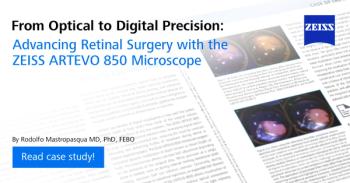
Surgical microscopes have undergone significant changes over the past decade, moving from conventional optics toward digital platforms that redefine the boundaries of surgical visualization. My own transition from the ARTEVO® 800 (Carl Zeiss Meditec AG, Jena, Germany) to the ARTEVO® 850 microscope has provided a firsthand perspective on how these advancements translate into real-world clinical benefit—particularly in the management of vitreoretinal surgery.
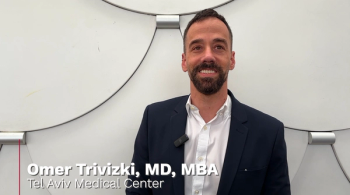
Omer Trivizki discusses promising results of VOY-101, a gene therapy for geographic atrophy, highlighting safety and next steps in ongoing research.

jCyte initiates patient dosing in a new trial for famzeretcel, aiming to transform treatment options for retinitis pigmentosa.
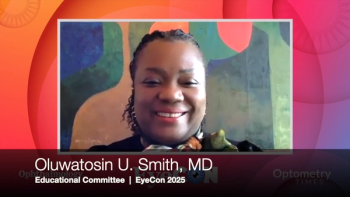
Extend the summer at EyeCon 2025—where clinical insight meets coastal vibes—September 26 and 27 at the Margaritaville Hollywood Beach Resort in Florida.
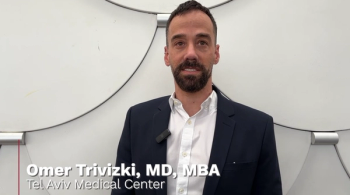
A 12-month follow-up indicated no dose limiting toxicity and no ocular or systemic adverse effects

The two aim to develop a potential first-in-class melanocortin receptor-targeted treatment for patients with retinal diseases.

RAMQ is a public organization introduced in 1970, following the adoption of the universal health care system in Canada.

Catch up on recent advancements in retina care, including new therapies for age-related macular degeneration and macular telangiectasia, enhancing patient outcomes.

Maturing of the vestibulo-ocular reflex is independent of sensory input

Every day brings a new challenge for surgeons in low-resource areas and conflict zones

A rare case of tubulointerstitial nephritis and uveitis syndrome in a teenager highlights the importance of multidisciplinary diagnosis and management.
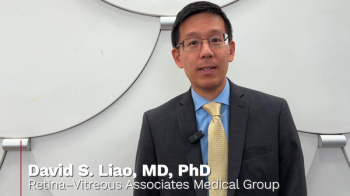

Catch up on this week's highlights in retina.