

Amber Bio is developing a first-of-its-kind RNA writing platform using multi-kilobase edits to reach previously undruggable patient populations.
Amber Bio is developing a first-of-its-kind RNA writing platform using multi-kilobase edits to reach previously undruggable patient populations.

Priya Vakharia, MD, spoke with our team about her presentation at the Women in Ophthalmology Summer Symposium being held in Marco Island, Florida.
Sruthi Arepalli, MD, spoke with our team about the current landscape of geographic atrophy (GA) and her presentation at the Women in Ophthalmology Summer Symposium being held in Marco Island, Florida.

Treating the meibomian glands and lifestyle changes are among some of the treatment methods.

The research by Scott N J Watamaniuk, PhD, has potential implications for patients diagnosed with strabismus.

Take a look at a review of the highlights and hottest stories from Ophthalmology Times during the week of August 20, 2023.

Eva Kim, MD, spoke with our team to share insights from her presentation on ICL versus CLE at the Women in Ophthalmology Summer Symposium 2023 in Marco Island, Florida.

The 3D viewing systems and digital microscopes offer numerous advantages for performing the procedures.
Maria H. Berrocal spoke with our team about her presentation at the Women in Ophthalmology Summer Symposium being held in Marco Island, Florida.

Currently, miotics are taking center stage for treating presbyopia.
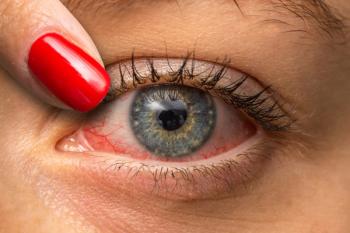

Henriquez pointed out that waiting for keratoconic progression runs the inherent risk that keratoconus will progress rapidly and affect the planned initial treatment protocol.

The study, conducted by the National Eye Institute and University of Freiberg, Germany, sheds light on nerve function in the brain and retina.
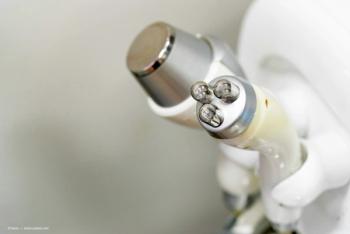
Lead author Sean Paul, MD, reports radiofrequency treatment in conjunction with expression of the meibomian glands reduces the signs and symptoms of dry eye disease.

One practice’s experience with office-based surgery validates peer-reviewed study.
Surgeon discusses latest trends for treating cornea
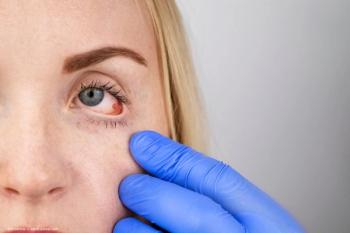
TRS01 demonstrates clear anti-inflammatory activity in noninfectious anterior uveitis with no evidence of significant adverse effects.
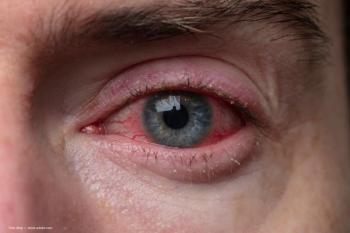
Lotilaner ophthalmic solution 0.25% (Xdemvy) was approved by the FDA in July, making it the first and only approved treatment for Demodex blepharitis.

The company believes the 19-gauge filter needles may be the culprit in the SYFOVRE injections.

This intellectual property protects Kiora's pipeline by covering multiple small molecule analogs, delivery methods, and several inflammatory-related therapeutic applications, including posterior non-infectious uveitis, extending market exclusivity for approved indications in the United States and Europe.

A team of researchers have successfully transplanted human microglia into a mouse retina to create a model for studying eye disease treatments, such as diabetic retinopathy, glaucoma and age-related macular degeneration.
According to researchers from University of Michigan and Duke University, children with Medicaid or other public insurance are far less likely than those with private insurance to have had a vision check in the last year at a primary care office.
This intellectual property protects Kiora's pipeline by covering several inflammatory-related therapeutic applications, including posterior non-infectious uveitis.

European Medicines Agency issued approval for a Clinical Trial Application of its new gene therapy, VG901, which uses an adeno-associated virus vector to treat CNGA1-associated retinitis pigmentosa.

Researchers have identified markers that indicate the presence of Parkinson’s disease in patients an average of 7 years before the disease presents clinically.

Clinicians' expertise can help assess inconclusive findings about the benefits of blue-light filtering glasses. This enables them to offer informed guidance to patients concerned about eye strain and sleep quality.

The company noted that its Phase Ib dose-escalation clinical trial will evaluate safety, tolerability and efficacy of VG901 in patients with RP due to biallelic CNGA1 mutations.
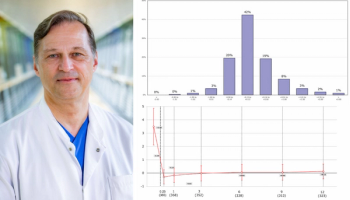
A multicentre study demonstrates comparable results to FS-LASIK

VG901 is a gene therapy for CNGA1-associated RP.

Cultivated autologous limbal epithelial cells (CALEC) procedure shown to be safe and feasible with early positive results of restored cornea surfaces or vision gains in four patients with severe chemical burns.