

A supraciliary minimally invasive glaucoma procedure may offer a valuable bleb-free treatment option for patients with glaucoma that requires low target pressures.

A supraciliary minimally invasive glaucoma procedure may offer a valuable bleb-free treatment option for patients with glaucoma that requires low target pressures.
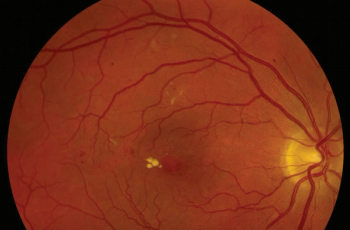
Protocol V delves into observation of disease.
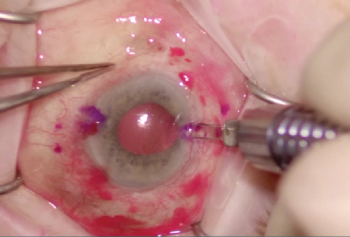
Practice and preparation are key for mastering the procedure.

One surgeon shares the early results of his experience using the new TECNIS Eyhance and TECNIS Eyhance Toric II IOLs in performing the first post-FDA-approved cases in the U.S.

Patients who are at an increased risk for vision loss from lapses in care have frequently expressed concerns about the impact of the pandemic on their ability to receive timely care.

Investigators set out to determine if treatment crosses blood-retina barrier.
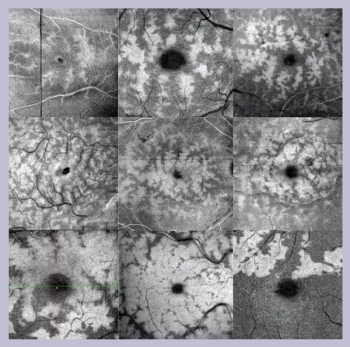
Technology helps physicians understand normal and abnormal macular anatomy.

The Lighthouse Guild is raising public awareness about the visually impaired, a group that has been passed over for early access to vaccinations.
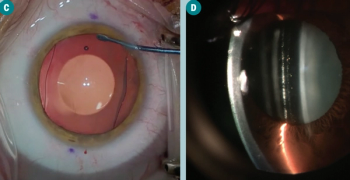
Phakic option provides hope to patients who are not candidates for laser vision correction.

Graybug Vision, Inc. has reported preliminary topline data from a 12-month treatment phase of its Phase 2b ALTISSIMO trial of GB-102 for the treatment of wet AMD.
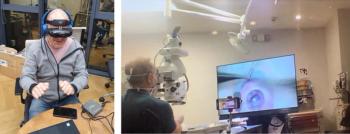
A Canadian artificial cornea clinical trial has been enhanced by a remote, real-time 3D HD video training solution.
Physician presents pearls for effective use, leading to positive outcomes for patients.

The study will evaluate the safety and tolerability of the R:GEN laser in patients with early-stage age-related macular degeneration.
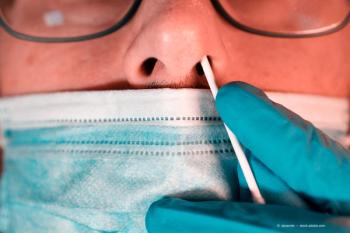
Investigators at Rokote Laboratories Finland Ltd. say they selected the nasal route of delivery because the virus is transmitted through the airways, and they claim that nasal administration may induce a wider immune response than intramuscular administration.

Transient sensory-motor abnormalities are often common.

Investigators suggest that SARS-CoV-2 may diffuse from the ocular surfaces to the patient’s body, and use of a conjunctival swab may be another method of diagnosing the virus.
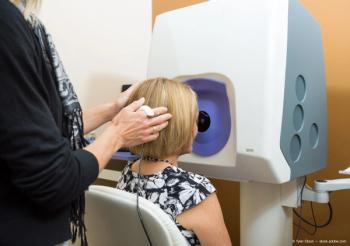
Physicians should evaluate which options best meet the needs of their practices.

Citing an unstable supply chain, Pfizer is discontinuing the ophthalic drops.
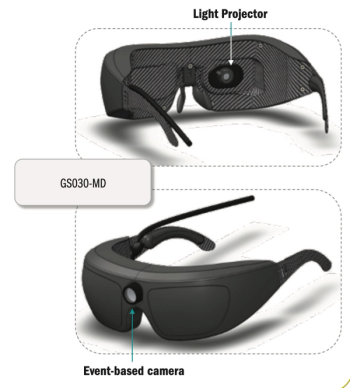
Treatment may facilitate sight in end-stage retinitis pigmentosa.

George Marcellino, vice president of Iridex, is being remembered by colleagues as a man of substance.

Topcon Corp. will purchase exclusive rights to distribute Iridex Corp.’s retina and glaucoma products, while also acquiring a common equity stake in the company. Iridex will acquire Topcon’s PASCAL product line.
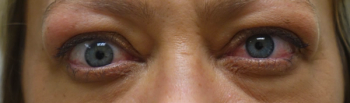
Patients show impressive proptosis and diplopia responses to teprotumumab.

Baseline diabetic retinopathy severity is an important predictor of its progression in patients.

The FDA has accepted Oyster Point Pharma's New Drug Application (NDA) for its OC-01 (varenicline) nasal spray to treat dry eye disease.

Autologous serum eye drops and blood products offer hope to patients.

Women 34% less likely to receive retinal detachment repair.
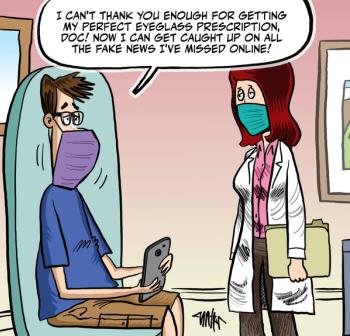
Check out the latest cartoon!
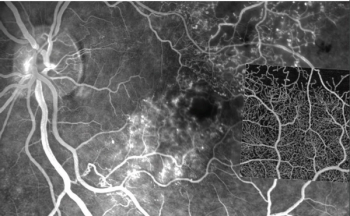
Tool can help physicians detect, monitor ophthalmic disease in their patients.

Visits, elective procedures decreased as physicians responded to COVID-19 guidelines.

Physicians step-up in emergency departments during COVID-19 surge.