

According to Sarah Van Tassel, MD, physicians may need to recognize issues and treat patients more holistically.

According to Sarah Van Tassel, MD, physicians may need to recognize issues and treat patients more holistically.

Researchers in Trinity’s School of Genetics and Microbiology developed a new gene therapy, ophNdi1, that is the first of its kind to directly target mitochondrial function in cells that are malfunctioning in AMD.
Audrey R. Talley Rostov, MD, discusses how patient education and hygiene is important for a positive outcome.

Gene therapy has partly restored the function of the retina’s cone receptors in two children who were born completely colorblind, reports a new study led by UCL researchers.

Stoke Therapeutics announced enrollment of the first patient in a prospective natural history study of people ages 8 to 60 who are living with autosomal dominant optic atrophy.

Sight Sciences Inc. is taking the wraps off Sion, a manually operated device used in ophthalmic surgical procedures to excise trabecular meshwork.

According to Alyson Hall, MD, factors can include vascular dysregulation, oxidative stress, autoimmunity and cytotoxicity.

According to the company, results showed increased effects over time with pegcetacoplan, with treatment effect accelerated between months 18 and 24.

Although predefined co-primary study endpoints were not met, AR-15512 demonstrated statistically significant improvements in DED signs, symptoms, and disease-related quality of life.

According to investigators, the progression of myopia in children may be slowed by a metabolite of caffeine, known as 7-MX.

Alcon and Aerie Pharmaceuticals Inc. have announced the companies have entered into a definitive merger agreement through which Alcon will acquire Aerie.

According to the company, topical eye drops anti-TNFα agent licaminlimab (OCS-02) relieve persistent ocular discomfort in severe dry eye disease.

George Waring IV, MD, FACS, points out that supplementation and customized procedures are in the offing.

A test to detect and quantify TDP-43 deposits in the retina provides this capability for the first time and can be performed using commercially available and widely utilized diagnostic cameras.

According to researchers, functional assessments and education are critical to an early diagnosis.
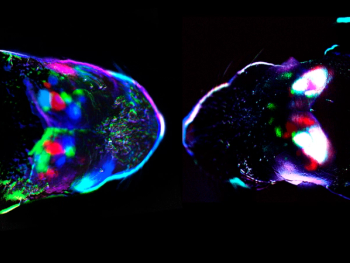
In embryonic stages, tactile stimuli simultaneously activate tactile and visual neural pathways. Shortly after birth, both pathways reorganize to allow separate processing of touch and vision. The change of pathway is facilitated by the activity waves of the retina, which act as railroads that direct the stimuli of each sensory modality to the corresponding cortex, so that we can perceive them separately.

With a few key steps, surgeons can avert potential refractive surprises, and reduce postoperative dry eye for patients.

Reservoir restoration can re establish the normal anatomy and function of the conjunctiva.
By creating customized packages that incorporate the range of diagnostic and treatment options available, practices can simplify dry eye management and improve patients' outcomes.

Physician offers "real talk" on pros and cons that offers surgeons and patients decision-making insights.
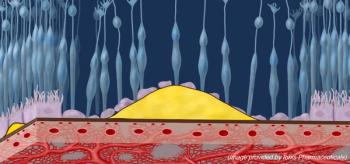
Currently enrolling a Phase 2 trial to evaluate the role of complement factor B protein in age-related macular degeneration (AMD)

Low-grade inflammation seems to be associated with baseline disease in inherited retinal dystrophies (IRDs), according to Christine N. Kay, MD, a surgeon at Vitreoretinal Associates, in Gainesville, Florida.

APOE4 gene associated with Alzheimer’s disease risk was found to protect mice from glaucoma. Research team also prevented retinal ganglion cell death by blocking the APOE signaling pathway, pointing to a potential treatment strategy for glaucoma.

X-linked retinoschisis is a congenital disorder that results in visual impairment in boys at an early age. No treatment is currently available, and surgical repair fails in many cases.

Oyster Point Pharma Inc. today announced that the largest Medicare pharmacy benefit manager in the United States will add its varenicline solution nasal spray (Tyrvaya) for the treatment of dry eye on its Medicare Part D formularies, effective September 1.

A team of investigators has found that myopic refractive error is linked with an increased risk of primary open-angle glaucoma, and they indicate that the connection has a genetic foundation.

According to the company, a study shows the non-implantable minimally invasive glaucoma surgery effectively reduces IOP and reduces need for IOP-lowering medications in patients diagnosed with open-angle glaucoma.

An independent data monitoring committee recommends continuing study with a sample size target of up to 350 Patients. According to the company, no safety concerns have been identified and topline results are expected during the second quarter of 2023.

According to Johns Hopkins Medicine researchers, as little as $65 per year appears to influence practitioners, making them up to twice as likely to prescribe the companies’ brand name eyedrops for glaucoma instead of cheaper generic versions.
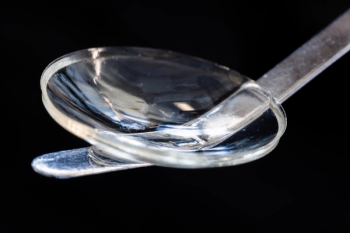
Researchers at Linköping University have used implants made from pig skin to restore sight to 20 people with diseased corneas.