
Justis P. Ehlers, MD, discusses the findings from a higher-order OCT analysis for inflammatory signal biomarkers in the HAWK Study.

Justis P. Ehlers, MD, discusses the findings from a higher-order OCT analysis for inflammatory signal biomarkers in the HAWK Study.

During a presentation at American Society of Retina Specialists 2021 annual meeting in San Antonio, Sunir Garg, MD, presented data showing that universal masking does not seem to increase the risk of developing endophthalmitis, and it may cause a reduction in culture positive endophthalmitis.
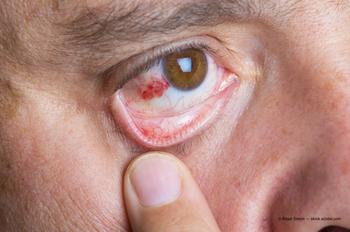
During a presentation at the American Society of Retina Specialists 2021 annual meeting in San Antonio, Texas, Yoshihiro Yonekawa, MD, warned of the potential risk of endophthalmitis with the use of implantable MIGS devices.

Speaking at the American Society of Retina Specialists 2021 annual meeting in San Antonio, Rishi P. Singh, MD, provided results of the VISTA and VIVID studies, and he pointed out that the findings could help physicians set expectations of DME therapy.
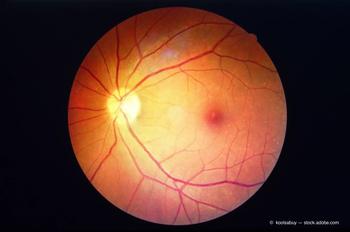
During a presentation at the American Society of Retina Specialists 2021 annual meeting in San Antonio, W. Lloyd Clark, MD, presented results of the PANORAMA Study. The focus of the study, Clark said, was to identify the factors that increase the risk of complications in patients with nonproliferative diabetic retinopathy to provide information for making decisions on treatment choices.
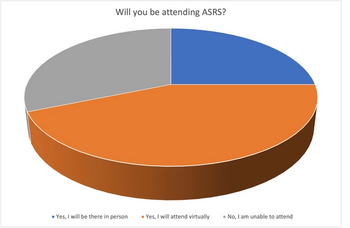
Results from our recent poll about ASRS 2021 meeting attendance shows that ophthalmologists are ready to participate in events, both in-person and online.
Proposal hints at the use of generative adversarial network (GAN) for applications in macular surgery.

The EIDON Ultra-Widefield Lens module from iCare USA has received 510(k) approval from the FDA for distribution in the US.

MicroPulse can reduce burden of injections for patients with diffuse diabetic macular edema.
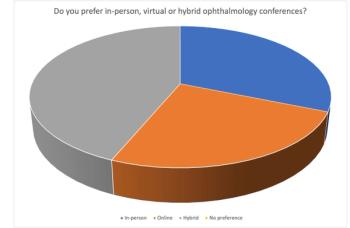
Results from our recent poll about meeting attendance preferences show an inclination toward flexibility.
Investigators hope to develop a novel artificial intelligence model.
In the final installment of his COVID-19 interview series, Dr. Breazzano discusses the positive lessons he's learned during the crisis.

Researchers set out to identify clinical and anatomic factor-associated vision loss in eyes with treatment-naïve DME and good initial VA.
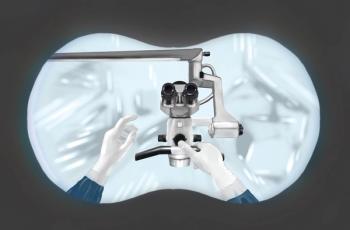
Pilot study shows promise of teaching surgeons with technology.
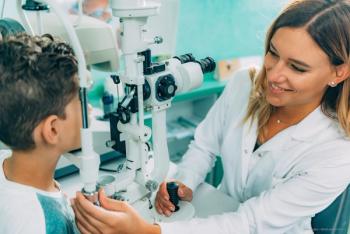
The Association for Research in Vision and Ophthalmology recognizes their latest cohort to complete the Women Leadership Development Program.

The eyeglasses were reportedly designed to help the wearer reach enlightenment and drive away evil, according to Sotheby’s London, which will host the auction next month.

The white cane receives assistive updates to guide visually impaired users to destinations, making indoor navigation in unfamiliar locations easier and safer.
Dr. Breazzano discusses the professional challenges and personal effects he faced during the beginning of the COVID-19 pandemic.

In PIONEER study, investigators outline successes.

John Pollack, MD, discusses gene therapy advancements in the first installment of his blog for Modern Retina.

American Society of Retina Specialists (ASRS) meeting offers scientific sessions, symposia, discussion groups, opportunities for attendees.
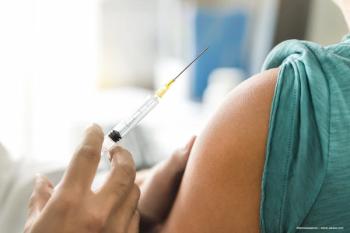
A study in the United Arab Emirates reported a possible link between adverse ocular events and a COVID-19 vaccination.

Investigators at Dartmouth College have found that eye contact during a conversation makes the discussion more appealing to its participants.
Dr. Breazzano discusses how clinicians can learn from the COVID-19 pandemic and prepare for future crises.

Investigators find that wearable aid offers improved mobility.

In the 30 years since optical coherence tomography was first described, it has become one of the most widely used technologies for imaging the human eye.

A synopsis of the findings presented at EURETINA 2021 for ophthalmologists and retina specialists.

Anterior uveitis therapy offers anti-inflammatory effect after dosing is stopped.

During a presentation at the EURETINA 2021 Virtual Congress, Prof. Ben Burton detailed how dry AMD patients treated with photobiomodulation therapy have seen improvements in best-corrected visual acuity 9 months after treatment.
In a presentation at the EURETINA 2021 Virtual Conference, Tunde Peto, MD, PhD, pointed out that while complications associated with diabetes develop over a long period, ophthalmologists today have an excellent understanding of diabetes-related eye changes.