

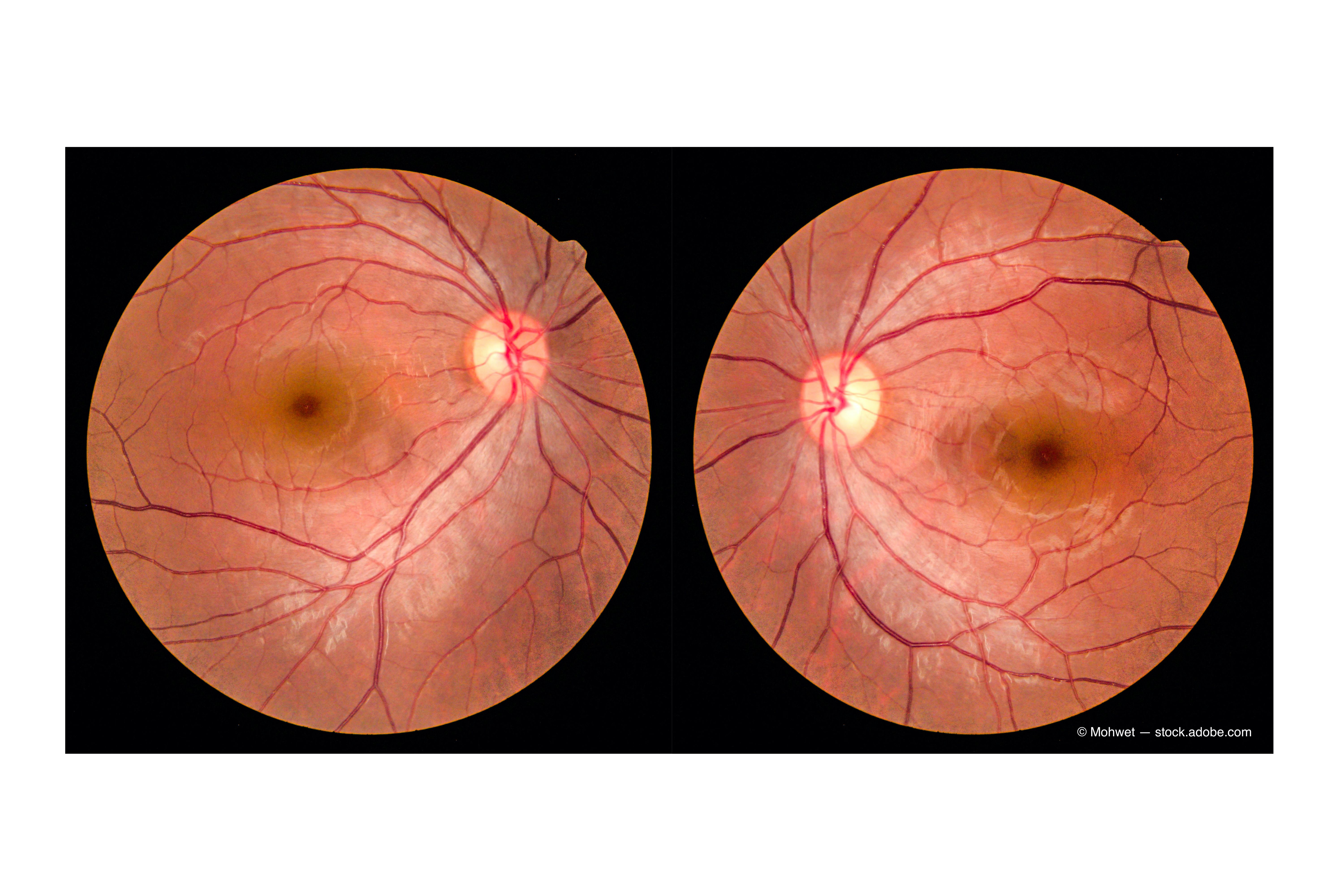



















Study highlights role of demographic and socioeconomic characteristics in treatment

Study highlights role of demographic and socioeconomic characteristics in treatment

The hope is that future analyses would show more patients completing the pathway and a lower rate of missed appointments.

The development of a novel AI-based algorithm aims to improve risk prediction for diabetic eye disease.

Insights into the pathophysiology of diabetic macular edema are providing a basis for therapeutic interventions.

Multiple challenges remain for diabetic macular edema with unmet needs to improve treatment outcomes, speed of treatment benefit, and the duration of response.

Three risk-related baseline factors identified by this analysis may be associated with a potential need for injections.


A study including data from about 42,000 eyes found diabetic retinopathy (DR) severity is a risk factor for the progression of diabetic eye disease. Other findings support the idea that genetic factors influence the development of proliferative DR versus diabetic macular edema.

Study highlights the role of demographic and socioeconomic characteristics as contributors to disease- and treatment-related disparities among patients with diabetic macular edema.





Ehsan Rahimy, MD, speaks on the highlights of a study he presented at this year's virtual AAO 2020 meeting that aimed to integrate an artificial intelligence screening system for managing diabetic retinopathy referrals in a primary care setting — with limited specialty support.
A panel of experts in ophthalmology and optometry review the diagnosis and treatment of diabetic eye disease including emerging agents in the field.

Results support further research investigating transforming growth factor-β-Induced Gene Human Clone 30 (BIGH3).

The benefit is robust across a variety of demographics and baseline disease characteristics, according to data.

Study offers a real-world scenario of a very specific, but frequent and crucial aspect of the care of patients with diabetes, suggests clinician
Visual acuity outcomes at 6 months’ post-treatment were similar, regardless of the use of anti-VEGF therapy.
Results could provide a new preferred treatment paradigm for this population

Study explores correlations between functional and structural tests