




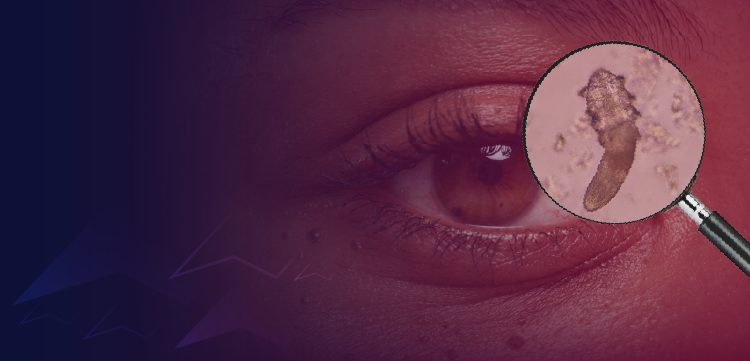












The vicious cycle theory is a new way of understanding dry eye disease and may help improve prevention and treatment strategies.

The vicious cycle theory is a new way of understanding dry eye disease and may help improve prevention and treatment strategies.

In this roundtable, members of the Ophthalmology Times Europe® Editorial Advisory Board consider the top challenges and opportunities that they anticipate will affect ophthalmology in Europe in 2021.

A multifocal corneo-scleral contact lens that can correct presbyopia in irregular corneas has undergone a small pilot study. Complete visual rehabilitation was achieved along with a high degree of patient satisfaction.

The possibility of taking precise measurements of total corneal astigmatism enable more patients to be spectacle-free following cataract surgery.

Until we have a vaccine and see a reduction of COVID-19 cases down to zero, we must adjust and take every precaution possibly to protect our staff, as well as our patients.

Emerging data on conjunctivitis cases in COVID-19 patients necessitate high levels of caution and a meticulous approach during the pandemic.


Early identification, aggressive treatment critical; when to consider surgical intervention
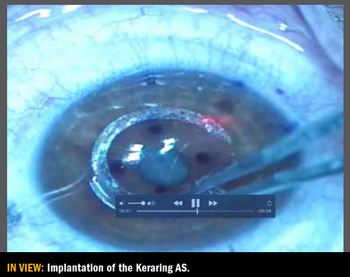

Ocular allergy affects the quality of life of millions of people every year. Understanding the different mechanisms involved will increase their future therapeutic options.
The first human clinical trial to preliminarily evaluate the safety and efficacy of cellular therapy with mesenchymal stem cells for the corneal stroma has shown promise.
It is important with corneal angiography to remember that every patient is different so your technique might very slightly from patient to patient.
The European Commission has granted marketing authorisation for cenegermin eye drops (Oxervate, Dompé) for the treatment of moderate to severe neurotrophic keratitis.

Adding objective point-of-care dry eye diagnostics to your practice has deep, measurable effects, including more accurate and consistent IOL power calculations.
A committee of the European Medicines Agency has recommended approval of cenegermin (Oxervate, Dompé) eye drops for neurotrophic keratitis.
Mooren’s ulcers completely healed in 5 patients treated with rituximab after conventional treatment failed, according to researchers.
Failure to follow-up after ophthalmology appointments can damage patients’ health, a new study suggests. “In our view, national consideration should be given to create targets for reporting how well providers are managing follow-up patients,” reported A Davis and colleagues in the journal Eye.
Preliminary studies suggest disulfiram could aid in the treatment of mucous membrane pemphigoid (MMP). Used topically, the drug may inhibit aldehyde deydrogenase (ALDH), which plays a key role in fibrosis, wrote JK Dart, UCL Institute of Ophthalmology, London.
Chloramphenicol remains effective against Gram-positive bacteria, the most common agent in bacterial conjunctivitis, researchers say.
It’s very hard to tell the difference between Fusarium and Aspergillus species with in vivo confocal microscopy (IVCM) of fungal keratitis, researchers say.
Technique targets the main cause of vision degradation and a large clinical series finds positive results.
Further calibrations for the equivalent keratometry readings (EKR) obtained by the Pentacam High Resolution (HR) (Oculus, Germany) should be conducted before they are used for total corneal power assessment in post-LASIK eyes, researchers said.