Publication|Articles|December 17, 2025

Digital Edition

  • Ophthalmology Times: November/December 2025
  • Volume 50
  • Issue 6

Spotlight on women's health: Understanding thyroid eye disease

Fact checked by: Lisa M. Nijm, MD, JD​
Listen
0:00 / 0:00

Key Takeaways

  • TED is an autoimmune disorder distinct from Graves disease, affecting individuals with varying thyroid states and often misdiagnosed, especially in women.
  • Symptoms of TED, such as pain and double vision, can severely impact quality of life, and recent treatments like teprotumumab offer new non-surgical options.
SHOW MORE

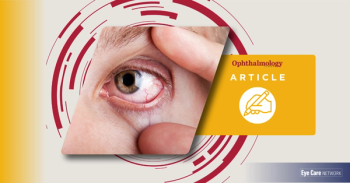
Thyroid eye disease (TED), also known as Graves ophthalmopathy or Graves eye disease, is an autoimmune condition in which the immune system targets tissues related to the thyroid.1 This leads to inflammation and swelling, as well as increased growth of muscle and fat behind the eyes.1

As many as 40% of individuals with Graves disease will develop TED.1 The condition can also arise when thyroid hormone levels are normal (euthyroid) or even low (hypothyroid). TED may occur in patients already diagnosed with thyroid disease, or it can be the initial indication of Graves disease.1 Because TED is a distinct disorder, managing hyperthyroidism alone may not fully improve the eye-related symptoms or signs.1

TED remains frequently misdiagnosed or misunderstood, and Lisa M. Nijm, MD, JD, is dedicated to improving clinical awareness and understanding. Nijm is in clinical practice at Warrenville Eyecare & LASIK in Illinois and serves as an assistant clinical professor of ophthalmology at the University of Illinois Eye and Ear Infirmary, Chicago. She is also the chief executive officer of Women in Ophthalmology.

“TED is a serious progressive and potentially vision-threatening, rare autoimmune disorder,” Nijm noted. “TED is often confused with hyperthyroidism and Graves disease, and many people incorrectly assume that TED occurs only in the presence of Graves disease.

“Although it is most common in patients with Graves disease, TED can also develop in patients with normal or even underactive thyroid function. Immunologic evidence makes it clear: TED is a distinct autoimmune disease in its own right,” she added.

Women are disproportionately affected by TED, according to Nijm. The annual incidence in the US population is 16 cases per 100,000 for women and 2.9 cases per 100,000 for men.2

“It is critical to recognize that TED affects women in ways that extend far beyond the cosmetic changes it is often reduced to,” Nijm said. “Patients may silently endure pain, double vision, or difficulty with daily tasks—symptoms they may be reluctant to voice unless ophthalmologists ask the right, specific questions.”

Other signs and symptoms of TED include lid lag, eyelid retraction, extraocular muscle involvement, pain, discomfort, lacrimation, photophobia, blurred vision, eyelid fullness, conjunctival injection, and chemosis.2

For Nijm, advocacy in practice is essential and a focus that ophthalmologists should adopt, because they play an important role in caring for this patient population. She teaches other ophthalmologists to look for the signs and symptoms of TED, especially those that are subtle, when evaluating women who present with dry eye or ocular complaints of pain or discomfort and diplopia.

Improving quality of life

TED should remain in the differential diagnosis, even though TED is not common, Nijm continued. “Unfortunately, patients often go undiagnosed for years, enduring symptoms that could have been relieved sooner if TED were considered in the differential,” she said.

Following diagnosis, ophthalmologists should be aware that the treatment paradigm has changed. “The introduction of teprotumumab (Tepezza; Amgen) has been nothing short of a paradigm shift. For many patients, it offers the possibility of avoiding surgery altogether, or improving surgical outcomes when surgery is required,” she said (Figures 1 and 2).

An important question that ophthalmologists can ask is how symptoms are affecting patients’ daily activities. Because the vision is not acutely threatened, patients are advised to deal with the proptosis or discomfort and, in effect, to suffer in silence, Nijm noted. “One of the most damaging misconceptions is that patients simply have to live with TED,” she said. “That is no longer true—effective treatments are available, and they can dramatically improve quality of life.”

Treatment steps

Many of Nijm’s referral patients present with dry eye disease and often experience symptoms such as ocular redness, tearing, or dryness associated with a proptotic eye. If Nijm suspects TED in a patient, she collaborates with their primary care physician or endocrinologist when a thyroid disease diagnosis has already been established.

The primary care provider orders thyroid testing, and the patient is then referred to an oculoplastics specialist to assess their candidacy for teprotumumab therapy and determine whether additional treatment is needed.

A deeper dive into gender and TED

The higher number of TED cases in women is linked to an increased risk of autoimmune diseases. In contrast, male patients tend to have more severe ocular involvement and poorer outcomes.3,4

“TED is 5 times more prevalent in women, and because of that, men are often overlooked for the diagnosis,” Nijm said. The disease has characteristic findings—such as proptosis, pain behind the eyes, diplopia, dryness, redness, and swelling—but patients may not always recognize that these symptoms are related to TED, she noted.

“Clinicians, too, may unintentionally dismiss the condition as merely cosmetic when there is no immediate threat of optic nerve compression, focusing instead on the strabismus or proptosis,” she added. “In reality, TED is far more destructive. It can profoundly impair quality of life, limiting daily activities such as reading, cooking, or driving, and it takes a significant toll on emotional well-
being and self-perception.”

Women are typically diagnosed with TED at a younger age, whereas men more often develop severe, sight-threatening forms of the disease, resulting in a greater need for procedures such as orbital decompression. Men may also present with more pronounced asymmetry between the eyes and have a higher risk of vision impairment.5

TED risk factors

In addition to gender, other risk factors for TED include the following³:

  • Ethnicity: Black, White, and Asian individuals are most affected by TED, in that order.6
  • Age: TED shows a bimodal peak incidence. It occurs most frequently in women aged 40 to 44 years and 60 to 64 years, and in men aged 45 to 49 years and 65 to 69 years.2 TED is more severe in older patients, with a higher likelihood of restrictive myopathy and dysthyroid optic neuropathy.2
  • Genetics: CTLA-4, HLA-DRB1, and TNF-α (tumor necrosis factor-α) are the genes most often associated with TED.
  • Systemic associations: Autoimmune disorders (ie, pernicious anemia, systemic lupus erythematosus, Addison disease, vitiligo, celiac disease, and rheumatoid arthritis) are associated with a higher risk of TED.7,8
  • Environmental factors: Smoking is strongly associated with the TED incidence.9
  • Thyroid status: At diagnosis, 90% of TED cases are hyperthyroid, 6% euthyroid, 3% have Hashimoto thyroiditis, and 1% are hypothyroid.2
  • Radioactive iodine therapy: Radioactive iodine treatment causes exacerbation in 24% of TED cases.10
  • Stress: Psychological stress can aggravate TED by rebound immune hyperactivity following prolonged corticosteroid–induced immune suppression.11
  • Pregnancy: New onset or worsening TED occurs in 30% of Graves disease cases in the postpartum period.12
  • Other risks: Trauma can activate an autoimmune cascade in the orbit. High serum cholesterol may also be a risk factor for TED.13

Challenges in the diagnostic process

Research and anecdotal evidence indicate that the symptoms reported by women with TED are frequently dismissed by health care providers.14 In a recent survey, 93% of women described feeling dismissed by their clinicians when seeking medical help across many specialties.14

Researchers from the University of North Carolina pointed out that implicit bias plays a significant role in the diagnosis of TED.15 “Female patients, especially those with subtle or nonspecific symptoms, are more likely to have complaints dismissed as mental health concerns, stress, or menopause, rather than autoimmune disease. This bias results in missed diagnoses, delayed treatment, and worsening health conditions. When doctors overlook autoimmune diseases in women, they miss critical opportunities to intervene early, increasing the risk of permanent damage.”15

The autoimmune factor

The pathogenesis of TED is still not fully understood, noted a recent study: “It is now mainly believed that cellular and humoral immunity play a key role in the pathogenesis of TED, with T lymphocytes interacting with orbital fibroblasts via the CD40-CD154 pathway, and orbital fibroblasts being activated to produce large quantities of cytokines and extracellular matrix, which leads to severe orbital inflammation and tissue remodeling. Thyrotropin receptor (TSHR) is the main autoantigen of Graves disease, and thyrotropin receptor antibody is a characteristic and pathogenic autoantibody against TSHR in patients with Graves disease. Some studies have detected overexpressed TSHR messenger RNA in orbital connective tissue of patients with TED, and it was hypothesized that TSHR expressed on orbital fibroblasts was the cross-transgressing antigen that induced autoimmune reactions in patients with TED. Orbital fibroblasts also express insulinlike growth factor 1 receptor (IGF-1R), and TSHR binds to IGF-1R to form physical and functional signaling complexes involved in the TED pathogenesis.”16

The X chromosome

Growing attention has been given to the role of the X chromosome in the higher susceptibility of women to autoimmune diseases. According to a recent study,17 “female mammals with more than one X chromosome [XX] equalize X-linked gene expression to that of males [XY] via X chromosome inactivation [XCI], a developmental process in which one X chromosome is randomly chosen for transcriptional silencing. The X chromosome is highly enriched in genes that regulate the immune system. As such, potential defects in XCI could lead to altered expression of these X-linked genes and promote autoimmunity,” the authors explained.

The future

Nijm’s stated goal is to shorten the historically long journey patients face before receiving a diagnosis of TED. She also aims to build a team of knowledgeable physicians dedicated to treating these patients.

“It is important that all physicians recognize TED and the unique role ophthalmologists play in caring for these patients,” Nijm said. “The innovations in ophthalmology are amazing—we now have this treatment that offers real hope and meaningful recovery. Equally important, we are empowering female ophthalmologists to lead in both innovation and patient advocacy—driving progress for patients with TED everywhere.”

Lisa J. Nijm, MD, JD
E: [email protected]
Nijm is founder and medical director of Warrenville Eyecare & LASIK in Illinois; assistant clinical professor of ophthalmology at the University of Illinois Eye and Ear Infirmary in Chicago; and founder of RealWorldOphthalmology.com and MDNegotiation.com. She is a consultant to Alcon, Allergan, Bausch + Lomb, Bruder, Harrow Health, Johnson & Johnson Vision, Nordic Pharma, Scope Health, Sun Pharma, Thea, and Viatris.
References
  1. Thyroid eye disease (TED). Prevent Blindness.
    Accessed November 3, 2025. https://preventblindness.org/thyroid-eye-disease/
  2. Bartley GB. The epidemiologic characteristics and clinical course of ophthalmopathy associated with autoimmune thyroid disease in Olmsted County, Minnesota. Trans Am Ophthalmol Soc. 1994;92:477-588.
  3. Shah SS, Patel BC. Thyroid eye disease. In: StatPearls. StatPearls Publishing; 2025. Accessed November 3, 2025. https://www.ncbi.nlm.nih.gov/books/NBK582134/
  4. Perros P, Crombie AL, Matthews JN, Kendall-Taylor P. Age and gender influence the severity of thyroid-associated ophthalmopathy: a study of 101 patients attending a combined thyroid-eye clinic. Clin Endocrinol (Oxf). 1993;38(4):367-372. doi:10.1111/j.1365-2265.1993.tb00516.x
  5. Thyroid eye disease (TED). Yale Medicine. Accessed November 3, 2025. https://www.yalemedicine.org/conditions/thyroid-eye-disease-ted
  6. Stan MN, Bahn RS. Risk factors for development or deterioration of Graves’ ophthalmopathy. Thyroid. 2010;20(7):777-783. doi:10.1089/thy.2010.1634
  7. Khalilzadeh O, Noshad S, Rashidi A, Amirzargar A. Graves’ ophthalmopathy: a review of immunogenetics. Curr Genomics. 2011;12(8):564-575. doi:10.2174/138920211798120844
  8. Boelaert K, Newby PR, Simmonds MJ, et al. Prevalence and relative risk of other autoimmune diseases in subjects with autoimmune thyroid disease. Am J Med. 2010;123(2):183.e1-183.e9. doi:10.1016/j.amjmed.2009.06.030
  9. Prummel MF, Wiersinga WM. Smoking a risk factor for hypothyroidism [correction of hyperthyroidism]. J Endocrinol Invest. 1993;16(10):827. doi:10.1007/BF03348935
  10. Bartalena L, Marcocci C, Bogazzi F, et al. Relation between therapy for hyperthyroidism and the course of Graves’ ophthalmopathy. N Engl J Med. 1998;338(2):73-78. doi:10.1056/NEJM199801083380201
  11. Sonino N, Girelli ME, Boscaro M, Fallo F, Busnardo B, Fava GA. Life events in the pathogenesis of Graves’ disease: a controlled study. Acta Endocrinol (Copenh). 1993;128(4):293-296. doi:10.1530/acta.0.1280293
  12. Wall JR, Lahooti H, Hibbert EJ, Champion B. Relationship between clinical and immunological features of thyroid autoimmunity and ophthalmopathy during pregnancy. J Thyroid Res. 2015;2015:698470. doi:10.1155/2015/698470
  13. Sabini E, Mazzi B, Profilo MA, et al. High serum cholesterol is a novel risk factor for Graves’ orbitopathy: results of a cross-sectional study. Thyroid. 2018;28(3):386-394. doi:10.1089/thy.2017.0430
  14. Trachman SB. She’s not imagining it: the continuing medical dismissal of women. Psychology Today. July 27, 2025. Accessed November 3, 2025. https://www.psychologytoday.com/us/blog/its-not-just-in-your-head/202507/shes-not-imagining-it-the-continuing-medical-dismissal-of
  15. Myers E. Silent struggles: how autoimmune diseases in women are overlooked.NC Schweitzer News. February 9, 2025. Accessed November 3, 2025. https://ncschweitzerfellowship.org/silent-struggles-how-autoimmune-diseases-in-women-are-overlooked/
  16. Lin H, Duan H, Zheng J, Jiang Z, Xu Y, Huang H. Clinical characteristics of thyroid eye disease and expression profile of peripheral blood immune cells. Sci Rep. 2025;15(1):28666. doi:10.1038/s41598-025-08904-4
  17. Lovell CD, Anguera MC. More X’s, more problems: how contributions from the X chromosomes enhance female predisposition for autoimmunity. Curr Opin Immunol. 2025;93:102543. doi:10.1016/j.coi.2025.102543

Newsletter

Don’t miss out—get Ophthalmology Times updates on the latest clinical advancements and expert interviews, straight to your inbox.


Latest CME