
Panelists discuss how faricimab’s dual VEGF-A and Ang-2 inhibition may offer vascular stability advantages over single-pathway blockade, despite ongoing questions about Ang-2’s independent therapeutic impact.

Panelists discuss how faricimab’s dual VEGF-A and Ang-2 inhibition may offer vascular stability advantages over single-pathway blockade, despite ongoing questions about Ang-2’s independent therapeutic impact.
Panelists discuss how aflibercept’s structural design and the higher molar dose of its 8-mg formulation enhance VEGF binding, treatment durability, and clinical predictability.

Panelists discuss new DED treatments like Miebo and Vevye and how they integrate into treatment algorithms.
Experts highlight management nuances in patients with neuropathic pain, post–refractive surgery complications, or contact lens intolerance.
The panel addresses common patient frustrations and therapeutic limitations in today’s dry eye landscape.
Panelists share how they tailor therapy based on patient characteristics, symptoms, and clinical findings.
Panelists discuss how key biologic and clinical distinctions—such as ischemia, leakage patterns, and modality-specific insights—guide tailored treatment strategies for BRVO, CRVO, and DME.
Panelists discuss how differing disease mechanisms, inflammatory drivers, and clinical priorities across AMD, DME, and RVO shape individualized therapeutic goals and the use of newer anti-VEGF agents.
The discussion explores how basal and reflex tears differ and why composition impacts sustained eye comfort.
Experts explain how differentiating these subtypes guides treatment choices and outcomes.

A new treatment is presented that eliminates the root cause of the disease and restores ocular surface health.
Hipsley shares insights into ocular biomechanics and dynamic range of focus, that can help the field to work toward vision restoration and increase eye health.

Discover how RGB technology enhances eye disease diagnosis, improving accuracy and efficiency in clinical practice with advanced imaging techniques.
Advanced imaging technologies like intraoperative OCT and heads-up displays enhance surgical precision and patient outcomes in retina surgery.
A study reveals that cryopreserved amniotic membrane enhances recovery and reduces infection risk in post-corneal cross-linking patients.
Donaldson introduces the panel and outlines the series’ focus on improving dry eye management through tear function optimization.
Donaldson introduces the panel and outlines the series’ focus on improving dry eye management through tear function optimization.
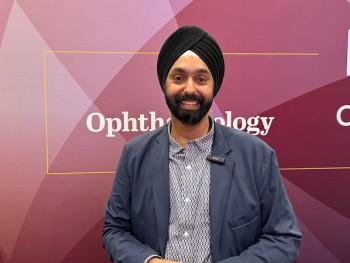
Surgeons explore innovative cataract surgery techniques that significantly lower intraocular pressure while ensuring patient safety and comfort.
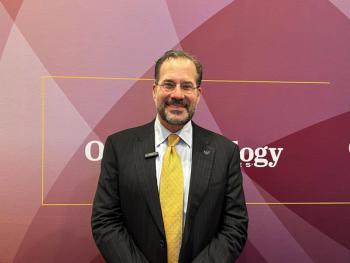
A severe case of misdiagnosis is revisited to show how careful evaluation led to recovery and renewed patient trust.
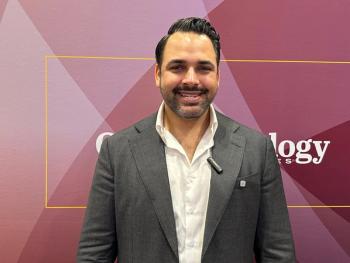
Discover the latest advancements in laser vision correction, including next-gen LASIK techniques that achieve unprecedented visual outcomes.
It seems there is no text provided for summarization. Please provide the text you'd like summarized, and I'll be happy to help!
To celebrate Ophthalmology Times' 50th anniversary, we asked leading experts what the practice would look like today had optical coherence tomography (OCT), one of the biggest innovations in the field, never been invented.

Marguerite B. McDonald, MD, FACS, reflects on a first-year residency case that taught her the importance of trusting her instincts and advocating for patient safety.
A clinician explains a step-by-step approach to diagnosing and managing a common eyelid disease in everyday practice.
To celebrate Ophthalmology Times' 50th anniversary, we asked leading experts what the practice would look like today had optical coherence tomography (OCT), one of the biggest innovations in the field, never been invented.

Deborah Ristvedt, DO, recalls a retinal detachment repair that took an unexpected turn, teaching lasting lessons in patient awareness and surgical presence.