

Preclinical research highlights mRNA-based therapy's potential to inhibit scar tissue and abnormal blood vessel growth in proliferative vitreoretinopathy, addressing a critical unmet need in treatment.
Preclinical research highlights mRNA-based therapy's potential to inhibit scar tissue and abnormal blood vessel growth in proliferative vitreoretinopathy, addressing a critical unmet need in treatment.

About 33% of ocular tuberculosis patients may relapse within 2 years of achieving clinical inactivity, with a poor initial treatment response serving as a strong predictor of recurrence.

A Korean study identified preoperative use of preservative-containing glaucoma medications as a significant risk factor for trabeculectomy failure in POAG patients. The Glaucoma Medication Intensity Index (GMII) predicted long-term outcomes, highlighting the importance of managing medication exposure before surgery.

With news of several biosimilar candidates moving along the path of approval, Modern Retina is taking a moment to recap the updates on the state of these biosimilars.

A higher body mass index was protective against glaucoma progression, while patients who were underweight had significantly faster rates of structural loss
In this series, experts in the field advise current residents and offer insight into how they can make the most of their time and experience moving forward with their careers.

Researchers at the University of Colorado Anschutz Medical Campus found that characters with crossed or drifting eyes are more likely to play more minor roles in animated movies and be considered unintelligent or villainous. These depictions, the researchers say, can have harmful effects for children with strabismus by perpetuating stereotypes.

While studies of obesity and tobacco and alcohol consumption showed that many chronic diseases are affected by the factors being studied, none had mentioned an effect on glaucoma progression.
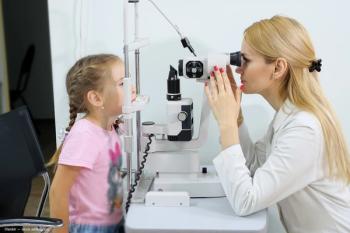
In the wake of a report by a group of researchers in China detailing the increasing prevalence of myopia worldwide, Daniel Cyr, MD, a pediatric ophthalmologist at Stony Brook Medicine, agreed with its assessment, telling Ophthalmology Times he is seeing an increase in pediatric myopia at his clinic in New York.

Perimeter Medical Imaging AI has been leveraging the technology to improve breast cancer surgeries and reduce the number of patients requiring repeat surgery.
OCU410ST is indicated for the treatment of ABCA4-associated retinopathies including Stargardt disease, retinitis pigmentosa and cone-rod dystrophy 3 (CORD3)

In a study, a team of Korean researchers developed an AI model using OCT images to predict neovascular AMD treatment outcomes after anti-VEGF injections. The model highlights AI’s potential in personalized ophthalmic care.
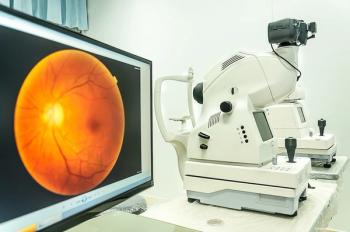
A study suggests that small hyperreflective retinal foci (HRF) on OCT images, linked to activated microglial cells, could serve as a valuable marker for monitoring neuroretinal inflammation and progression in age-related macular degeneration.

Early results suggest participant diversity and novel measures will enable new, artificial intelligence-driven insights. As the study evolves, it could lead to significant advancements in understanding how environmental exposures contribute not only to diabetes but also to its complications, including those affecting eye health, such as diabetic retinopathy.

Arshad Khanani, MD, MA, FASRS, presented positive data from the phase 2 fellow eye sub-study evaluating the subretinal delivery of ABBV-RGX-314.

Research explores innovative physiotherapeutic approaches to managing myopia progression, showing promising results in slowing its advancement over two years.
A study found that a simplified artificial circuit, modeled after the brain's neuronal system, can predict network activity and provide insights into how the brain manages short-term memory, with potential implications for novel treatments of eye movement disorders.

Patients treated with investigational oral therapy gildeuretinol (ALK-001) showed a statistically significant reduction in the GA lesion growth rate.

Uveitic relapses primarily manifest as anterior uveitis, the authors said

The incidence was comparable to that of daily wear soft contact lenses.

ABI-110 has the potential to offer a durable and effective solution by addressing the root causes of wet AMD at the genetic level.

A study by a team of Chinese researchers highlights the potential of optical coherence tomography angiography (OCTA) in detecting retinal microvascular damage in renal hypertension patients. OCTA identifies reduced vascular density in key retinal regions, offering a noninvasive tool for early diagnosis and systemic disease management.

Today’s technology proves faster, better, cheaper.

Connell’s appointment was effective immediately after the Annual General Meeting of the Company on November 15, 2024.

At the ESCRS meeting, Sir Harold Ridley’s legacy was put on display in a pop-up museum installation

Dosing in the first phase of the phase 1/2 OCU410ST GARDian trial for Stargardt disease is complete.

Special circumstances must be considered for plateau dwellers, such as Tibetans, mountaineers, and garrison officers, who are exposed to low humidity, strong ultraviolet rays, cold and dry weather, and low pressure and hypoxia

The NHS is expanding the use of optical coherence tomography to enhance diabetic eye care, aiming to improve early detection of diabetic retinopathy and reduce the backlog of hospital appointments.

ABI-110 has the potential to offer a durable and effective solution by addressing the root causes of wet AMD at the genetic level.

Study participants include people with no diabetes as well as those with various stages of the condition, creating a set of information distinct from previous research.