

Imaging and biomarkers are driving earlier, more individualized GA treatment
Imaging and biomarkers are driving earlier, more individualized GA treatment

This one-day symposium on January 31, 2026, will bring together clinicians and experts at the University Eye Clinic in Mainz to discuss optic neuropathies and diagnostic trends.
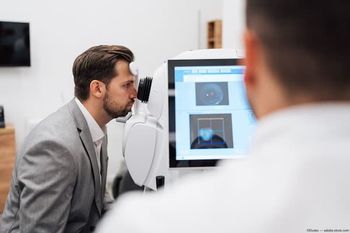
The January 31, 2026, conference in Mainz, Germany, will focus on advances in optic neuropathy diagnosis, artificial intelligence applications, and surgical perspectives

FDA authorizes compassionate use of urcosimod for neuropathic corneal pain, a condition that causes severe pain and sensitivity of the eyes, face, or head.

US and international glaucoma specialists will converge in Mainz, Germany, on 31 January 2026, to map the next era of glaucoma care—covering AI diagnostics, optic neuropathy evaluation, and modern surgical approaches.

James Tsai, MD, MBA, sheds light on what is in the offing for glaucoma specialists

When no retina podcast was available, Jayanth Sridhar, MD, created one—and learned lessons about branding, bandwidth, and mentorship along the way.

James Tsai, MD, MBA, discusses his approaches given the wide diversity of patients in a major urban setting when awareness of glaucoma can range from highly educated patients to uninformed individuals.

At the 2nd International Glaucoma Symposium on 31 January 2026, leading clinicians and researchers will share cutting-edge insights on modern surgical techniques, optic neuropathy assessment, and artificial intelligence-driven diagnostics.

Over 1.6 million individuals in the UK are estimated to have glaucoma by 2060.

Data estimates the prevalence of glaucoma currently is almost 50% higher than previously estimated and over 1.6 million individuals in the UK are estimated to have glaucoma by 2060.

Japan fast-tracks MCO-010 optogenetic eye injection as studies show lasting safety and meaningful vision gains in inherited retinal disease.

The Bimatoprost Drug Pad-IOL System is intended for the lowering of intraocular pressure (IOP) in patients with open-angle glaucoma (OAG) or ocular hypertension (OHT).

Post‑Pfizer mRNA shots show short‑term corneal thickening and lower endothelial cell density, prompting closer monitoring for graft or low‑count patients.

Learn how multimodal imaging and complement inhibitors reshape geographic atrophy care, guiding early treatment, CNV monitoring, and AI-driven follow-up.

Analysis of 20 years of data highlights differences in reimbursement trends across ophthalmology subspecialties and practice settings, according to Dustin D. French, PhD.

Broadwood and Yunqi Capital will add 3 total members to the board, while the CEO and more step down.

A total of 38 patients were included in the study. All underwent implantation of the PRIMAretinal prosthetic chip with the goal of restoring vision.

The trial is evaluating OCU410 (AAV5-RORA) for the treatment of geographic atrophy (GA) secondary to dry age-related macular degeneration.

Key clinical trial data and PDUFA dates in early 2026 focus on treatments for dry eye, AMD, and rare eye diseases.

The Swiss-designed phaco platform provides mobility, simplified workflows, and reduced surgical waste for cataract procedures, according to the company.

OCU410ST uses an adeno-associated virus delivery platform for the retinal delivery of the RORA gene.

Formerly, the EDOF technology was specifically limited to intraocular lenses.

Patients underwent a full ophthalmologic examination that included optical coherence tomography (OCT), OCT angiography, and biometry.

The Investigational New Drug (IND) application from Complement Therapeutics for CTx001 was previously approved by the FDA in October 2025

“Remarkable” results were reportedly obtained with hypotony with hydroxypropyl methylcellulose.

A trio of retina specialists recently reviewed the clinical benefits of aflibercept 8 mg, including its extended dosing intervals, improved patient satisfaction, and enhanced treatment outcomes for various conditions.

New US patent boosts Nanoscope’s MCO-010 optogenetic therapy as long-term studies show lasting safety and vision gains in retinal disease.

The Part B dose-expansion portion is evaluating SB-007 for the treatment of Stargardt disease.

Knowing what’s on the market for AMD and GA aids in preserving vision.