

This program is in place for prescriptions of cyclosporine ophthalmic solution 0.1% (VEVYE, Harrow) and promises a $59 price tag per bottle, effective immediately.

This program is in place for prescriptions of cyclosporine ophthalmic solution 0.1% (VEVYE, Harrow) and promises a $59 price tag per bottle, effective immediately.

The Perimeter B-Series OCT system combines proprietary AI technology with optical coherence tomography, for use during breast-conserving surgeries.

The authors commented that the patient’s "age, relative acute onset, and lack of medical history make this an atypical presentation.”

Maria Vittoria Cicinelli, MD, Denise Loya-Garcia, MD, PhD, and Vishal Raval, MD, were announced as the recipients and will receive a $3,000 honorarium.

The award honors Ludwig von Sallmann, MD, a “distinguished international ophthalmologist and ophthalmic investigator whose contributions greatly increased the basic and clinical understanding of vision and ophthalmology.”

24-week topline data from the phase 2b ASPIRE study in diabetic macular edema (DME) are expected to be released in Q1 of 2025.

A survey conducted by the Preservative Freedom Coalition, asked 558 patients with glaucoma or ocular hypertension how they felt about their treatments, the future of their eye health, trust in their doctors and more.

Cationic emulsion drops are characterized by their ability to retain cyclosporine A on the ocular surface.
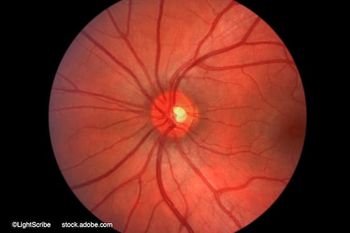
The retinal implant delivers continuous neurotrophic support, potentially halting disease progression and paving the way for future treatments in neurodegenerative retinal disorders.

A total of 43 patients who recovered from the SARS-CoV-2 infection with mild pneumonia were included along with 45 healthy individuals.

The FDA has set a PDUFA target action date of October 23, 2025, for the low-dose atropine formulation.

Tarcocimab is an investigational anti-VEGF therapy built on Kodiak's proprietary antibody biopolymer conjugate (ABC) platform.

Additionally, the prognosis of macular edema may help clinicians evaluate renal function, investigators reported

Insights shed light on what the approval means for providers and their patients affected by this neurodegenerative retinal disease

Urcosmid is a lipid conjugated chemerin peptide agonist of the ChemR23 G-protein coupled receptor, typically found on immune cells of the eye responsible for the inflammatory response.

4D-150 is a potential backbone therapy that is designed to provide multi-year sustained delivery of anti-VEGF (aflibercept and anti-VEGF-C) from the retina with a single, safe, intravitreal injection.

Key parameters captured by the module include disc area, cup area, cup volume, minimal cup depth, maximum cup depth, cup/disc area ratio, rim absence angle, and disc-damage likelihood scale.

Ronne steps into leadership role as the ASO marks a historic milestone on International Women’s Day

Researchers set out to determine the age groups for which a polygenic risk score would most effectively predict glaucomatous risk and help inform cost-effective methods for disease detection.
ENCELTO is the first and only FDA-approved treatment for MacTel.

Visual acuity with both approaches was comparable and the device was efficacious and safe.

NCX 470 0.1% achieved an intraocular pressure of less than or equal to 18 mmHg compared to latanoprost 0.005% in the trial.

Neurologist warns about recurrent optic neuritis attacks.

ENCELTO is the first and only FDA-approved treatment for MacTel.

At the EnVision Summit 2025, medical students were given awards for best poster presentation. In exclusive interviews, they spoke with Ophthalmology Times about their award-winning posters and research.

Survey examines experiences and perceptions of patients living with GA.

The data was included in the paper, titled “Sozinibercept Combination Therapy for Neovascular Age-Related Macular Degeneration: Phase 2b Study Subgroup Analysis by Lesion Type.”

To tackle systemic barriers to eye care, the organization is co-hosting an event titled “No Woman Left Behind – Advancing Eye Health Equity for Women and Girls” on Tuesday, March 11, 2025, at the 69th Commission on the Status of Women in New York.

Inflammation and scarring are the primary obstacles with pirfenidone.

ABI-201 aims to prevent dry AMD and other retinal disorders in patients.