

Vision correction has evolved into a continuum of procedures suited for different stages of ocular maturity

Vision correction has evolved into a continuum of procedures suited for different stages of ocular maturity
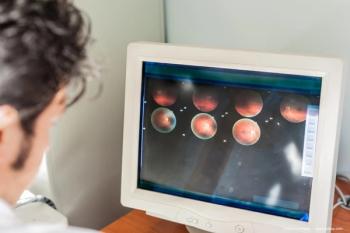
The investigators conducted a prospective interventional study to determine the therapeutic anatomic and functional effects of one intravitreal dexamethasone implant in eyes with refractory diabetic macular edema.

Brazilian researchers conducted a study comparing two treatments for postoperative endophthalmitis. They found that pars plana vitrectomy followed by an intravitreal antibiotic injection (PPV + IVAIES) was more effective than using an intravitreal antibiotic injection alone (IVAI).

To create lasting change, ophthalmology must embrace the impact of sponsorship and advocacy—empowering the next generation of leaders with not just knowledge, but the opportunities to excel.

Administered via intravitreal injection, Synthopsin-MCO-010 possesses a promoter to specifically target ON-bipolar cells.

The funding will help fund phase 1 and phase 2 proof-of-concept studies for lead candidates CTX203 and CTX114.

The lens will be available with the Monarch IV manual delivery system in Q2 and the AutonoMe Automated Pre-Loaded Delivery System in Q3.

A combination of canaloplasty and goniotomy provides sustained IOP reduction and decreases medication burden with a strong safety profile, making it a valuable option for glaucoma management.

An AI model for target IOP prediction performs as well as glaucoma specialists, offering a promising tool to enhance glaucoma management, especially for nonspecialists.

The acquisition also includes the ALLY Robotic Cataract Laser Treatment System, LENSAR’s proprietary Streamline software technology and LENSAR legacy laser system.

The trial evaluated sozinibercept (2 mg) every 4 or 8 weeks in combination with aflibercept (2 mg), as per label, every 8 weeks after a loading phase for the treatment of wet AMD.

ZEISS VISULAS Combi is an advanced therapeutic laser workstation offering photodisruption, photocoagulation, and slit lamp technology in a single, comprehensive solution.

UBX1325 is a novel BCL-xL inhibitor designed to eliminate senescent cells in diabetic retinal blood vessels, while leaving healthy ones intact.

The novel nitric oxide-donating bimatoprost eye drop is being clinically developed for the lowering of IOP in patients with open-angle glaucoma or ocular hypertension.


Patients reported that Miebo significantly reduced overall symptoms severity at the primary endpoint of change from baseline in the severity of overall dry eye symptoms at day 7.


The authors noted that while an association between cigarette smoking and TED has been well established, an association between TED and cannabis use has not been determined.

The 9 recipients receive $55,000 in seed money for collaborative projects that target one or more of the foundation’s strategic research goals.

The study findings indicated that lifestyle changes associated with the COVID-19 pandemic were connected to an increase in childhood astigmatisms.

The combined companies will operate under the name Kalaris Therapeutics, Inc. and expects to report initial data from part 1 of its ongoing phase 1 clinical trial of TH103 in treatment-naïve nAMD patients in the second half of 2025.

Intraoperative floppy iris syndrome is associated with an increased rate of severe intraoperative complications and greater visual morbidity during cataract surgery

CEO Stephen McLeod, MD, outlines the American Academy of Ophthalmology's commitment to advocating for evidence-based, sustainable, and equitable reforms that prioritize public health and access to quality care.

The bio-interventional platform is for uveoscleral outflow enhancement in open-angle glaucoma patients undergoing combined cataract surgery.

A retrospective study showed that the gender of the ophthalmologist influenced the amount of communication with the patient, and that the pandemic had an impact.
After review by the Data and Safety Monitoring Board, the dosing of OCU200 in patients with diabetic macular edema (DME) will continue.

The recent agreement with Cipla adds to the list of partnerships Formosa has formed for APP13007.

The study evaluated 14 patients that were treated with cultivated autologous limbal epithelial cells (CALEC) and followed them for 18 months.

Investigators advised clinicians of the potential for dystrophies that mimic age-related macular degeneration and other atrophic macular pathologies to be incorrectly diagnosed, which can impact treatment.

The investigators retrospectively evaluated 126 consecutive treatment-naïve nAMD patients (126 eyes) who received a loading dose of a minimum of three monthly intravitreal aflibercept injections that was followed by a TAE.