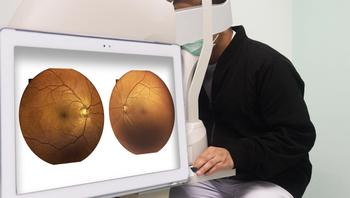
Key is to recognize usual patterns for systemic and topical medications

Key is to recognize usual patterns for systemic and topical medications
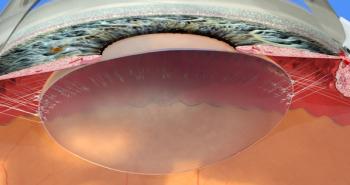
Transient sensory-motor abnormalities are often common

Injections and implants continue to create further positive outcomes for patients.

Novel option demonstrates stable to improved visual acuity and retinal thickness

Minimizing clinic visits, maximizing use of imaging modalities are key

Options for physicians are increasing in availability, with fewer costs and travel burdens for patients
Ophthalmologist provides patient counseling pearls for selected retinal dystrophies

Novel gene therapy/medical device combo sheds light on retina in RP

Study highlights role of demographic and socioeconomic characteristics in treatment
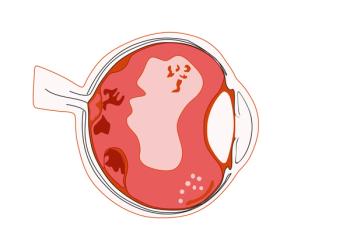
Rapid fluid identification may result in better visual outcomes
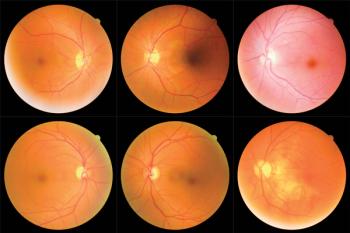
Specialist explains approaches for a variety of cases encountered during procedure

The hope is that future analyses would show more patients completing the pathway and a lower rate of missed appointments.

The development of a novel AI-based algorithm aims to improve risk prediction for diabetic eye disease.

Insights into the pathophysiology of diabetic macular edema are providing a basis for therapeutic interventions.
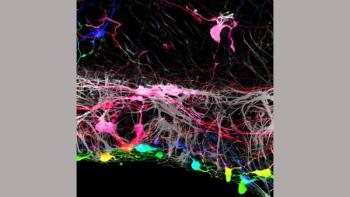
According to investigators at the Wilmer Eye Institute at the Johns Hopkins University School of Medicine conducting experiments in mouse tissues and human cells, by removing a membrane that lines the back of the eye they may be able improve the success rate for regrowing nerve cells damaged by blinding diseases.
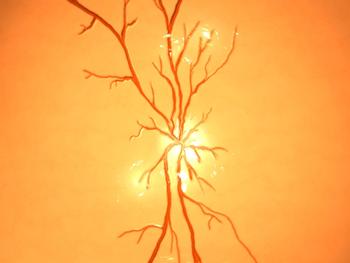
Annual Bascom Palmer Eye Institute program will spotlight latest advances in neovascular and exudative ocular disease over 2-day event, February 12-13.
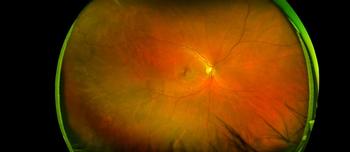
Three sessions cover the range from clinical updates for imaging to emerging therapies for non-exudative AMD.

The program features an update on faricimab, plus diabetes, choroiditis, retinitis pigmentosa, and late-breaking reports.

John H. Merey, MD, possibly one of the last Holocaust survivors still in the practice of ophthalmology, shares his story.

The FDA has granted Fast Track designation to MeiraGTx's AAV-CNGA3 gene therapy product candidate for the treatment of achromatopsia (ACHM).

Delivery into the suprachoroidal space may potentially extend the duration of therapeutic action and reduce or relieve the treatment burden for wet AMD.

Amydis announced the successful completion of a pre-investigational new drug (IND) meeting with the FDA for its candidate AMDX-2011P, a small-molecule retinal tracer that targets amyloid beta to diagnosis amyloid angiopathy.

The COVID-19 vaccine, and the speed at which it was developed, is the medical breakthrough of our lifetimes.


Multiple challenges remain for diabetic macular edema with unmet needs to improve treatment outcomes, speed of treatment benefit, and the duration of response.

Three risk-related baseline factors identified by this analysis may be associated with a potential need for injections.

Analyses of IRIS Registry data capture a snapshot of patient visits and receipt of anti-VEGF injections.