

Investigators advise an ophthalmologic evaluation at the time of tumor diagnosis to detect early vision loss.

Investigators advise an ophthalmologic evaluation at the time of tumor diagnosis to detect early vision loss.
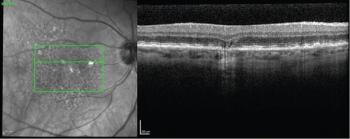
In an attempt to halt the progression of dry AMD and geographic atrophy, the use of high-resolution optical coherence tomography becomes pivotal.

The authors noted that the proportion of patients losing fewer than 15 letters from the baseline BCVA score in the study eye was comparable between the ranibizumab and biosimilar treatment groups.

This research team conducted a cross-sectional multicenter study to report the ocular fundus manifestations in infants with congenital ZIKV exposure in French Guiana, Martinique, and Guadeloupe, French West Indies.
The investigators emphasized that hydroxychloroquine doses of 5 mg/kg/day or less, in accordance with current ophthalmology and rheumatology guidelines, was associated with a higher risk of lupus flares, and the threshold was near 5 mg/kg/day.

The clinical trial is examining the efficacy of two doses of UBX1325 compared to every other month treatment with aflibercept through 24 weeks.

Investigators have reported good progress in determining how the disease works in the eye; however, a downside is the inflammation that seems to accompany treatment with increased dosing.

Roche’s treatment of faricimab is the first and only FDA-approved medicine targeting two distinct pathways, angiopoietin (Ang)-2 and vascular endothelial growth factor (VEGF)-A, that often cause retinal diseases that may cause visual loss.

Researchers found that the rate of visual decline increased significantly in patients with age-related macular degeneration during the COVID-19 lockdown who were followed over time.

A poll for retina specialists regarding their attendance at the 2022 American Academy of Ophthalmology Meeting in Chicago, Illinois. The poll is now closed.
LUNA trial will evaluate the 2x10^11 vg/eye (2E11) and a new lower 6x10^10 vg/eye (6E10) dose of Ixo-vec, with enhanced prophylactic steroid regimens in patients requiring frequent anti-VEGF injections. Interim data anticipated throughout 2023.
How long-term intravitreal steroid technology fits into a modern clinic.

The American Academy of Ophthalmology annual meeting is coming to Chicago, Illinois, from September 30 to October 3, featuring Subspecialty Days and a virtual component.
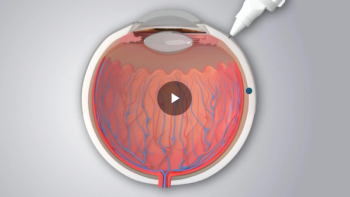
This method of administration facilitates targeted delivery of the medication to the retina and choroid.

Automated quantitative fluid analyses are enabling personalised treatments, better patient outcomes

Oral APX3330 was found to demonstrate favorable safety and tolerability profile in interim masked safety results, consistent with 11 prior trials of APX3330.

Regeneron announced that the primary endpoints were met in two pivotal trials investigating novel aflibercept 8 mg with 12- and 16-week dosing regimens in patients with diabetic macular edema and wet age-related macular degeneration.

The first stage of the study will evaluate the safety and relative pharmacodynamic effect of different doses of subcutaneously administered D-4517.2 compared to intravitreal injection of aflibercept, an approved therapy, in both wet AMD and DME patients up to 12 weeks.
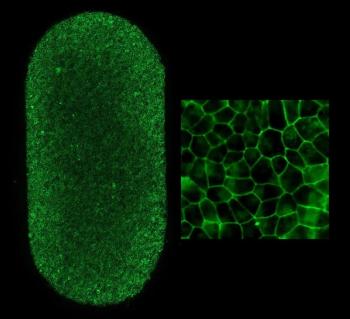
According to the National Institutes of Health, the therapy was derived from the patient’s blood by converting blood cells to iPS cells which were then programmed to become retinal pigment epithelial cells, which were surgically implanted as a patch of tissue.

According to a presentation by Oculis at EURETINA, the dataset shows that OCS-01 eye drops were more effective than vehicle in reducing central macular thickness and improving visual acuity in patients with DME as per the pre-defined criteria for statistical superiority in the study protocol.
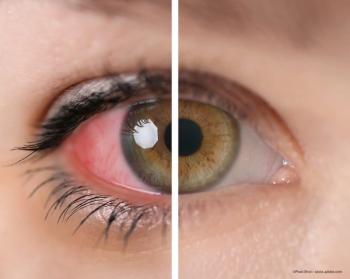
Researchers at the University of Bonn are evaluating a new imaging technique for the diagnosis of posterior uveitis.

A synopsis of the findings presented at EURETINA 2022 for ophthalmologists and retina specialists.

According to data from Prevent Blindness, there were more than 26,000 sports-related eye injuries treated in the United States last year.

The white noise and classical music listened to by the preterm infants during ROP examinations showed positive effects on pain and heart rate and oxygen saturation values.

At the 1-month evaluation, the full-field stimulus threshold had median decrease of -33.2 decibels (dB) (-33.7; -19.8) dB, which remained stable until the last assessment. Visual fields and visual acuity did not change significantly.

They advised that clinicians should be aware of this spectrum of retinal involvement after COVID-19 infections and emphasized the importance of a fundus evaluation.
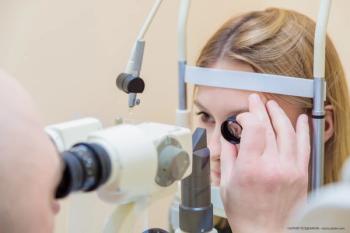
The investigators explained that elevated angle-closure-related intraocular pressure may aggregate the visual impairment in patients with retinitis pigmentosa.

The Phase 2 Altitude study is an open-label, randomized, controlled, dose-escalation evaluation of RGX-314, evaluating the efficacy, safety, and tolerability of suprachoroidal delivery of RGX-314 in patients with moderately severe/severe non-proliferative diabetic retinopathy or mild proliferative diabetic retinopathy.
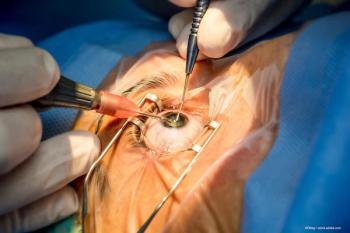
European investigators describe how they address complications associated with silicone oil endotamponade in vitreoretinal surgery.
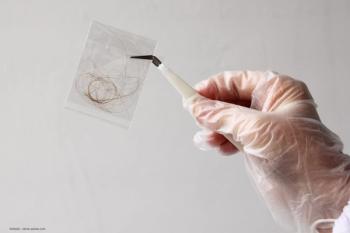
Patients with RP experience greater levels of stress and anxiety than individuals in the general population and that the level of stress can be measured easily and non-invasively in hair.