

News
Advertisement
Advertisement
ICYMI: Dr. Clark breaks down the results of the PANORAMA Study
ICYMI: Dr. Singh shares the take-home message from his 2019 presentation
ICMYI: Dr. Wykoff discusses results from his ASRS presentation
Advertisement

ICYMI: Abicipar Phase II MAPLE Trial supports improved safety for patients with nAMD following a Modified Manufacturing Process

Despite cost, advantages include sensitivity, improved outcomes
Advertisement

This year’s ASRS PAT survey show subtle regional differences

The ASRS Global Trends Survey finds differences in some treatment preferences
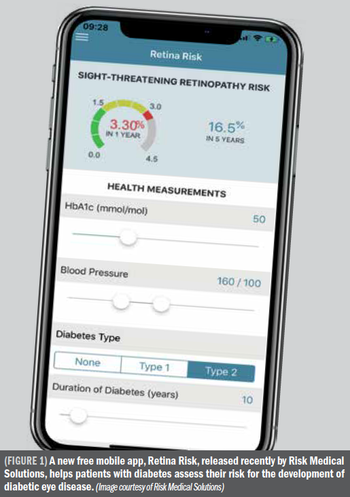
ICYMI: ASRS-developed program aims to support physicians with confidential comparisons
Ever wondered what it's like to compete in a Shark Tank-like competition? Find out!
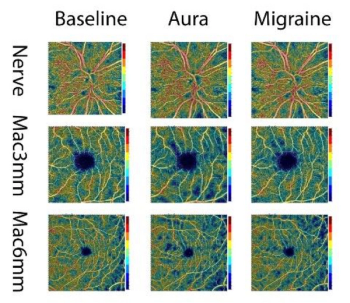
Optical coherence tomography angiography can detect microcirculatory disturbances during acute attacks.
Defining medicine and terms used can help move science forward
Researchers seeking fluid features, retinal integrity measures to test next step in image analysis and image interrogation in clinical trials.
David S. Boyer, MD, notes that the goal is to dry every patient out, with undertreatment the leading cause of a loss of visual acuity.

Researchers find that targeted subretinal delivery of stem cell derived RPE to geographic atrophy is feasible
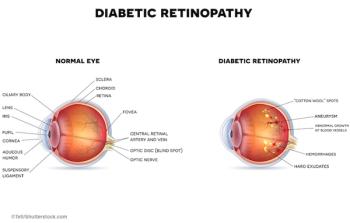

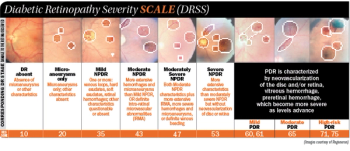
The study finds that treatment resulted in a significant visual improvement.




‘From the Bench to Bedside and Back’ is focal point for this year’s conference
Advertisement
Advertisement
Trending on Eye Care Network - Ophthalmology Times
1
2026 Nobel Prize in Physiology or Medicine awarded for optogenetics discovery
2
Oku Digital Health launches from Topcon to link eye care, primary care
3
EURETINA 2026: Optogenetic therapy MCO-010 aims to restore vision in advanced macular disease
4
EURETINA 2026: Eyestem interim Phase 2 results for clinical study of Eyecyte-RPE for GA secondary to dry AMD
5