










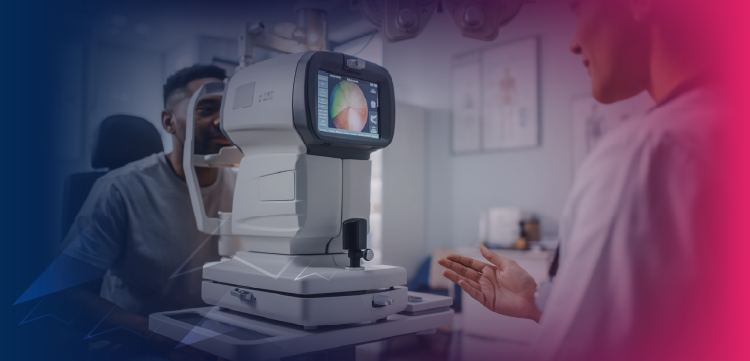



Ophthalmology benefiting from active programs for innovative product development in 2018 and onward
Ophthalmology benefiting from active programs for innovative product development in 2018 and onward




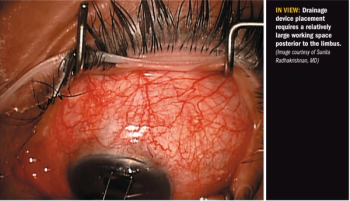
Orbital and adnexal anatomy and pathology can affect IOP and its measurement as well as planning of glaucoma surgery, and these structures can be affected by medical and surgical treatment of glaucoma
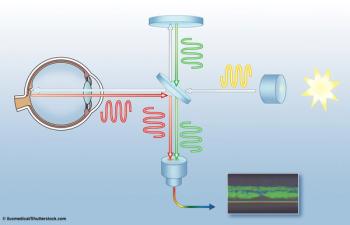
Optical coherence tomography angiography is finding new uses in glaucoma, as it can depict loss of blood vessels around the optic nerve and distinguish vascular layers.

Here's how your practice can utilize Facebook to reach out and spread the word about how you can help people with glaucoma.
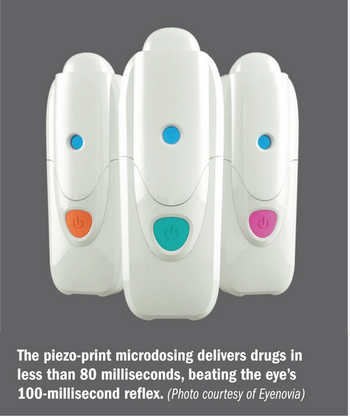
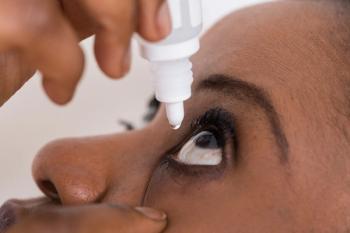
The piezo-print microdosing delivers drugs in less than 80 milliseconds, beating the eye’s 100-millisecond reflex.
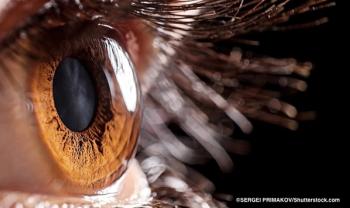

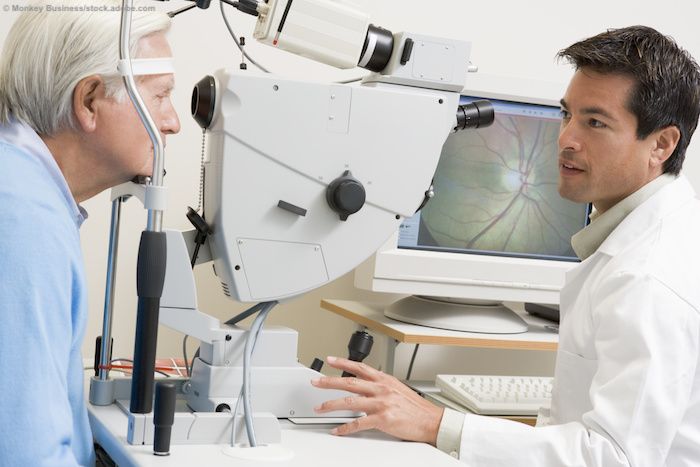
Stereoscopic photographs are a useful tool in the detection of glaucoma, however, the difficulty in obtaining them has seen them underused in favour of optical coherence tomography (OCT). A new device is attempting to redress this balance, enabling stereo-photography to be used alongside OCT for optimal practice.
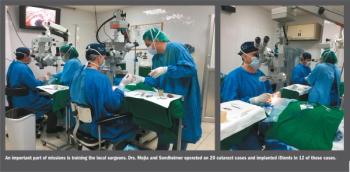
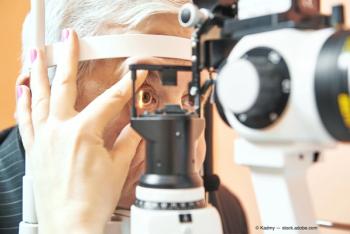
As an objective measure of the function of retinal ganglion cells, pattern electroretinography (PERG) testing reveals subclinical optic nerve changes that may be critical for deciding when to start therapy to avoid vision loss from glaucoma progression.

As more microinvasive glaucoma surgery (MIGS) procedures become available, surgeons are faced with decisions on adoption of new techniques.
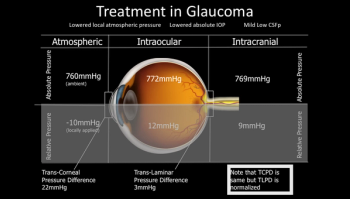

The combined clinical use of pattern electroretinography for the detection of early glaucoma indicators and selective laser trabeculoplasty for intervention may help realise the potential of early detection and treatment.
In a small study, a combination over-the-counter supplement with antioxidant and mitoprotective properties significantly reversed mitochondrial dysfunction.
Results from MERCURY-1, a 12-month phase III pivotal trial, show that once daily treatment with fixed-dose combination netarsudil 0.02%/latanoprost 0.005% (Aerie Pharmaceuticals) is safe and provided significantly greater IOP-lowering than either of its components throughout follow-up.
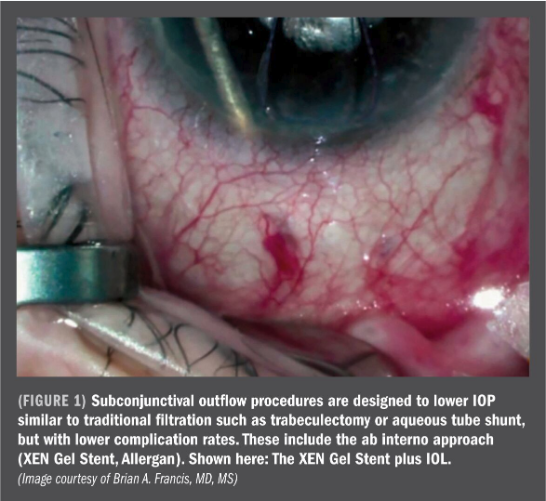
Created for surgeons, by surgeons – a new method of approaching gel stent implantation provides better outcomes for patients.
Know the patient’s family history of glaucoma, and conduct a comprehensive exam before LASIK procedure. It is crucial to monitor the patient after surgery; watch for interfact cysts, loose flaps, and pressure-induced interlamellar stromal keratitis.