












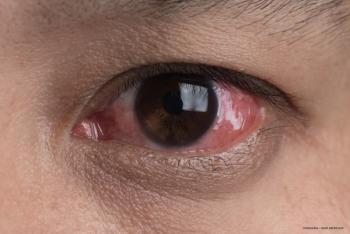
While operating on a patient with chronic uveitis presents some challenges, there are a few pearls that may increase success.
While operating on a patient with chronic uveitis presents some challenges, there are a few pearls that may increase success.
Investigators found that 56.4% of Horner’s syndrome cases resulted from a dangerous cause.
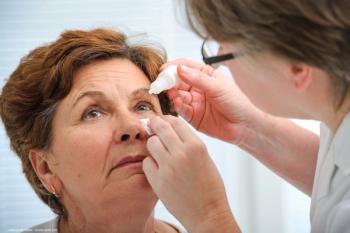
Whilst endophthalmitis following cataract surgery can lead to serious vision outcomes, there are ways of minimising the risk of it occurring whilst also being mindful of the need to prescribe antibiotics in a way that does not worsen antimicrobial resistance.

Dr Christopher Starr discusses key points from his virtual ARVO 2021 presentation regarding dry eye disease flares, including a rapid readout assessment of 10 years' worth of world literature to analyze studies in which the inflammatory disease's condition are categorized.
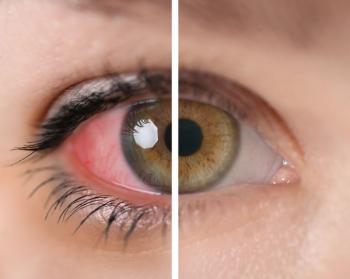
Ophthalmologists are seeking improved treatment options for uveitis as epidemiological studies demonstrate the scope and sight-stealing burden of the disease.

Experience at one ophthalmic practice in Bulgaria demonstrates that new operating procedures, technologies and good management can enable clinics to remain open and operate safely during the COVID-19 pandemic. Ophthalmic training and education should continue to be a priority.
John A. Hovanesian, MD, discusses the highlights of his presentation on a clinical study evaluating dexamethasone vs prednisolone acetate 1% in controlling postop pain/inflammation in sequential cataract surgery patients.

In this roundtable, members of the Ophthalmology Times Europe® Editorial Advisory Board consider the top challenges and opportunities that they anticipate will affect ophthalmology in Europe in 2021.
Prof. Giovanni Staurenghi, chairman of the University Eye Clinic, Department of Biomedical and Clinical Sciences at the University of Milan’s Luigi Sacco Hospital, Italy, discusses findings from the HARBOR study of macular atrophy in AMD patients treated with ranibizumab.

COVID-19 has had a significant impact on the entire global community. As we look to the future to advance the provision of eyecare excellence, opportunities for innovation must be embraced and new, patient-centric ways of managing clinical practices adopted.

To maintain treatment quality and patient and staff safety in the SARS-CoV-2 era, it is important to minimise clinic visits and maximise use of imaging modalities. In addition, extending treatment intervals with longer-acting agents is key to maximising safety and patients’ vision outcomes.


The findings of a new study will enable clinicians to make more accurate diagnoses of multiple sclerosis (MS) and uveitis while giving people a better understanding of their prognoses, according to its authors.
Patients with moderate and severe meibomian gland dysfunction (MGD) may benefit from topical loteprednol etabonate and eyelid scrubs with warm compresses, according to researchers in South Korea.
The duration and pattern of action of pain-suppressing nonsteroidal anti-inflammatory drugs (NSAIDs) used prior to photorefractive keratotomy (PRK) varies with the NSAID used, according to South Korean researchers.
In this article, the author discusses a recent study determining the frequency of 'Floppy eyelid' syndrome among patients of an active working age range.
Endophthalmitis is most often caused by coagulase-negative Staphylococcus, and the antibiotics vancomycin and ceftazidime seem to perform well in treating it. That was one of the findings of a 25-year retrospective study conducted by Dr Ronald C. Gentile, of the New York Eye and Ear Infirmary, and his colleagues in New York City and San Antonio, Texas, USA.
Temperatures measured by a newly developed non-contact ocular surface thermographer (OST) can be used to evaluate the efficacy of topical anti-allergic agents because of the significant correlation of the conjunctival surface temperature and the severity of conjunctival allergic reaction, according to recently published data.
In this article, Dr Solborg Bjerrum discusses his recent study assessing whether there is an increased risk of post-op endophthalmitis in private clinics versus public hospitals.
What to investigate: aqueous, vitreous or both?
Diagnosing and managing dry eye patients can be challenging. Here Dr Philipp Steven looks at a new way of treating tear film osmolarity, the TearLab Osmolarity System, which he believes could dramatically simplify the process.
Foresight Biotherapeutics, Inc. has announced data from a pre-clinical study designed to assess the safety and efficacy of the topical administration of FST-100 in a highly regarded Ad5 NZW rabbit model of adenoviral conjunctivitis.
BD OcuSeal Liquid Ocular Bandage, a fully synthetic protective barrier to be used for post-surgical, post-traumatic and non-traumatic ocular conditions, has been launched in Europe by BD Medical?Ophthalmic Systems.
According to research analysts it is estimated that as little as five percent of a topically applied drug ever reaches the intraocular tissues due to drug loss as the result of tearing, lacrimal fluid-eye barriers, and blood-ocular barriers.
The fluocinolone acetonide (Retisert; Bausch & Lomb) surgical implant can prevent blindness in cases of sympathetic ophthalmia (SO), according to research at the University of Iowa, US.